We need to stop stealing from Japan
The West doesn't consume Japan, but rather a brand built on certain clichés and stereotypes of “what is Japanese.”

The West doesn't consume Japan, but rather a brand built on certain clichés and stereotypes of “what is Japanese.”
Roland Barthes in The Empire of the Sign proposes a fictional people where everything is identical to Japan, but without being Japan. He does this to talk about them without guilt. The Japanese, on the other hand, have been doing this for over a thousand years, with complete ease. Ironically, Barthes would die after being hit by a truck from a dry cleaner (something very Japanese) on February 25, 1980.
Like Barthes and all the Japanese, I too will borrow from Japan in this text, and perhaps I will show you how to do it.
In the war between psychopaths and schizoids, I proposed frameworks of meaning that don’t aim to explain everything, but rather unlock interpretations. This article is one of those frameworks, and it applies to the Asian cultural product of export, with Japan being the most evident case because it has an industry that consciously produces it. This is applicable to any national stereotype.
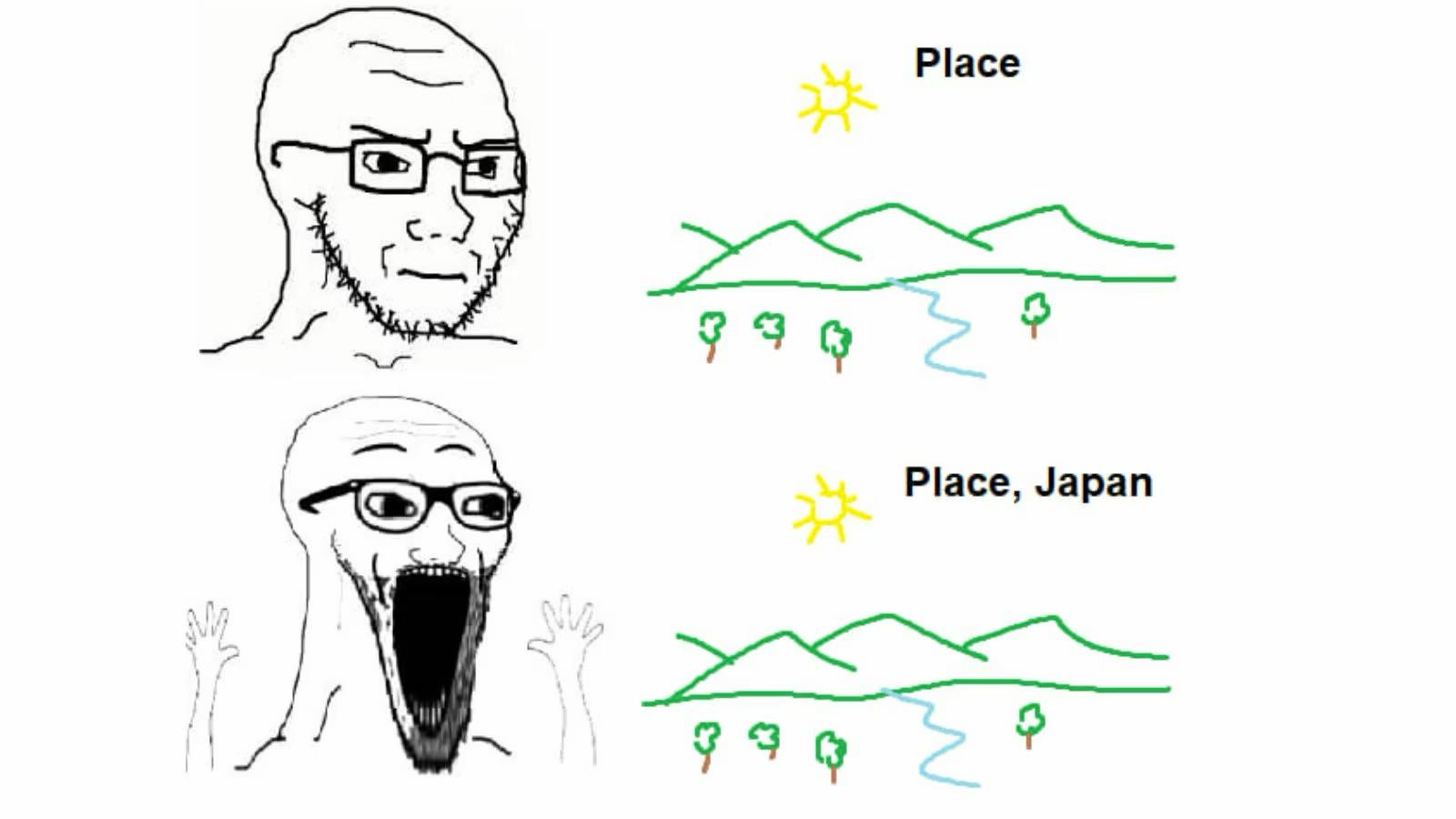
The West has had fantasies about Japan for a long time. Even Marco Polo, after hearing the Chinese talk about Cipango (a mispronunciation of 日本國), wrote in his diaries that beyond China, there was an island with palaces of gold. Actually, there is one.
The linguistic change from Cipango to Japan evolved alongside a wide range of Japanese products. Japanese products sell because there is a huge symbolic capital in any product marketed as such. I mean, you can sell weeds you find by the roadside with a Buddha statuette, and someone will buy them. Talking about wabi-sabi (without the karoshi or the cultural capital needed to develop the aesthetic sensitivity that produces it) is simply talking about a chipped wall in an industrial-style loft. Talking about zen decor for a minimalist melamine apartment is aestheticizing not making ends meet.
Like Barthes and all the Japanese, I too will borrow from Japan in this text, and perhaps I will show you how to do it.
The idea is not that wabi-sabi or zen should remain within the borders of the country that created them. But there is a difference between resonating with an idea and merely touching on it to make LinkedIn posts about productivity.
The Japanese themselves are fully aware of the symbolic power of their own nation. The Ministry of Education, Culture, Sports, Science and Technology (MEXT) reviewed the Cool Japan strategy with the explicit goal of quadrupling the cultural market abroad to 130 billion dollars by 2033, combining anime, manga, video games, fashion, cosmetics, and tourism. So it’s no coincidence that when you kick a tile, three poorly made sushi restaurants pop up that still manage to sell a ton.
To understand how this game works, I find it entertaining to break it down into its fundamental pieces. I discovered that there are four axes that can be combined to form almost all common tropes of Asian cultural products in the West. They function in an interconnected manner and can be traced over time. These axes are: The Yellow Peril, The Unfathomable, The Fetish, and The Circus.
All ethnic groups have versions of these four axes, but few, like Japan, allow such outrageous combinations without losing coherence. Moreover, few have an industry that consciously produces them, and even fewer are far enough away for someone to correct them.
The exercise is simple. Take any fictional character or any cultural product from East Asia, and you can find a way to combine these categories to define it. It’s worth noting that, to put it bluntly, China, Japan, and Korea are interchangeable in popular imagination. With the existence of the "all Asians are the same" stereotype, several stereotypes overlap.
Includes everything that associates Japan with the ability to harm you. Its most evident premise is the stereotype that "all Asians know martial arts", but in its Japanese version, it adds the Japanese aesthetic of precision. Typical examples are the samurai, the ninja, or the karateka.
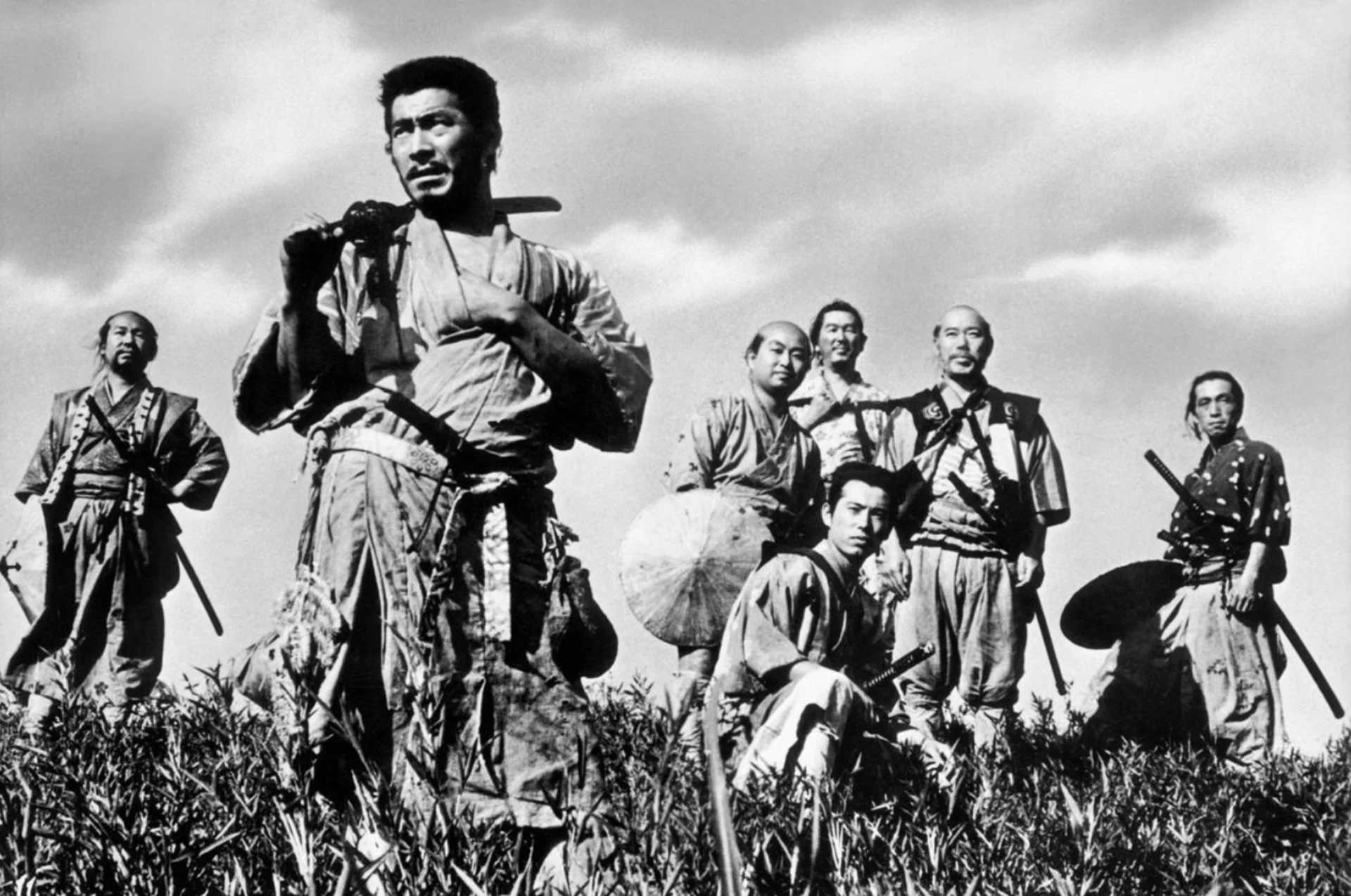
Its most evident origin is the European and American fear of Asian expansion in the early 20th century. It produced cold and calculating movie villains, ninjas in action films, or the figure of the karateka who can kill you with two fingers.
This explains why the Japanese character in any Western action movie almost always knows martial arts or, conversely, won’t know them to defy expectations. In Karate Kid 2, absolutely every single Japanese man who appears in the film knows karate.
The yakuza, distinguishable from the Italian mafioso or the Russian gangster, is also a version of this axis. Part of the stereotype is defined by the discipline of the body, which then grants control. The result of this approach is what has been used to romanticize the yakuza as a sophisticated villain who, despite being cruel, also follows hierarchies and rules.
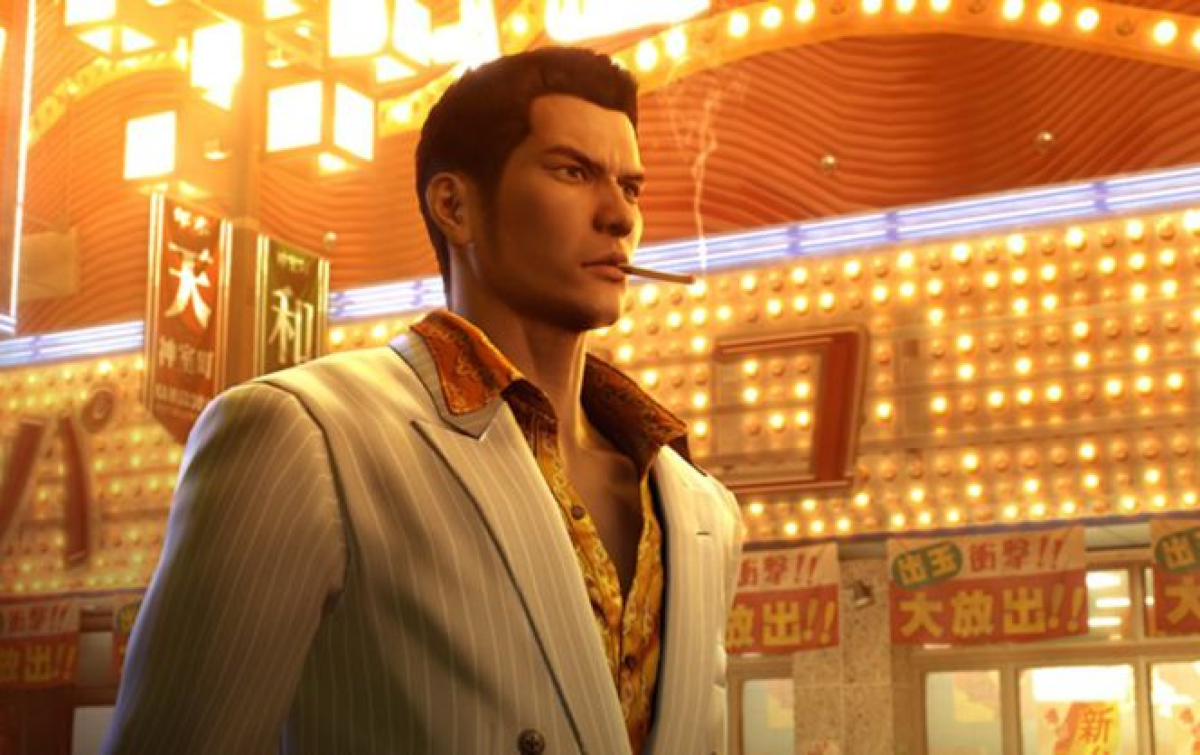
Interestingly, in the case of Argentina, the influence of this axis was almost entirely a product of cinema. When the United States pressured Latin American countries to intern and deport their Japanese citizens during World War II, Brazil, Uruguay, and Paraguay complied. Argentina refused. The Japanese here were never the public enemy, and their association with the mafia or martial arts is vicarious through films.
The most emblematic representatives of this axis are Jackie Chan, Bruce Lee, and for Japan, Toshiro Mifune.
It encompasses everything that associates Japan with intelligence, wisdom, and that particular form of magical knowledge that blends the technical with the ancestral. The Japanese are simultaneously the ones who design the most advanced robot in the world and those who know how to heal a fracture with ki.
This produces two variants that, in a way, coexist. The first is the techie Japanese engineer inventor. A nerd with glasses who appears in a gag from Family Guy. The second is the bearded master, a monk who diagnoses illnesses by the way you walk. That old man of a thousand years who transformed his practical knowledge into ancestral wisdom. So knowing aikido helps him understand the best fertilizer for the bonsai.
This is the axis that generates the most symbolic capital in the contemporary market because it best adapts to wellness and all the new age movements. Marie Kondo, kaizen, the corporate Ikigai method traffic in a mandate of productivity but as if it were ancient wisdom. There is a deliberate use of Japanese aesthetics as a guarantee seal to reinterpret methods, decontextualize them, and use them for whatever one desires.
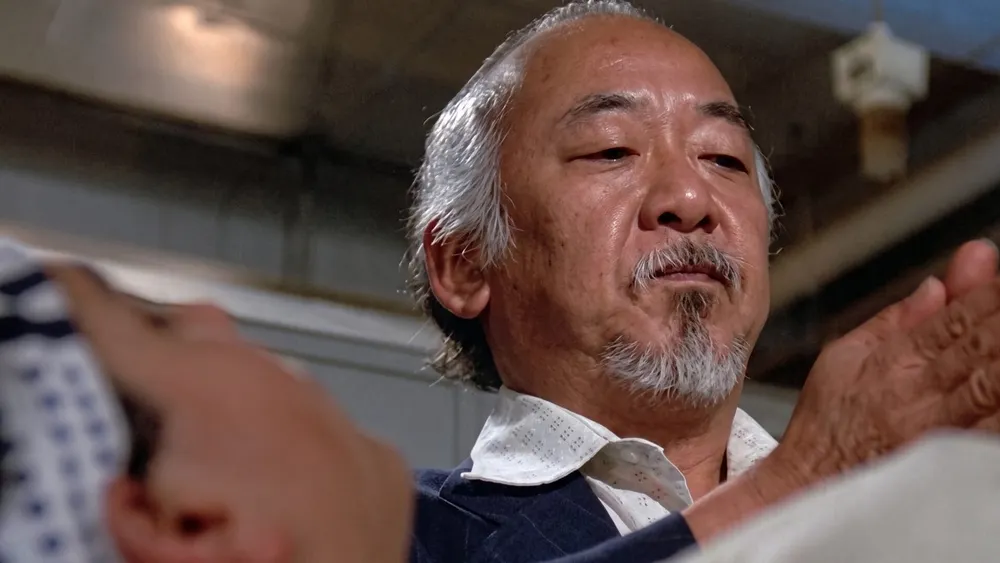
Great examples of the Unfathomable are Mr. Miyagi and Grant Imahara from MythBusters.
This is a very old category and the one that has transformed the most. In its original version, it is the sexualization of the Japanese woman. Madame Chrysanthemum, the geisha, the figure of Madame Butterfly, the tradition that goes from Pierre Loti to the most searched terms on pornographic sites. The imagery created around the Japanese woman as an exotic object of desire who is fragile and obedient.
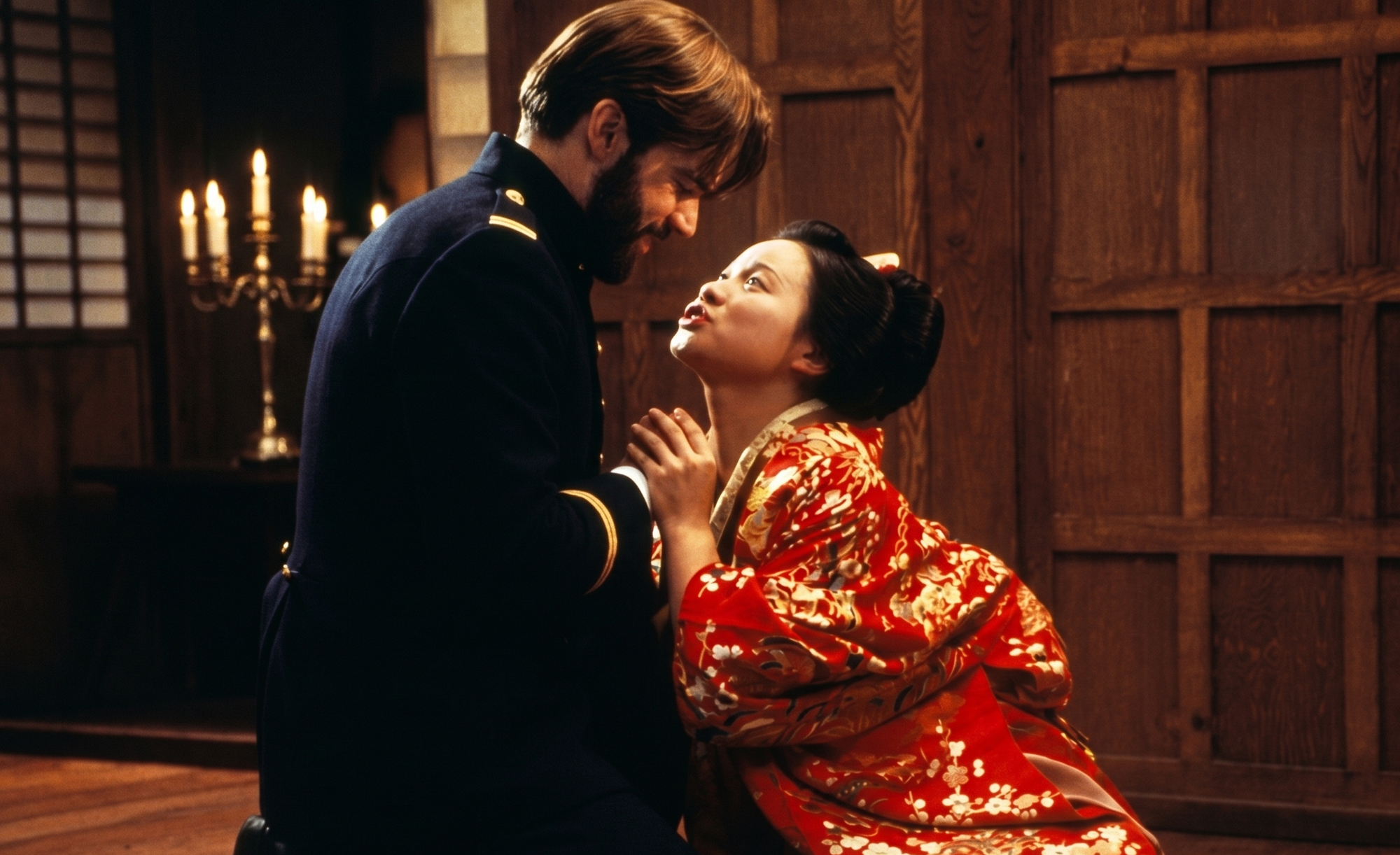
The contemporary fetish is broader than sexualization. It is the appropriation of cultural elements separated from their context and the people who produced them. The excessive romanticization of a non-existent Japan through anime, the café in Palermo with Japanese characters, city pop music, and a matcha menu with a fish flavor. The fetish is consuming the signs of Japan without thinking of Japan as a real country. Sometimes, in fact, preferring it that way.
The fetish is consuming the signs of Japan without thinking of Japan as a real country. Sometimes, in fact, preferring it that way.
The label "Japanese" functions as a guarantee of depth rather than a description of origin. That someone buys an iyashikei book because it has a Japanese cat on the cover hoping that it will resolve some existential issue is different from someone who reads Kawakami or Ogawa because they are interested in what those writers do with language.
I suppose the difference lies not in the object but in the relationship with the object.
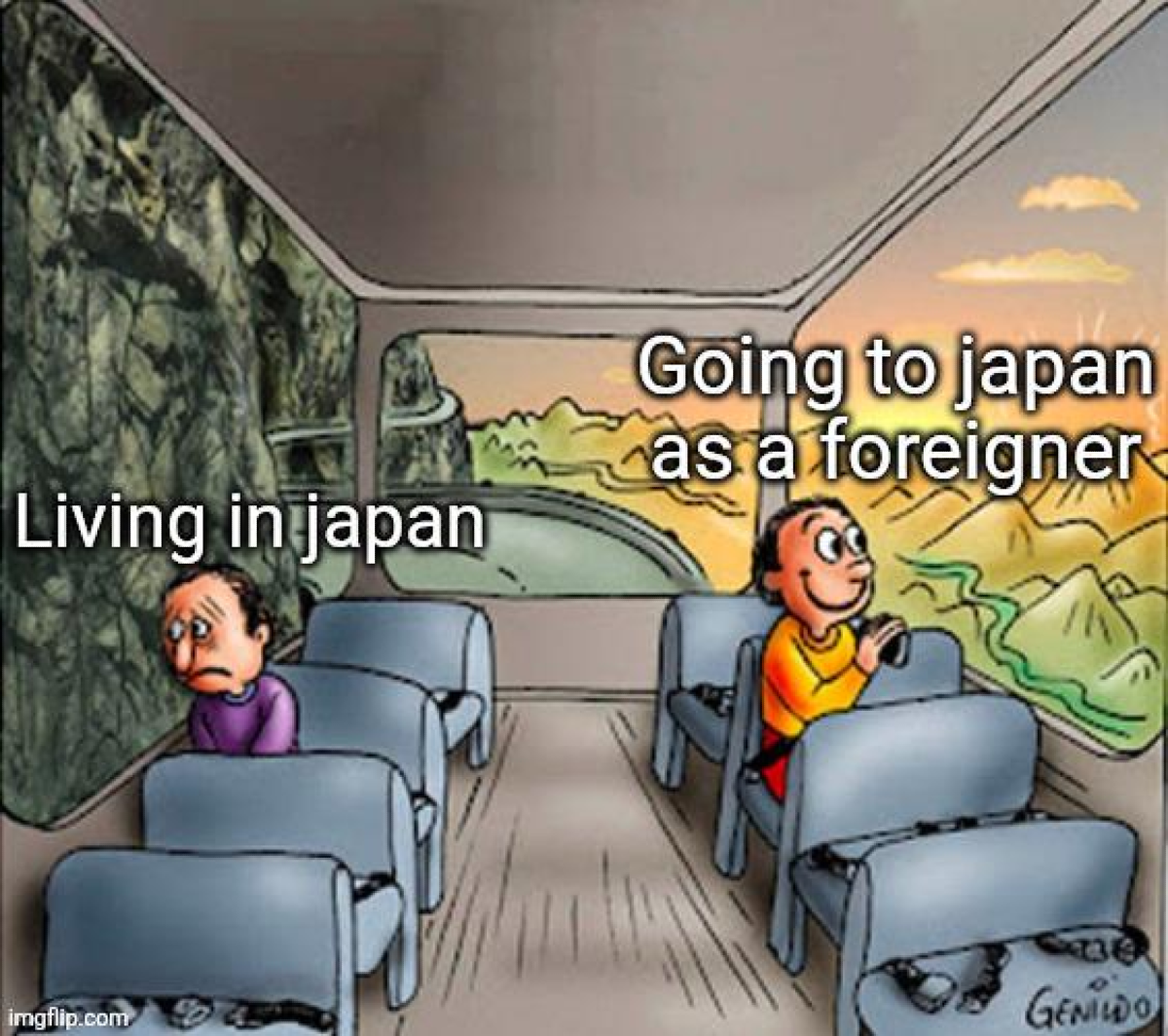
This is the least obvious category and probably the most important because, in a way, it legitimizes all the others. The Circus is the other direction in terms of the relationship with the object. It is the way of consuming without integrating, distancing oneself through entertainment and the circus imagery of the Asian. One might wonder why we see posts about "11 Japanese techniques to improve performance," but when in the same country there is a suicide forest, it seems like just a curiosity and nothing more. "Here’s my list of 9 Japanese tricks to commit suicide without bothering the neighbors."
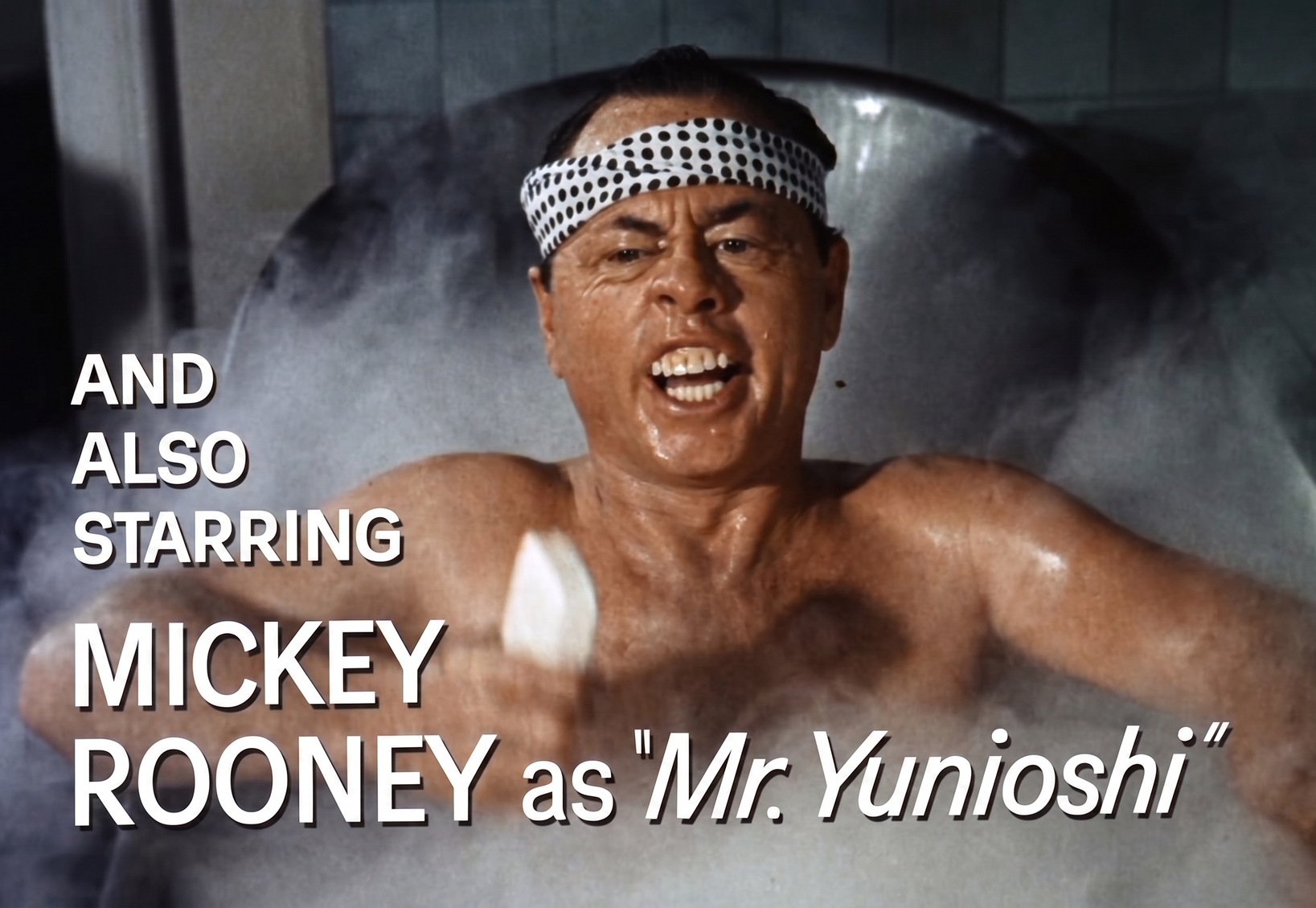
Only in Japan, the absurd game shows as cultural representation, vending machines for used underwear, maid cafes, television commercials that make no sense, the suicide forest, and all the quirky things in general are simply part of the country’s garden of oddities.
This supports the other axes because they need Japan to be fundamentally "the other." Here we should talk a bit about the morbid curiosity: because if Japan were just another country, the Fetish would have no object to appropriate, the Unfathomable would have no mystery to reveal, and the Yellow Peril would not be a threat to fear. A shout-out to Edward Said.
Among the great codifiers of this stereotype, we have the landscape designed in Blade Runner. The techno-orientalist future of an Asian aesthetic without Asians, where everything is a sign and there is no subject.
Now that we’ve seen the categories, we can see their combination. The game allows us to mix different intensities of each axis to form a character.
If we wanted to create a sophisticated villain, we would have to use the Yellow Peril. If we wanted to make her more attractive, we would need to add the allure of the fetish to turn her into a femme fatale. The Dragon Lady is the new hot boss of the yakuza, much crueler than her predecessor. Much more skilled too. And wearing a kimono.
Now we’ll take a typical nerdy Japanese character, but with the comedic circus twist that he’s a funny otaku with a salaryman look. Secretly, he was an expert with the katana and develops superpowers. We make a pun with his Japanese name and get Hiro Nakamura.
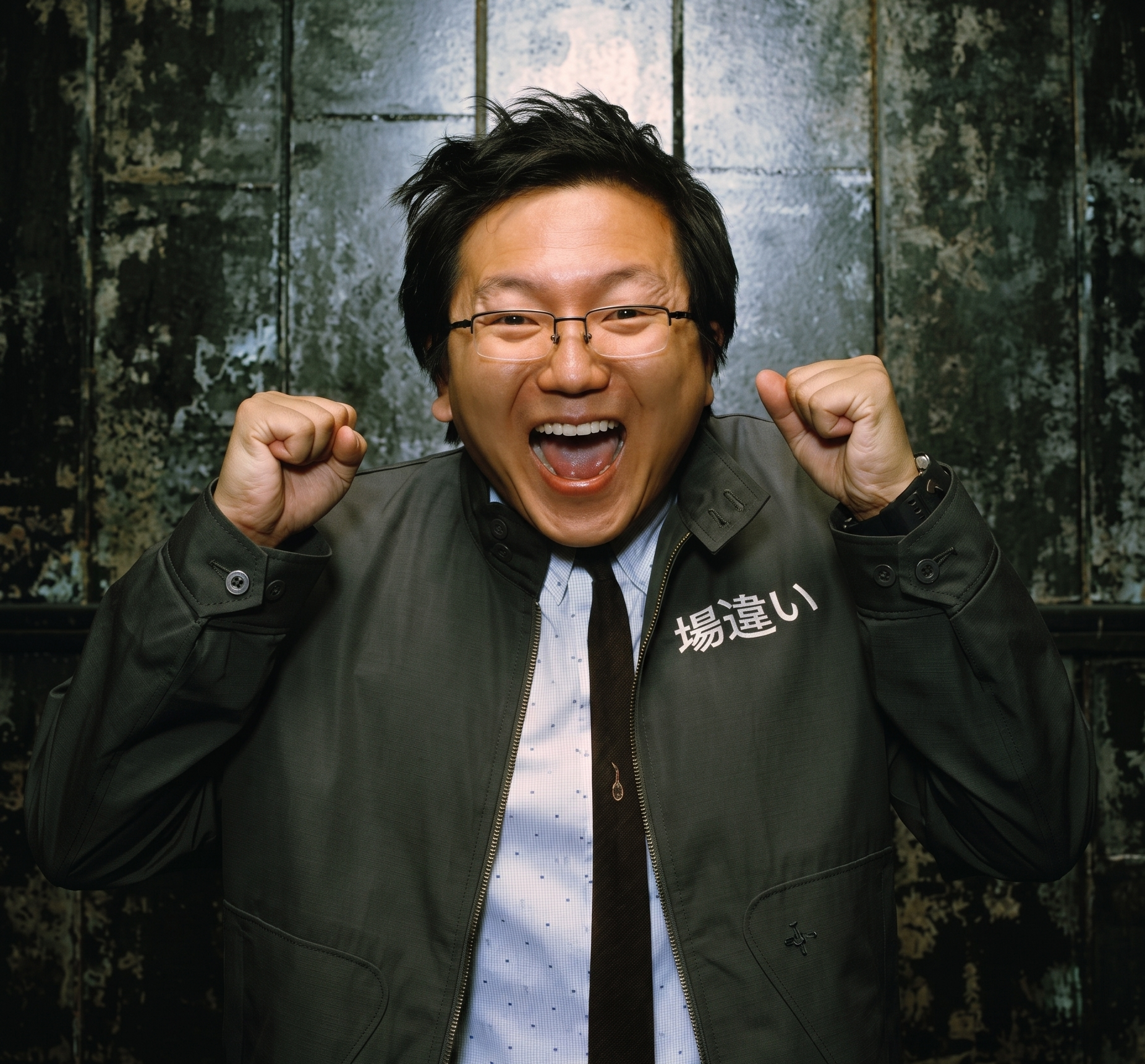
The fusion always plays based on the needs of what we want to sell. The fetish adds a layer that hedonizes consumption, while the circus gives it viral appeal. If we want to introduce a bit of transgression, the yellow danger makes it suitable for consumption. On the other hand, if we want to give it an air of depth, it must become inscrutable.
Japanese identity was largely historically defined by its contrast with China. The nihonjinron was the literature that highlighted the characteristics of Japan that distinguished it from, for example, Chinese courtly academicism.
During the Meiji Restoration, the country opened its doors after having kept them closed for centuries. Suddenly, it found itself needing to compete, collaborate, and measure up against Western powers overnight.
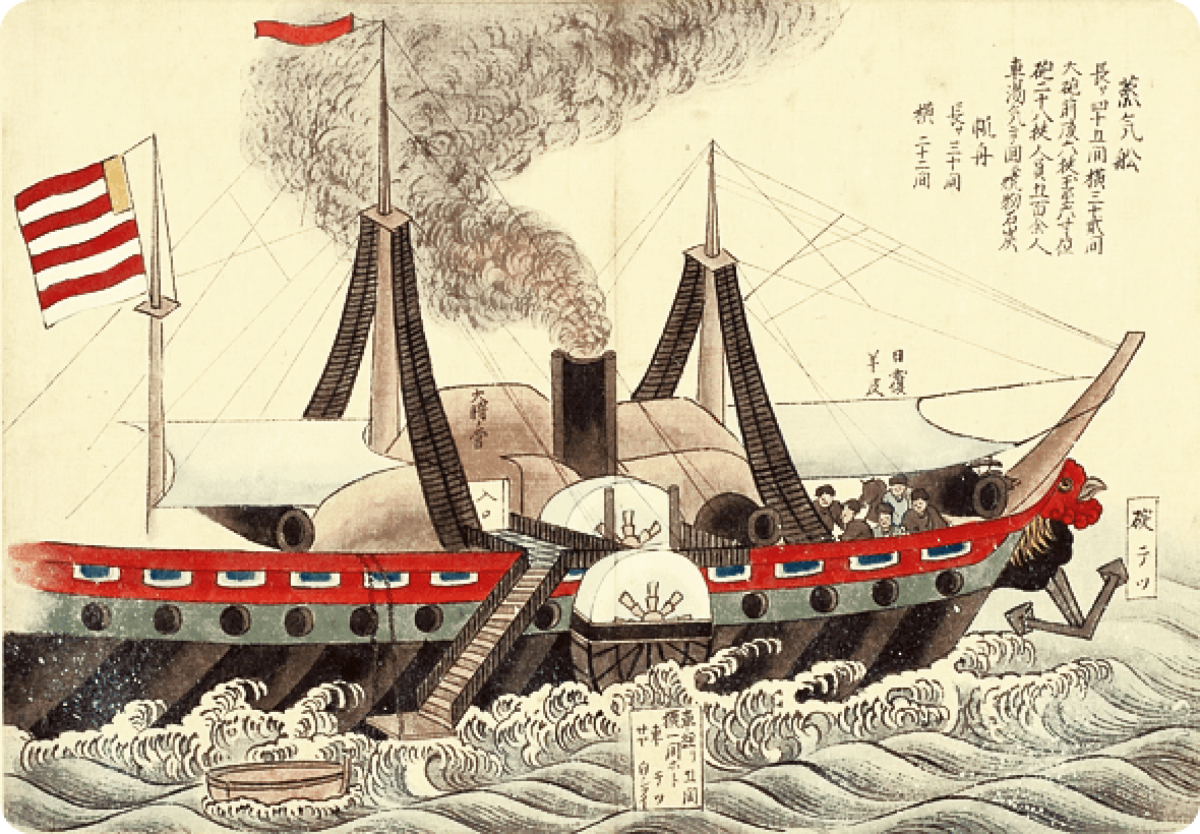
Just as happened in Argentina with the Generation of '80 or the Centennial generation, Japan urgently needed to produce a narrative of its own essence. This led to a series of ideas that aimed, with the precedent of having done something similar with the Chinese, to distinguish itself from the West by defining its national identity to create its own competitive legacy.
After the post-war period, the same movement continued, this time entering the international market with the intention of rebuilding. The Japanese government has been exporting versions of itself designed for global consumption for decades. The Cool Japan policy turned popular culture into a state instrument. Anime, manga, and video games became tools of soft power.
One might wonder why we see posts about "11 Japanese techniques to improve performance," but when in the same country there is a forest of suicides, it seems merely a curiosity and nothing more.
This creates a feedback loop. The West consumes an idea of Japan™ that was already an exaggerated Japanese version for Western consumption. As a result, the West voraciously consumes that Japan™, and Japan continues to produce more Japan™ to satisfy that demand.
Generally, in the collective imagination, when Buddha is mentioned, a chubby smiling figure comes to mind. It's one of the best-selling figurines in the world, alongside garden gnomes. We’ve all seen it on some shelf.
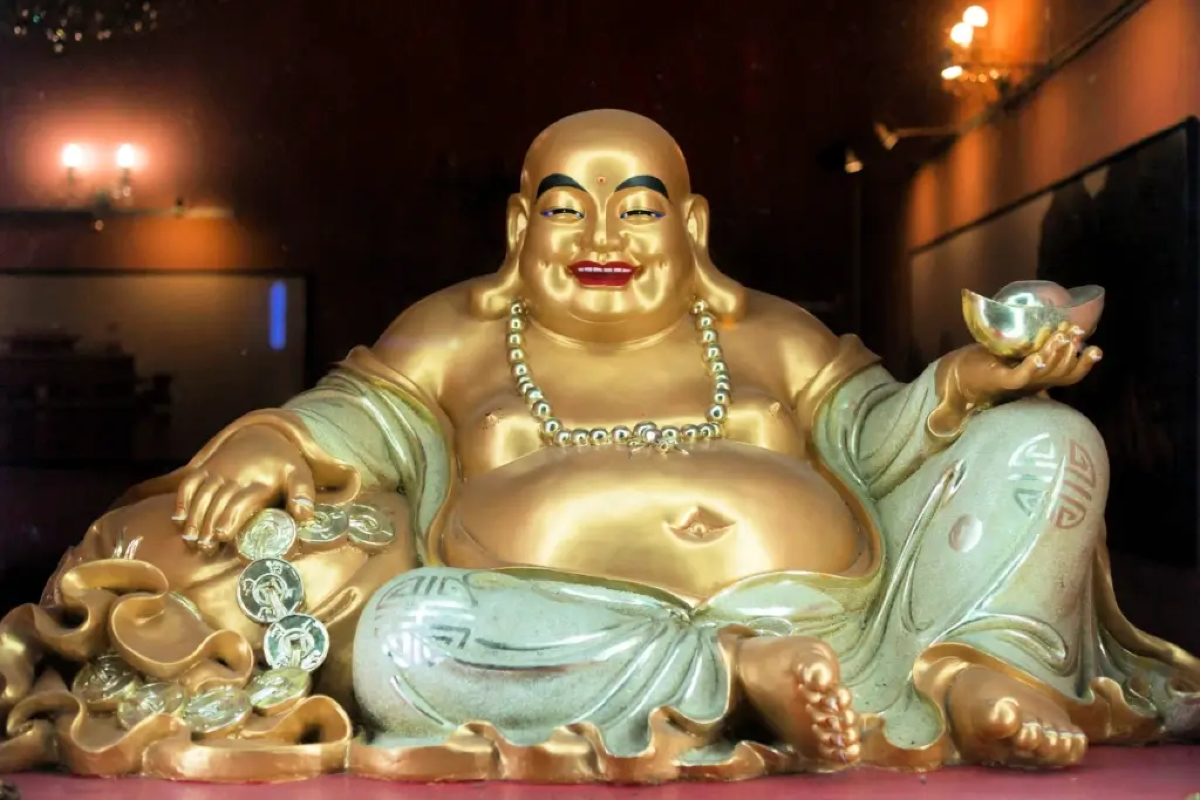
Perhaps due to distance, or perhaps because of the homophonies of foreign languages, we have constructed a serious misunderstanding throughout history. This happy chubby figure is not Siddhartha. In reality, his name is Hotei or Budai. He was a legendary monk from the 10th century who, due to his cheerful nature, is known as the smiling Buddha, or as one of the deities of luck. Probably, due to the similarity in their names, he is confused with Siddhartha Gautama, the founder of Buddhism, who is likely being referred to.
This confusion turned out to be tremendously profitable since a happy chubby figure sells much better than the definition of Maitreya Buddha. Being a miniature version of the model we've been discussing, we can see that the constitutive elements of our representations occupy a much more significant place in the way we relate to facts that may contradict what we conceive.
I don't think we'll stop profiting from Japan. The business is just too good. Selling will continue, perhaps once as Cipango, now as Japan™.
Y a cada colaborador se le paga por su trabajo. Las dos cosas dependen de los suscriptores.