The History of the Demoscene: Hackers and Digital Art
From piracy to digital art: the origins of the demoscene and Flashparty, Argentina's festival of hackers and digital creators.

If we think about electronic and digital arts, we'll most likely associate them with practices from the late nineties or early 2000s. But the truth is that way underneath all that, there's a scene that was born in the mid-eighties, fueled by 8- and 16-bit home computers and the first software crackers.
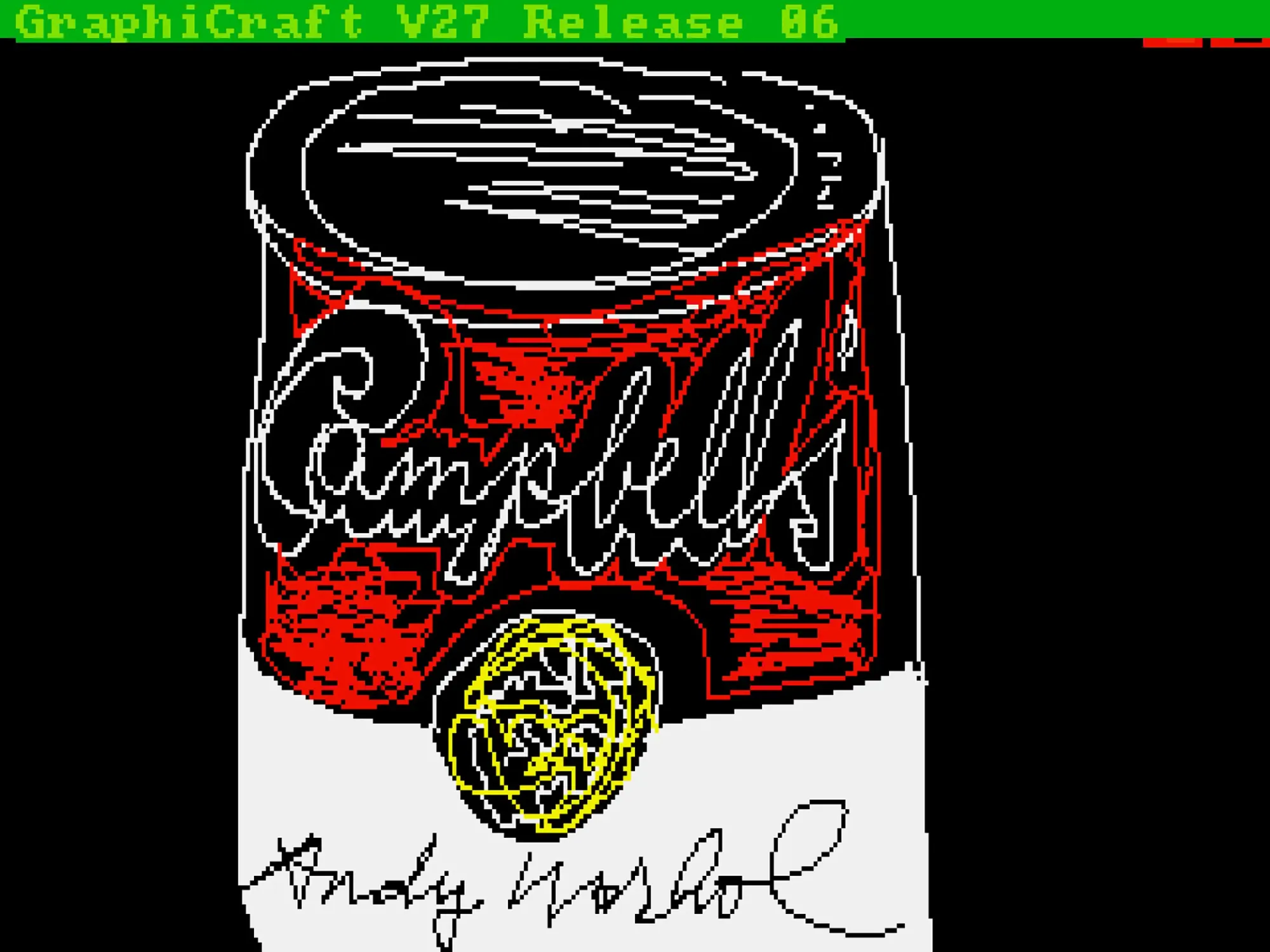
On July 23, 1985, at Lincoln Center in New York, the Commodore Amiga was unveiled: a 16-bit home computer that came out of the mind of Jay Miner, a former Atari employee. That story deserves a chapter of its own given the sheer scale of the project and the machine's importance in the history of home computing, sadly overshadowed by having been buried by the PC. But what interests us here happened precisely at that launch. The Amiga was the first truly multimedia personal computer, and that's how it was shown off that day. That very peculiar event featured two star guests from the pop culture of the moment: Andy Warhol and Debbie Harry.
Jay Miner invites them on stage and explains that they'll take a live digital photo of the singer, capture it with the computer, and Warhol will use that capture as the basis for an edit using the Amiga's flagship drawing software, Deluxe Paint. Amid awkward jokes and laughter that sounds canned, the visual artist splashes a few buckets of paint onto the portrait, creating his first digital artwork. Warhol would become an ambassador for the computer and create quite a few digital works that sat lost on some floppy disks until they were recovered two years ago.
There's a scene that was born in the mid-eighties, fueled by 8- and 16-bit home computers and the first software crackers.
The launch of the Commodore Amiga—a 16-bit computer with stereo sound, a 4,096-color palette capable of displaying 64 on screen (or all of them, with some programming tricks and hacks), a 7 MHz processor, resolution up to 640x256 pixels and, on top of that, a built-in 3½" floppy drive—was a turning point in the history of art and computing. Its arrival jolted awake a community of hackers, crackers and future code artists who created a movement that still exists to this day: the demoscene.
In the beginning were the pirates
The principle of technical reproducibility that Benjamin laid out in 1936 took shape at a time when the idea of a computer existed only in the minds of a few visionaries. The concept of digital art existed even less. But it's true that we can draw some kind of parallel between that iconic text and the rise of popular digital art, which emerged precisely at the hands of crackers and hackers. When software started being distributed commercially—first on cassettes and then on 5¼" floppies in the ecosystem of the so-called homecomputers, the first 8-bit computers—publishers, studios and early solo-devs alike wanted their work to be impossible to copy, period. The whole business was built on selling copies which, while not unique, couldn't be duplicated without authorization.
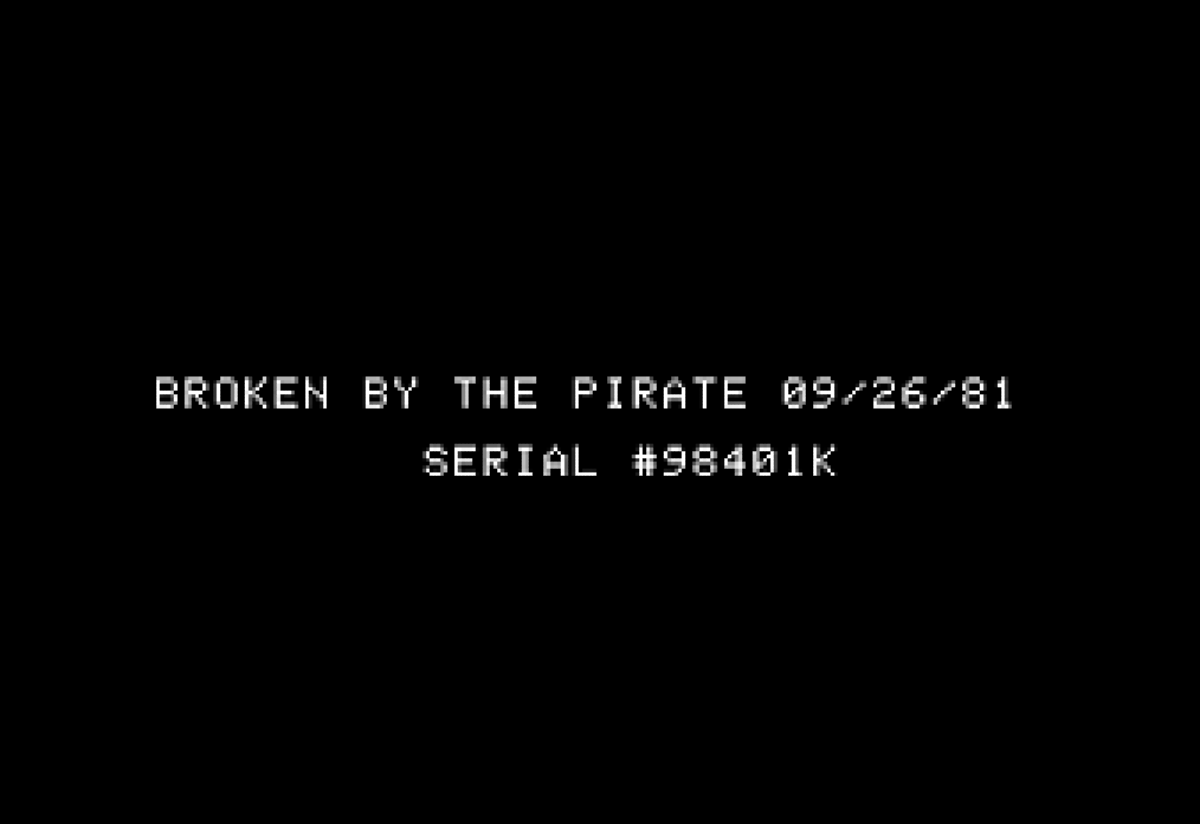
With the release of the ZX Spectrum in 1982 and the Commodore 64 in 1983, Europe was flooded with home computers and, therefore, with software, mostly video games that circulated on both cassettes and 5¼" floppies. The protection systems meant to prevent illegal copies were quickly broken by the budding cracker scene, who repackaged the game and distributed it over the nascent data networks like BBSes or services such as CompuServe and the like, which offered plain-text boards where you could download files, all through a modem and a phone line. But the skilled pirate who pulled off this feat wasn't satisfied with just breaking a protection system: he wanted to leave a mark, a fingerprint, a graffiti tag that said I'm the baddest badass around and the rest of you are a bunch of chumps. In that repackaging and distribution, whether over those data networks or by selling pirated physical copies again, those messages were included as a signature so everyone would know who the skilled pirate that cracked the protection was.
The oldest record of this comes from the Apple II, with the game Crush, Crumble and Chomp (1981), whose crack came out that same year under the oh-so-original name of The Pirate, a cracker who pirated tons of games from the era. This technical prowess would keep evolving, and we'd go from simple text to images and groups like the Berlin Cracking Service, to whom we owe the crack of Paint Magic for the C64, released in 1984, which would be the first "documented" image included in a software crack. The image in question shows a sort of "bear"—looking more like Godzilla—an iconic animal of Germany. The final step came with the addition of text scrollers carrying messages mostly between groups, plus music, all of it inside the "intro" of the cracked software, giving birth to what became known as cracktros.
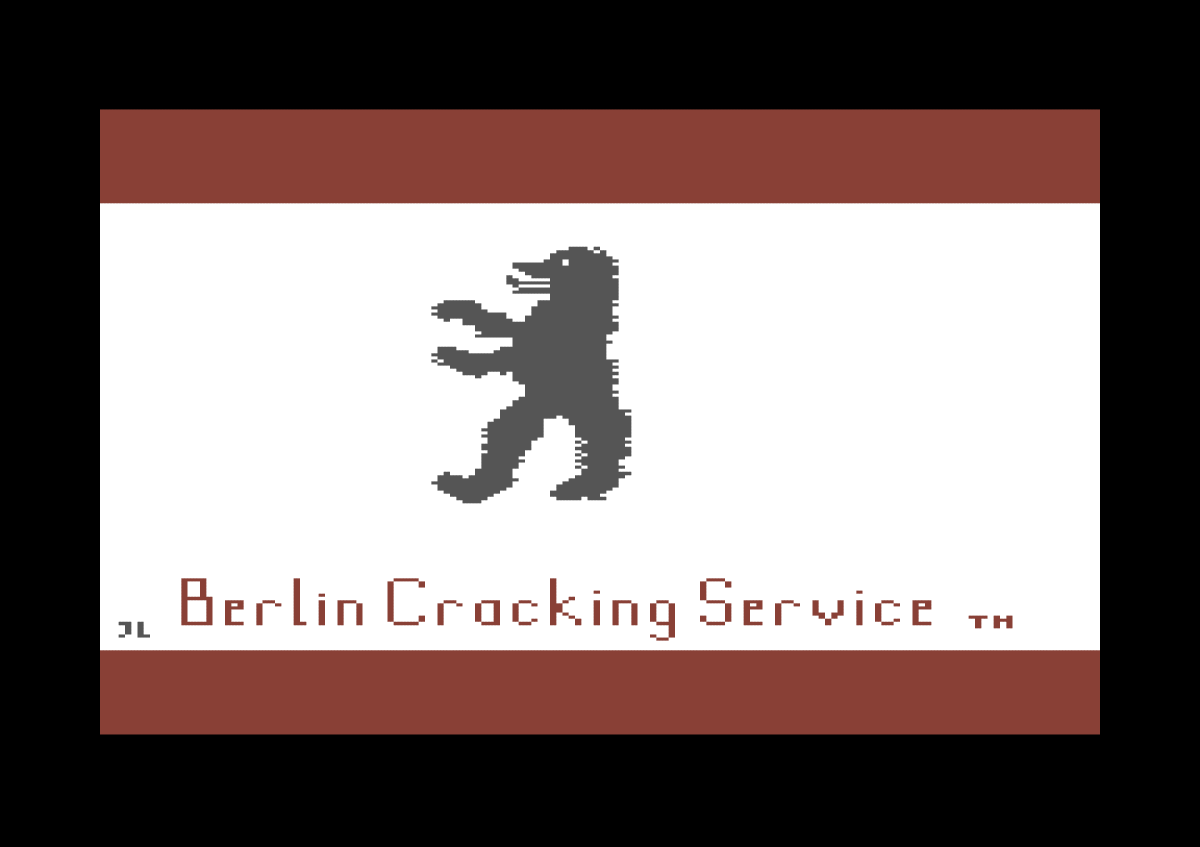
From this point on the story gets a bit more complicated, because the idea of adding text, music and images ends up outgrowing cracking and splits off into something else. The demo, or technical demonstration, appears as a work that runs on the computer and displays graphics, animations or sounds processed in real time and programmed in the computer's language. It was precisely the release of the Commodore Amiga in 1985 that finally catapulted this budding scene into a subculture that laid the foundations of digital art and code art, hand in hand with the first connections to data networks and floppy disks.
Copyparties, demos and demoparties
The floppy disk was to the computer what the printing press was to paper: a tool for distributing and copying information wholesale. Although floppy technology had existed since 1971 in its 8-inch format, it was with the 3½" disk that it would reach its moment of glory. The Commodore Amiga 1000, released in 1985, came with a built-in 3½" drive, which helped create a huge software market, mostly video games, where major franchises and titles came out on that platform first.
Thanks to the cracker movement and how easy it was to copy software with applications like Fastcopy, gatherings known as Copyparties sprang up in many countries across central and northern Europe. People met there to copy and share games and software as well as show off cracktros. There's no reliable record of the first production that came out of the world of game copying and cracks to become an independent production—a demo—but it happened in the heat of these get-togethers, along with the Amiga's rising popularity.
One of the undisputed milestones came during one of these Dutch copyparties, the 1987 Venlo Meeting, where the Danish duo made up of Sodan and Magician 42 presented the first Mega Demo, TechTech, for the Amiga, which for 11 minutes shows us images, text scrollers, visual effects and, of course, music.
By the late eighties many copyparties ended up transforming or merging into what we now know as demoparties: true festivals and gatherings of hackers, artists, enthusiasts and the plain curious about computing, art and music. Long before the concept of "multimedia art" and completely removed from the academic circles that would shape and analyze these practices, especially in the late nineties, the demoscene was founded by the first pirates, who later became true pioneers of what we'd now call digital art. At demoparties, groups and individuals got together over a weekend to show their work, create it live and compete against each other, out in the open, no judges, only the audience vote, to see who could make the most spectacular piece in various categories, whether intros, graphics, music or demos.
The demoscene was founded by the first pirates, who later became true pioneers of what we'd now call digital art.
This scene, born on 8- and 16-bit computers, didn't die over the years; instead it grew and expanded beyond those machines. It was no longer about coding on a Commodore 64 or an Amiga, but about using some modern IDE while making sure the work could run on real hardware—that is, still bound by that hardware's limitations. That's exactly where the charm and the skill of the people making these works lay: squeezing every last possible byte, making the most of the color, RAM and processing limits, learning each processor's particular tricks, and so on. Over time demo categories kept expanding, and today many parties accept works in pixel art, PC demos capped at 1KB or even 256 bytes—way less than an empty email.
Flashparty, the queen of South American demoparties
It's not that hard to be the reigning champ of parties in Latin America, since the only one held since 1998, Flashparty, takes place in Argentina. The core of this scene is, as we mentioned, in Europe, mainly Germany, the Netherlands and the Nordic countries, though it's also spread across Eastern Europe and Russia; in fact, the European Union classified demoparties as part of the continent's Cultural Heritage. But when it comes to South America, even though there's a huge community around hacking and digital art, Flashparty is the only direct reference point within this wonderful scene.
In our country, home computers went mainstream in the mid-eighties, with brands like Drean launching the Commodore Drean 64, the brand's "only" official license. But alongside it there were machines like the Talent MSX or the CZ Spectrum, among others. Just like in Europe, there was a small cracker scene here that built a well-oiled circuit between software distributors, computer shops and hackers scattered all over Buenos Aires and its suburbs, plus hubs in Córdoba and Rosario.
Anyone who owned a microcomputer back then surely came across games and software supposedly cracked in the country—and I put it that way because the scene still lacks in-depth research. What did exist was a brutal rivalry between these groups or lone crackers, just like in Europe. There are lots of records, and I've heard plenty of buzz from various sources about whether so-and-so had actually cracked such-and-such software or had just grabbed an original European crack and slapped their name on it... Which doesn't take anything away from its pirate nature—if anything, it amplifies it.
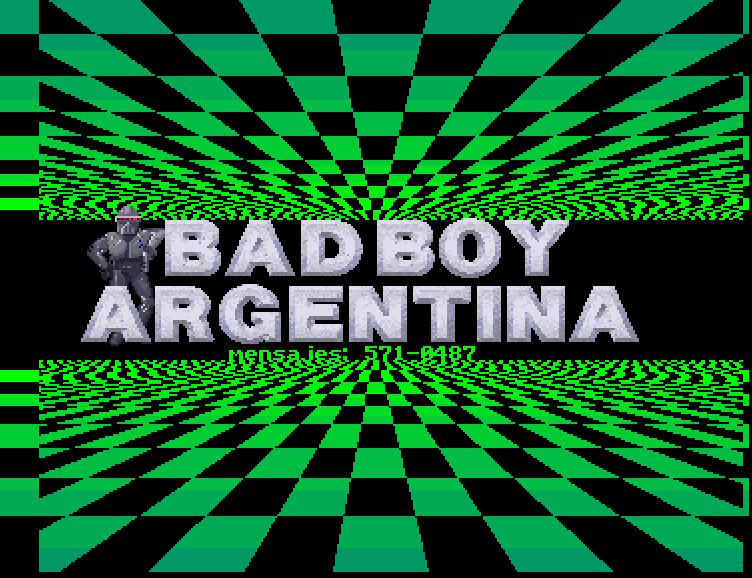
In the mid-nineties, while the first Internet connections were arriving around the world and BBS systems were fading out, in Argentina those spaces still enjoyed some popularity and were the digital distribution hub for cracks, ASCII or ANSI graphics and, of course, demos. Within those niches various personalities and groups emerged, with PVM, Pungas de Villa Martelli, being the crew par excellence of the local demoscene. So much so that by 1998 there was a scene solid enough to put together the first edition of Flashparty in a warehouse in Villa Crespo, Buenos Aires. As its organizers recall, that first competition had Internet access—dial-up, of course—but swiped from some neighbor in a downtown apartment building. In these scenes an Internet connection is crucial, because participation isn't limited to showing up in person. The following year they moved to the CCGSM in a full-weekend format, where participants brought their own computers, setting up proper old-school LAN parties.
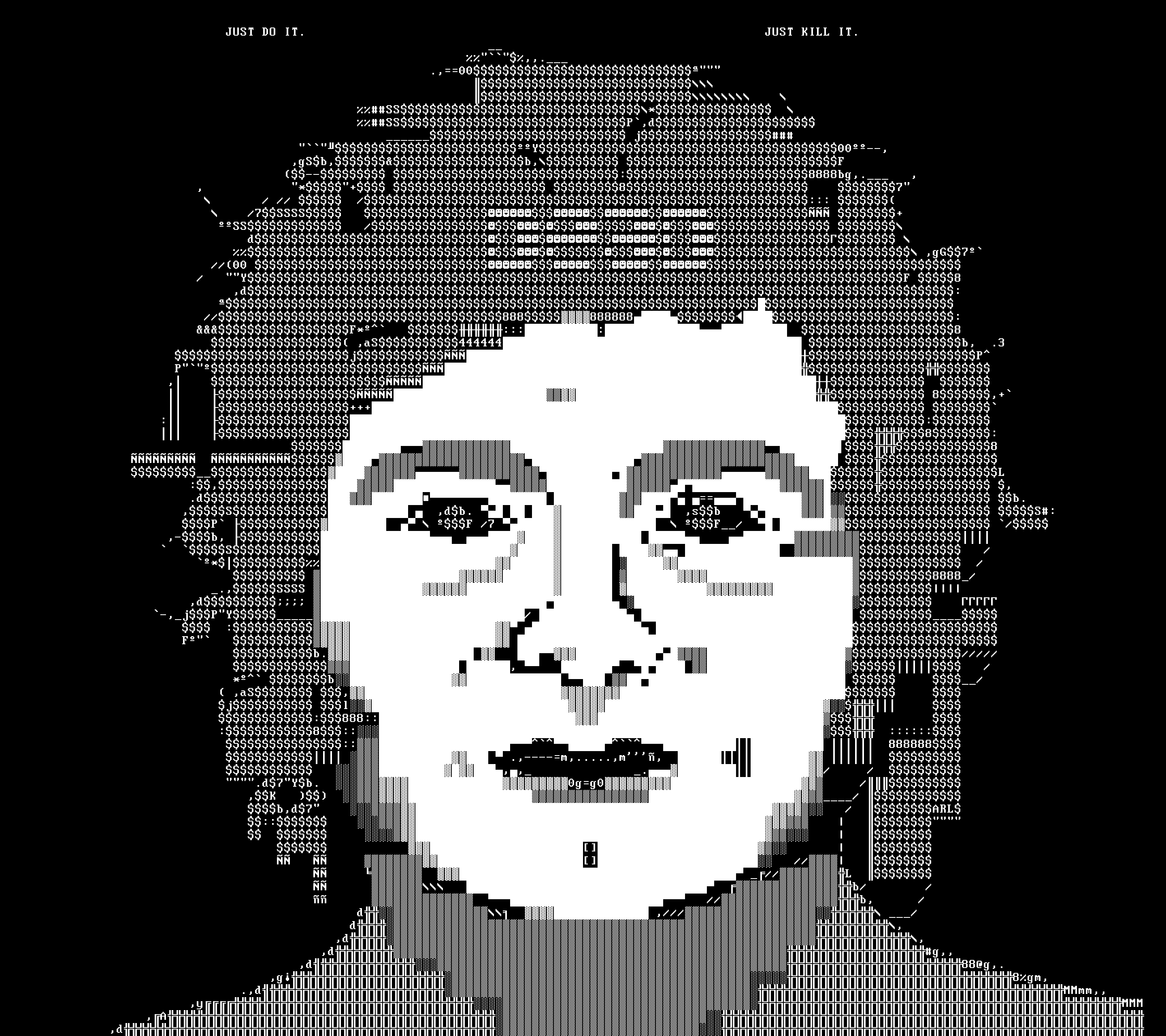
To this day the party is still held every year, and on October 31 a new edition will take place in Buenos Aires, at a venue yet to be announced. There's a huge number of categories to enter, since many demoparties, looking to broaden their reach, open their doors to pixel art, photography, mp3 music, graphics of any kind or video games. Locally, the most popular categories are text-art, that is, works made with the text characters of different computers, whether the ASCII or ANSI of PCs, the Commodore 64's PETSCII or teletext. Personally, I always look forward to the old-school demo category, and specifically to the demo from the PVM crew, always packed with highly political messages and local references all over the place—with "Libertongo" for the C64, presented last year, maybe being my favorite demo of theirs.
The scene might look small next to the rest of the digital art world, but unlike that world, which tends to be more established and recognized, the demoscene presents itself as an artistic battlefield. There, you do a lot with very little, the drive to create something and pull it off is the biggest motivator, and the need to show it off at in-person events is what really powers the scene.
So now you know, you little cyberspace larva: if you like watching every last byte get squeezed out of an eighties computer, or seeing a 1KB program pull off some insane 3D shaders, or you just want to listen to some good mp3s or check out a gorgeous gallery of text art, save the date for October 31. And if you're not in Buenos Aires, no worries, because Flashparty streams to the whole world.
Las notas de 421 no tienen paywall
Y a cada colaborador se le paga por su trabajo. Las dos cosas dependen de los suscriptores.