Waifus: War and Desire
Waifus: War and Desire
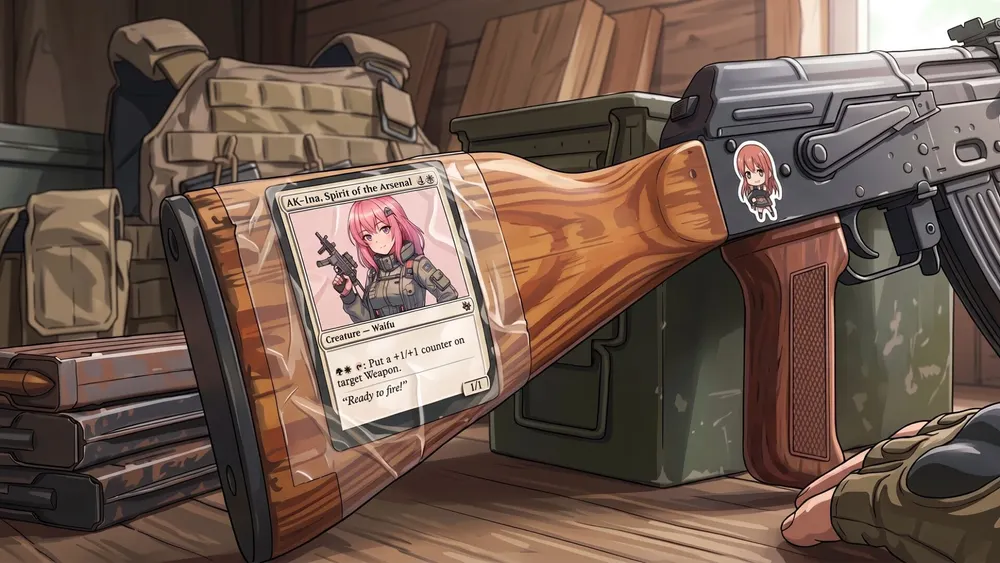
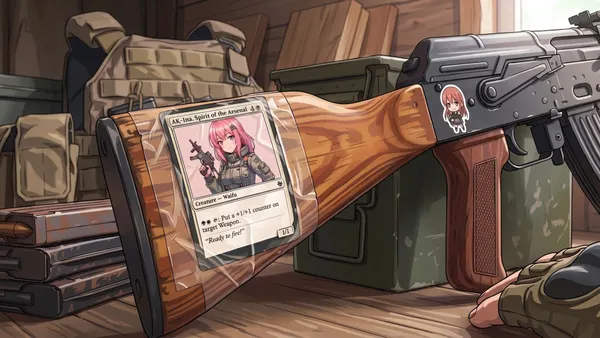
In war, the high command never goes first. The bodies of young men who have yet to weave their dreams fall in distant battlefields. In the trenches, they invoke all kinds of deities to accompany and bless their feats, and above all, they cherish images of sweet curvy figures opening their arms, promising a return home. They first transformed through love letters, then in photos tucked away in wallets and lockets, and now they are waifu stickers plastered on rifles.
What is a waifu? Is it really important to talk about waifus in wartime contexts? For me, yes. I'm here to tell you stories of war, weapons, love (a bit of porn), and waifus.
“Mr. Robinson, heaven holds a place for those who pray”
The year is 1994. In North Salt Lake, Utah, a weapons company called Robinson Armament Co. is born. Its founder, Alex J. Robinson, is a practicing Mormon and an active opponent of federal regulations on firearm ownership. A month after the September 11 attacks, Robinson and other industry members receive an invitation from the 5th Special Forces Group of the United States Army (a group focused on deploying and executing “doctrinal missions,” such as counter-terrorism and information operations) to participate in the SCAR program. The goal of this program is to design a special-purpose rifle variant: a category of semi-automatic tactical rifles designed to offer greater precision and range than a standard one, but without being as bulky as a traditional sniper rifle. They want to renew the famous M16 that has been in use since 1963, but with a special requirement: it must be able to use enemy ammunition.
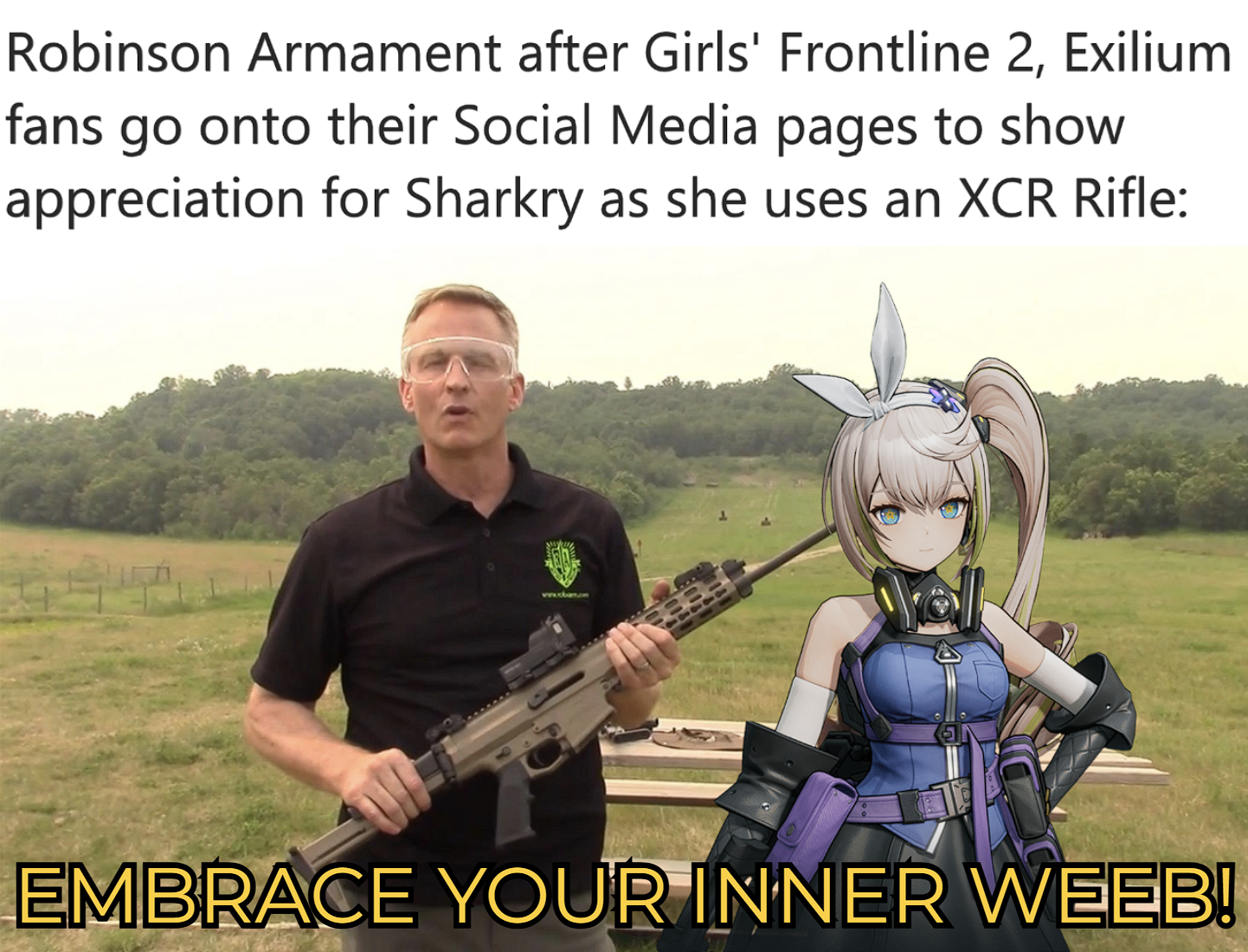
Robinson submits an automatic variant of his Robinson M96 for consideration. The design is approved by the program but is ultimately disqualified because blank firing adapters were not provided in time. The SCAR project is won by FN Herstal, which is awarded the government contract to produce the FN Scar rifle. But our friend is a true American dreamer! He doesn’t let life’s hardships get him down and sets about assembling his variant. That’s why in 2006, his most famous work is unveiled: the modular special rifle XCR Robinson.
In the trenches, they invoke all kinds of deities to accompany and bless their feats, and above all, they cherish images of sweet curvy figures opening their arms, promising a return home.
Recognition doesn’t come right away; it takes about 10 to 15 years and two events: the Russo-Ukrainian conflict and the rise of gamer and otaku culture (I hate this conjunction of concepts, but I use it because it won the semiotic battle, I suppose). The XCR Robinson is an easy rifle to obtain (this isn’t an ad) and is an economical dupe of the FN Scar. While the latter goes for around 4500/5000 USD, our little XCR costs a modest 2300 USD. It’s in 2022 that the Robinson Armament Co. website sees a boom in orders from Ukraine; so much so that their sales system collapses, and they claim that “our credit card processing company decided to stop working with us because we legally sold firearms to Ukraine.” This rifle goes from being a garage practice rifle to the cold Slavic grounds.
But interestingly, the Ukrainians didn’t discover the XCR in a weapons catalog on Wikipedia. It started appearing around 2010 in a couple of games (Uncharted 4, Eternal Return, etc.), but one particular gamer community had (and still has) a peculiar fixation with the rifle: the community of Girls' Frontline 2: Exilium. A 3D turn-based strategy and shooting game from the Girls' Frontline series developed by the Chinese company SUNBORN. The protagonists (because there’s also a anime of this) and playable characters in this saga are the T-Dolls: female anthropomorphic androids that you can acquire in gacha events. Each T-Doll represents and wields a real-world firearm. The fan favorite, the one that tops every tier list, is Sharkry. Sharkry is the anthropomorphic version, the gijinka, the waifufication of the XCR Robinson. This led to the formation of a somewhat atypical community of Mormon Americans, Ukrainians, and gamers who collect armed Chinese figurines.
What is a waifu?
In the previous paragraph, I mentioned a term: waifufication. A word derived from the wonderful concept of waifu. WHAT A CONCEPT! FINALLY, OLD TIMER! WAIFUUUUS, TALK ABOUT WAIFUUUUS! (jumps from the chair, breaks a barrier, hits a cop, foams at the mouth).
The word waifu is a linguistic loan derived from the English word wife, as it is transcribed in Japanese phonology. The first recorded use of this concept dates back to 2002, in the anime Azumanga Daioh: in a scene where a character named Mr. Kimura referred to his wife with a babble that viewers interpreted as my waifu. Since then, this concept has been used to denote a person’s parasocial relationship with a fictional woman. There is a male equivalent, which is the concept of husbando (which obviously comes from husband, don’t make me angry, use your heads). This slang from the otaku world names the behavior that perhaps generates the most aversion and stigma (the stigma of being a total loser, you get it, right?).
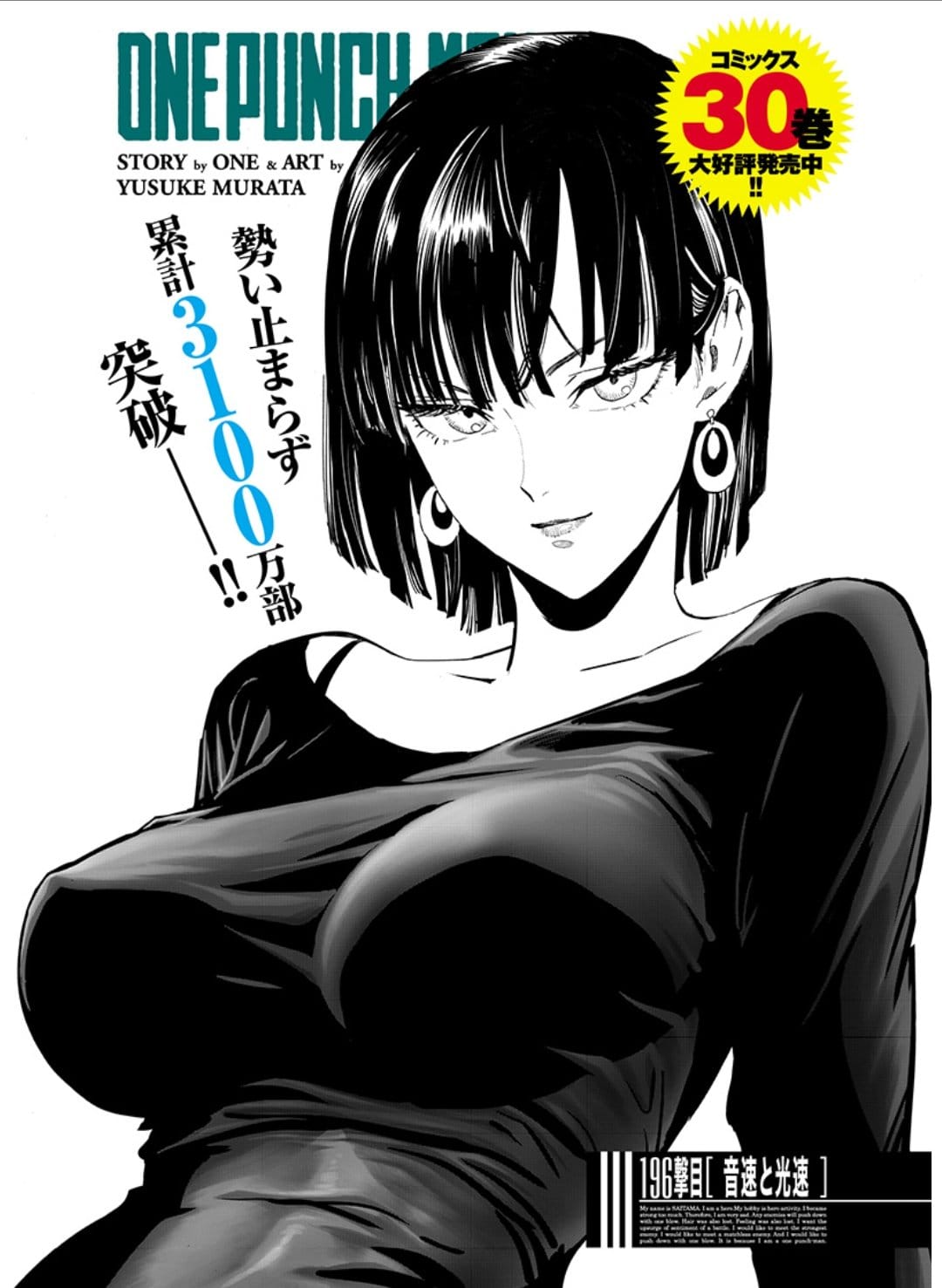
Waifus include Bulma from Dragon Ball; Kurisu Makise from Steins Gate; Makima and Power from Chainsaw Man; Nami and Robin from One Piece; Orihime from Bleach; Asuna Yūki from Sword Art Online; Frieren and Fern; Nezuko from Kimetsu No Yaiba; Bocchi from Bocchi the Rock; Marin Kitagawa from My Dress Up Darling; Fubuki from One Punch Man; Chizuru Ichinose from Rent a Girlfriend; Mai Sakurajima from Seishun Buta Yarō; Darkness from KonoSuba; Rem from Re:Zero; Asuka Langley from Neon Genesis Evange... ENOUGH, YOU GET IT. But a waifu doesn’t have to be just an anime woman: Jinx, Tifa Lockhart, Ramona Flowers, Lara Croft, Harley Quinn are also established waifus.
The otaku is an active consumer: they reinterpret and appropriate the works they consume. Having a waifu or husbando is considered one of the greatest acts of love for the work they enjoy. This love doesn’t always have a sexual connotation; sometimes it’s somewhat platonic. A 2025 study published in the journal Psychology of Popular Media indicated that sexual connections with fictional characters tend to correlate with physical appearance, while emotional connections develop based on personality traits and perceived similarity between the fan and the character. These interests were bound to reach the battlefields at some point, as today’s soldiers are overstimulated individuals with internet access, just like you and me.
The otaku is an active consumer: they reinterpret and appropriate the works they consume. Having a waifu or husbando is considered one of the greatest acts of love for the work they enjoy.
But it’s not the first time in history that soldiers have drawn scantily clad fictional mines. I’d even say that waifus have always been there. World War II is considered the golden age of Nose Art, an artistic expression that involves painting the noses of warplanes. The illustrations varied according to the crew, the theater of operations, or the type of aircraft. Curiously, the most popular and recurring theme was the woman. The beloved and famous pin-up girls. For me, a large part of these girls are also waifus, as they were often fictional women with whom a sort of idyllic bond was established, often based on libidinous thoughts. But today is more democratic since it’s easier to draw in anime style than in pin-up style.
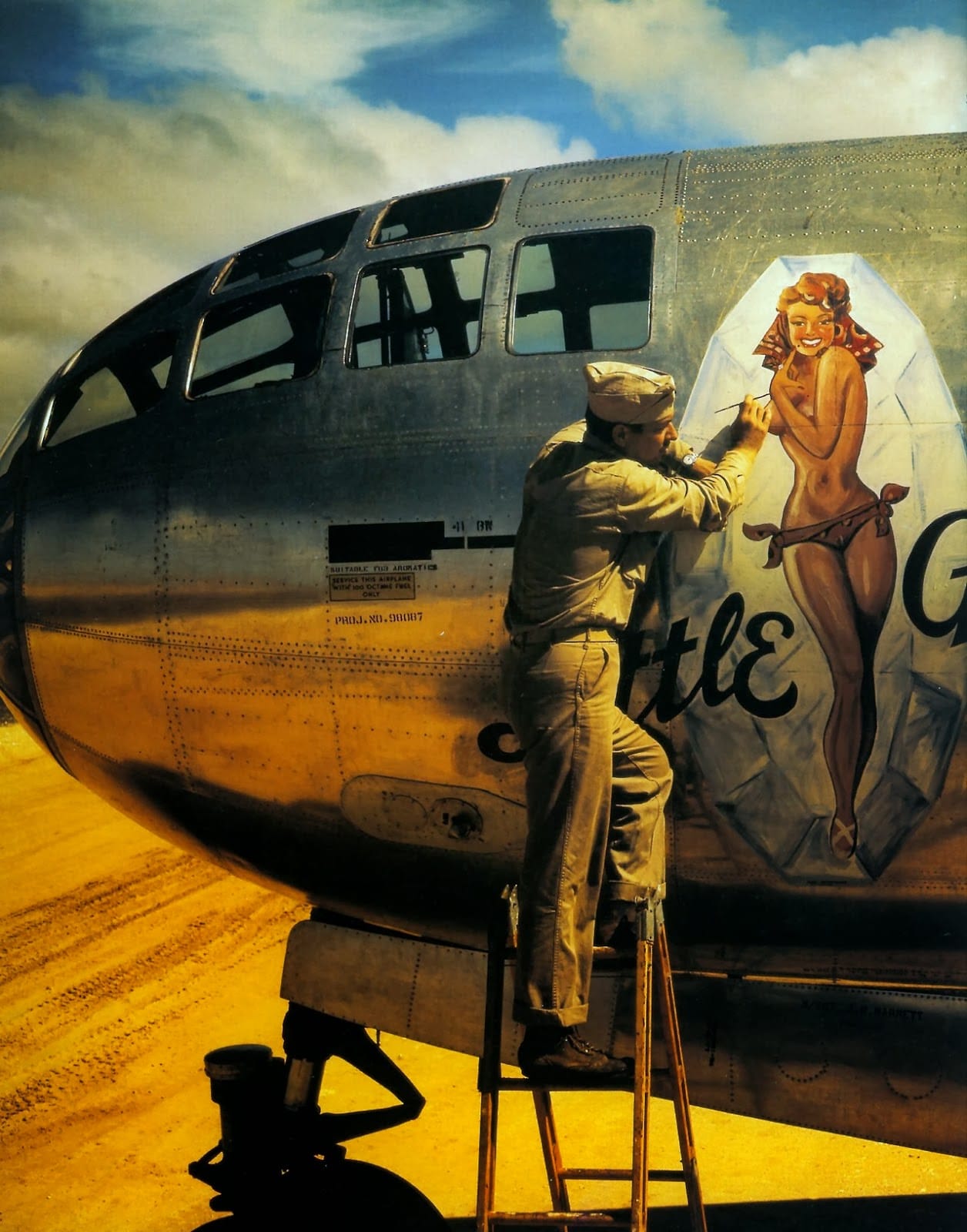
The use of these girls sought to build a bond between the aircraft and the crew. Aircraft were often seen as “feminine” and sometimes as a figure that cared for or protected them. The plane would save them from the dangers of combat and bring them back home safe and sound (though women are not planes, you get it; better words have been written about female objectification and its dangers, I’m here to tell stories).
In the intensification of the Russo-Ukrainian conflict, waifus invaded assault rifles, missiles, tanks, and other military paraphernalia of the fighters. Many of their appearances have an emotional foundation, while others, in my view, are somewhat larpish, let’s say they have a low symbolic-emotional degree.
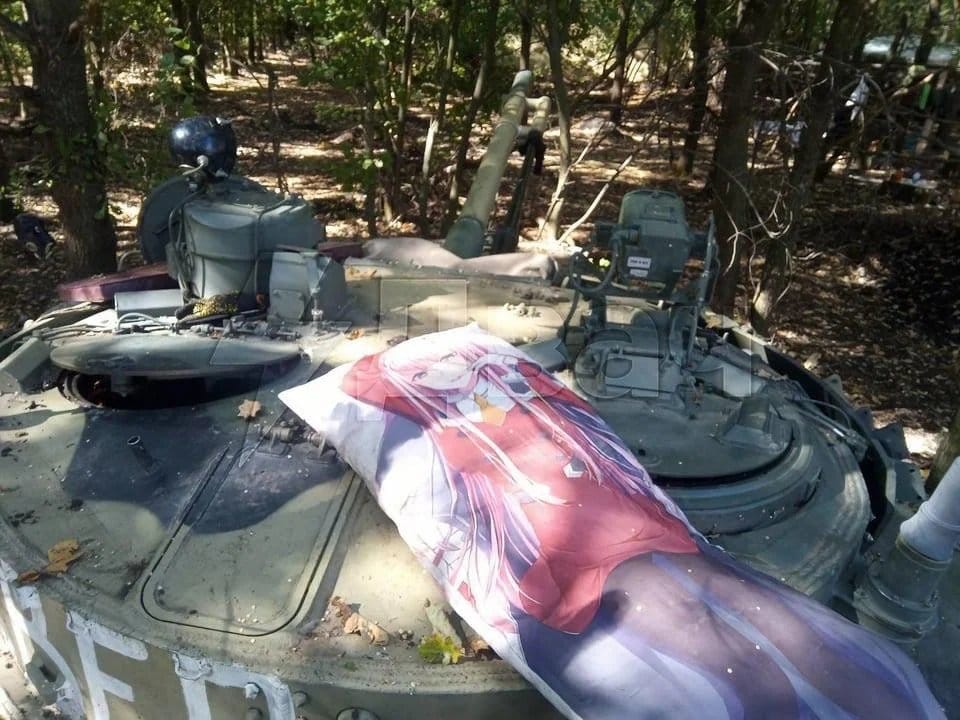
There are plenty of examples. A commander of a Russian T-90M tank in Ukrainian territory became known for carrying a figure of Asuna Yūki (one of the protagonists of Sword Art Online) inside his turret to invoke good luck. This commander’s radio call sign is neko: cat in Japanese, as it is believed that cats have many lives. You get it, you get it.
Ukrainian Yaroslav Halas posted on Facebook in March 2022 that his Artillery Division of the 128th Mountain Assault Brigade was bombarding a Russian troop area with pamphlets and postcards. One of the pamphlets features the Chinese figurine and contains a message in a tone very similar to that used in the Vietnam War by Hanoi Hannah to lower American morale. The red text written in Russian says “Surrender, save your life, and come home a hero,” the white text continues: “Call your family and tell them: I’m fine, alive, and safe. I’ve been given the opportunity to surrender and they’ve offered me 5 million rubles for it.” This methodology is called Paper bullets and was systematically used in World War II, but the pamphlets dropped on the Germans back then were surrender passes (Passierschein) to urge them to lay down their arms. Now they drop Chinese figurines and memes.
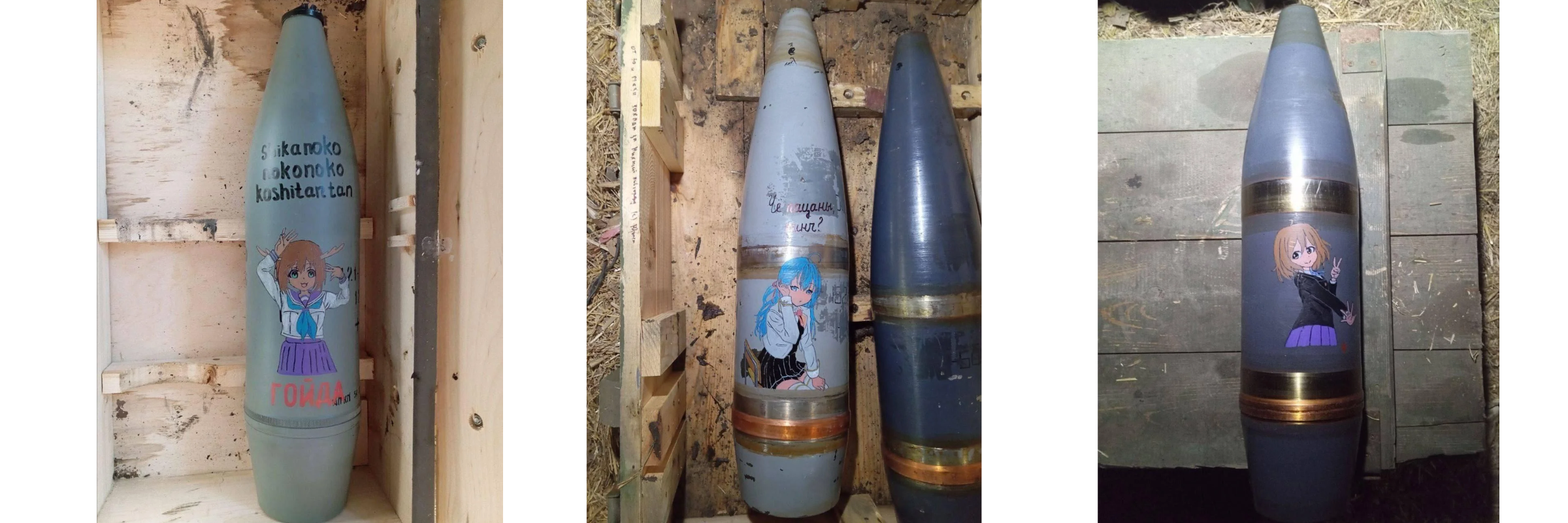
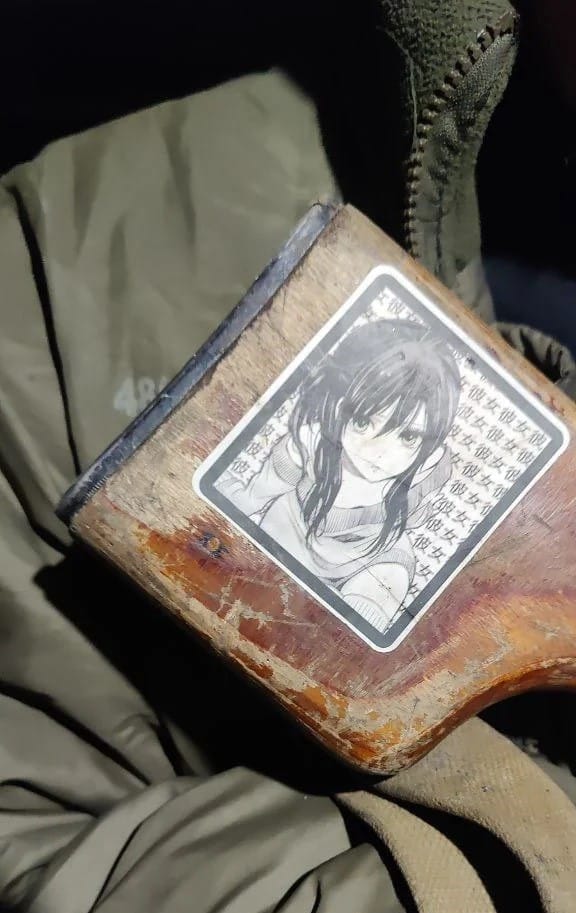
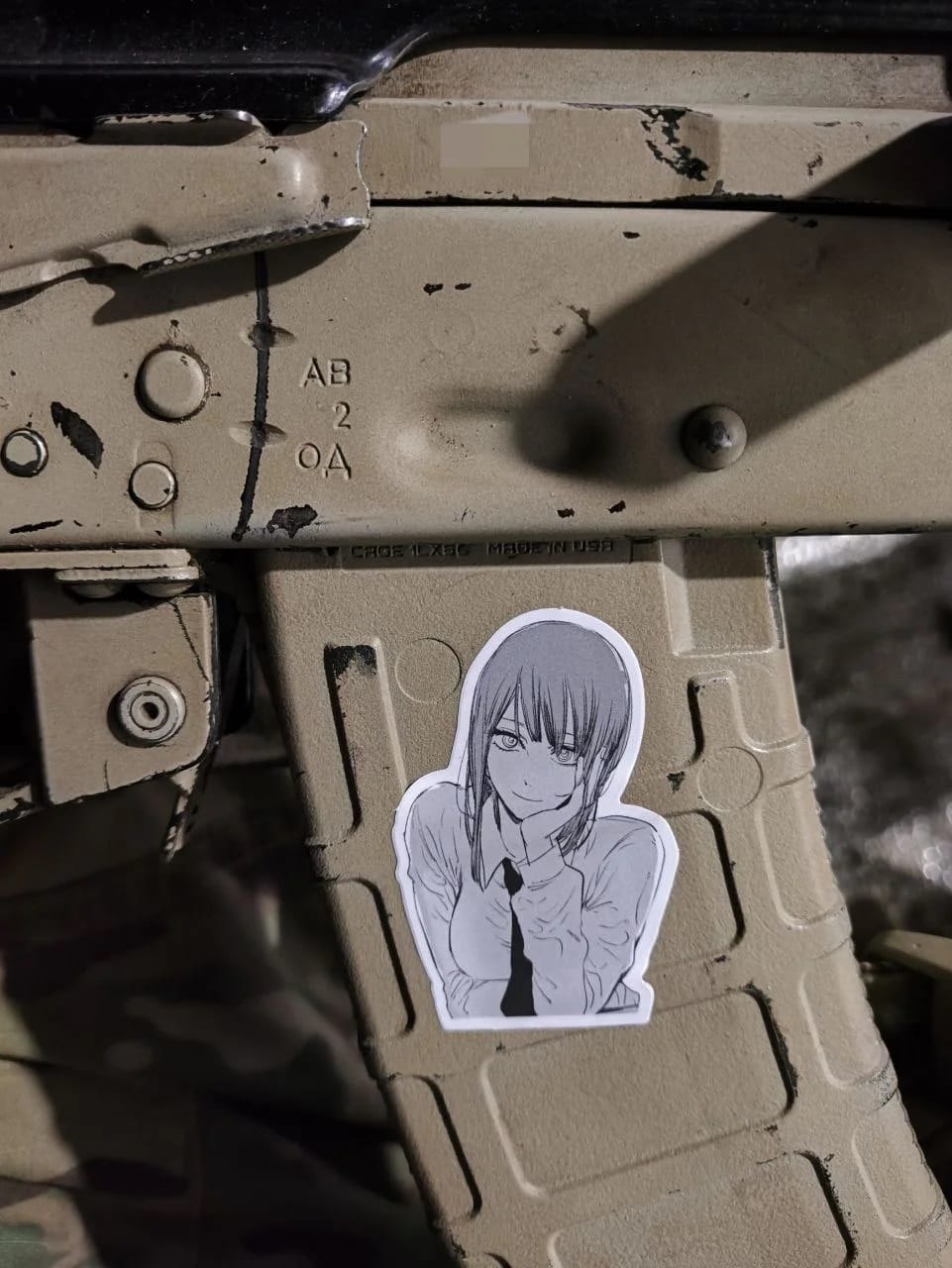
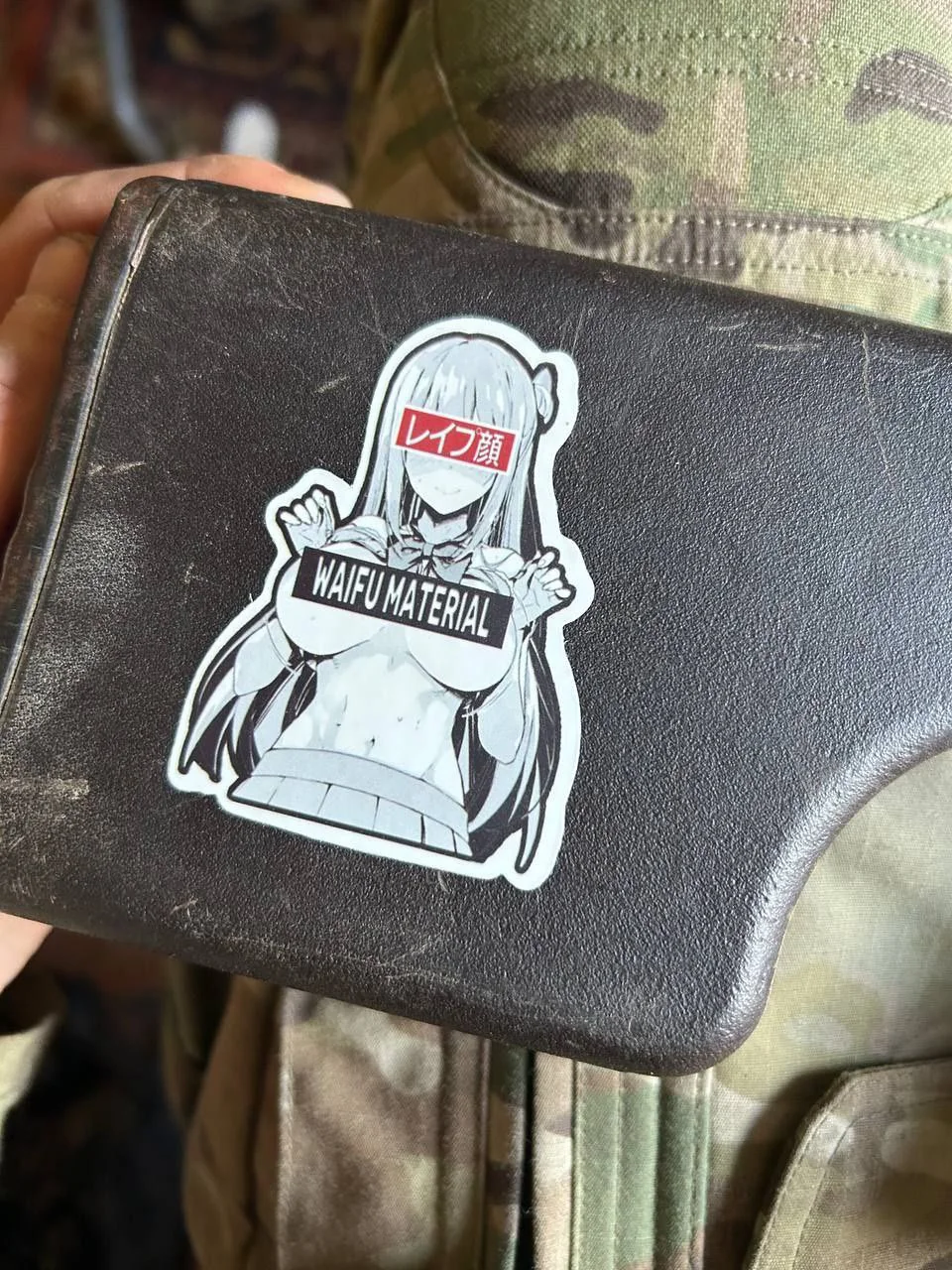
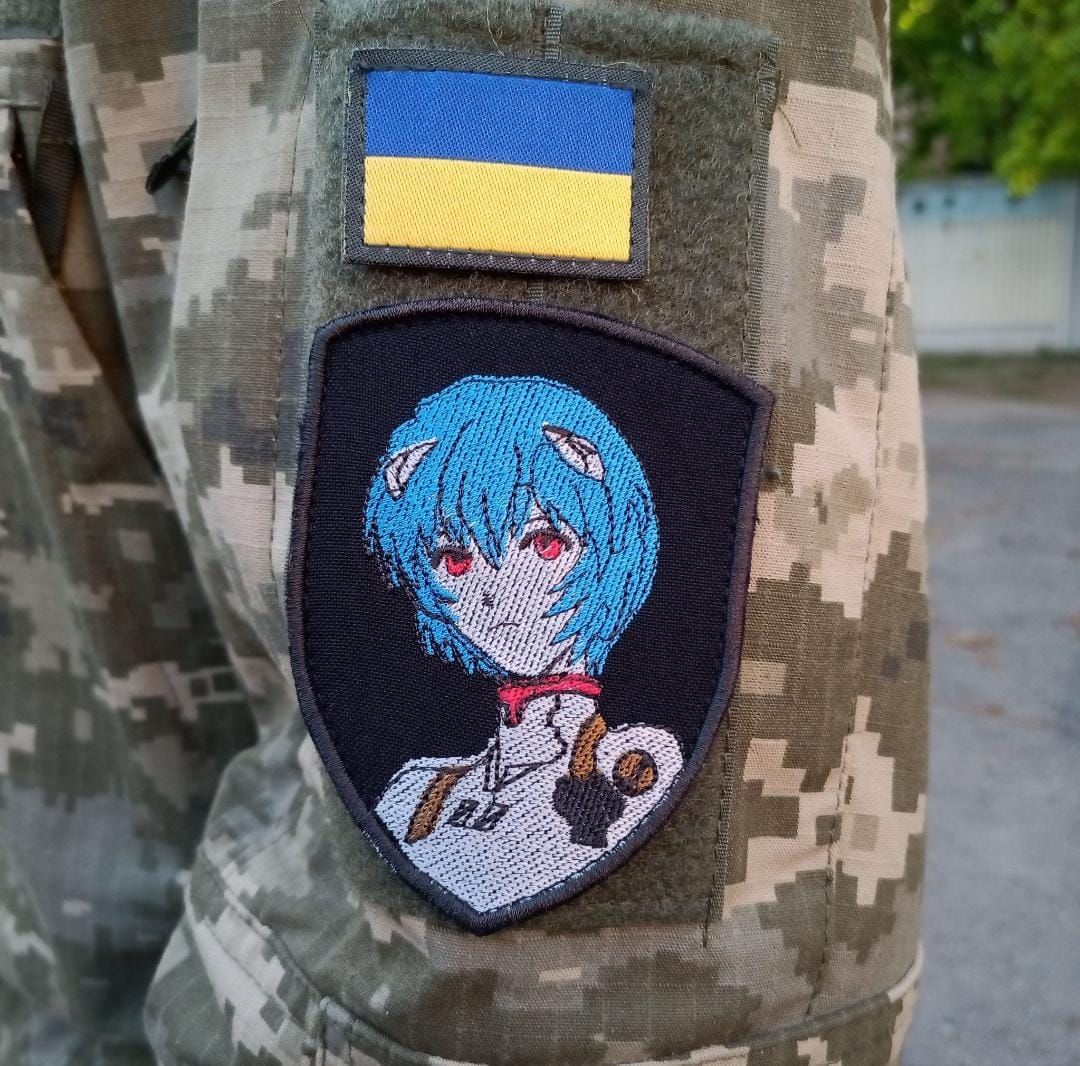
I only selected a small handful of waifus with rifles because this phenomenon is being replicated almost infinitely.
This gallery has it all. Hand-painted Russian projectiles featuring various waifus; Mei Aihara, one of the protagonists from the yuri manga/anime Citrus, on the stock of what appears to be an RPK-74 machine gun (this person knows what they're doing. Russian side); Makima from Chainsaw Man on what looks like a repainted Magpul PMAG magazine for an AK-104 carbine (I'd love to chat with this person, I really like Chainsaw Man. Russian side); Rei Ayanami from Neon Genesis Evangelion under a flag, with a machine-embroidered fabric patch featuring Velcro (the placement of this patch was a very conscious decision, not random at all, because only those a bit off their rocker choose Rei over the other girls from Evangelion. Ukrainian side); Also, an unnamed waifu that usually comes in a generic pack of 30/50 hentai stickers (this one is a bit of a larper and degenerate without any backstory, as this girl doesn't belong to any particular saga. Russian side).
On the other hand, in a Russian detachment located in the city of Kerch, there's an assault group calling themselves the “Anime Battalion.” Most of these recruits joined the war through calls in anime groups and memes. They caught media attention when they captured a U.S. M2 Bradley infantry fighting vehicle. Russian journalist Dmitry Plotnikov conducted a interview with Stanislav Getmanets, who led the platoon during the feat. I’d like to point out that Stanislav ends the note by saying something like war is a drag and he’d like to write books when it’s all over.
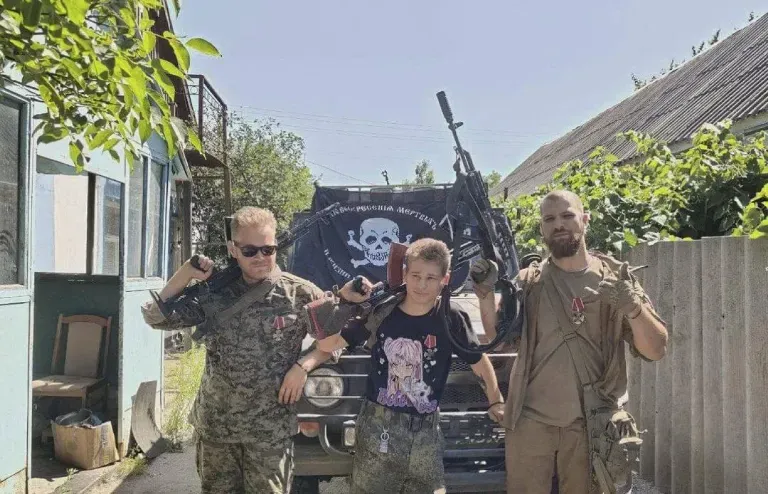
A girl and a gun
Noura Tafeche is a researcher and visual artist who created the concept Kawayoku: the fusion of the Japanese words kawaii and bōryoku. The concept titles her work where she collects and problematizes the intersection of violence and tenderness in contemporary digital warfare. She considers Kawayoku an aesthetic device to analyze violence within the realm of visual perception and its online extension, and explores what the political implications might be in a context of semiotic ambiguity and post-truth. She gathers images from various sources, like Reddit and Tumblr, and ultimately demonstrates the method used by Israeli intelligence agencies to build profiles of hot soldier women for propaganda.
Her archive contains around 32,000 images organized along various axes according to their degree of abstraction, propaganda, and their level of violence or tenderness. It’s an astonishing body of work. Her archival labor is impressive, and you can dive there for many hours.
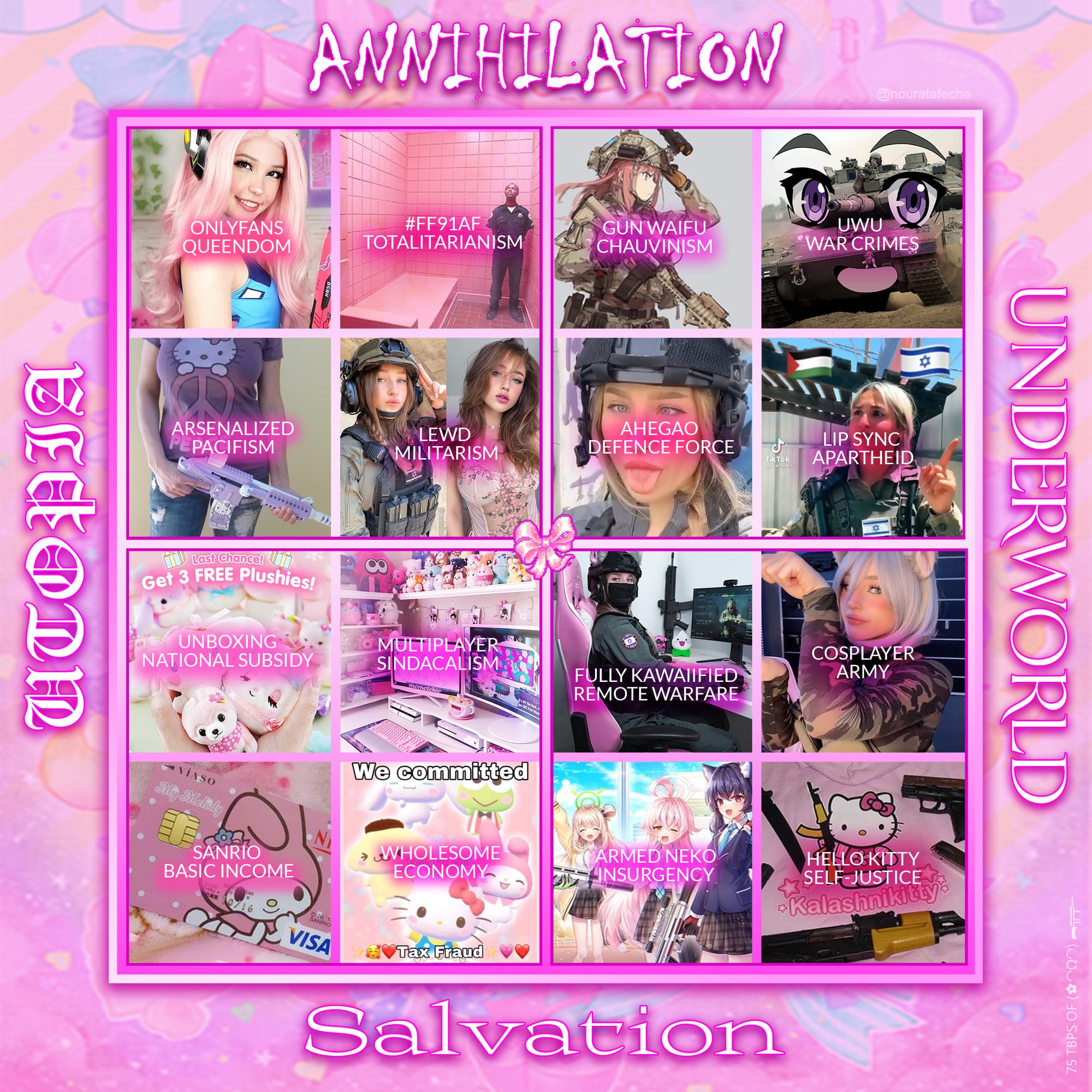
Of course, this isn’t the first time in human history that femininity has been used as a vehicle to mobilize propaganda, desire, and expectations. The issue is that nowadays there’s so much of everything that it becomes exhausting and leads to symbolic necrosis. Acceleration and all that. But the separation between the subject woman and the representation woman is a sexist nuisance that has lasted for centuries. I could tell you that any soldier sporting a sticker of a Chinese monkey is pepenazitron3000, but that would be a conclusion that aligns with fashion analyses.
Once I read on Twitter: “right-wing propaganda is soft porn for the slow-witted. It probably is, but what’s relevant is: why in the 21st century do many political parties promise you a busty woman in leggings cooking when you come home from work? Isn’t it similar to having a waifu sticker on the stock of a gun, someone to welcome the soldier back from war?
Las notas de 421 no tienen paywall
Y a cada colaborador se le paga por su trabajo. Las dos cosas dependen de los suscriptores.