From Shadowy Internet Cafés to World-Class Stadiums: How Did Esports Become a Geopolitical Asset? This article traces the journey from a Ferrari as a prize in 1997 to the multibillion-dollar 2026 Nations World Cup in Saudi Arabia. An in-depth look at the industry’s definitive boom.
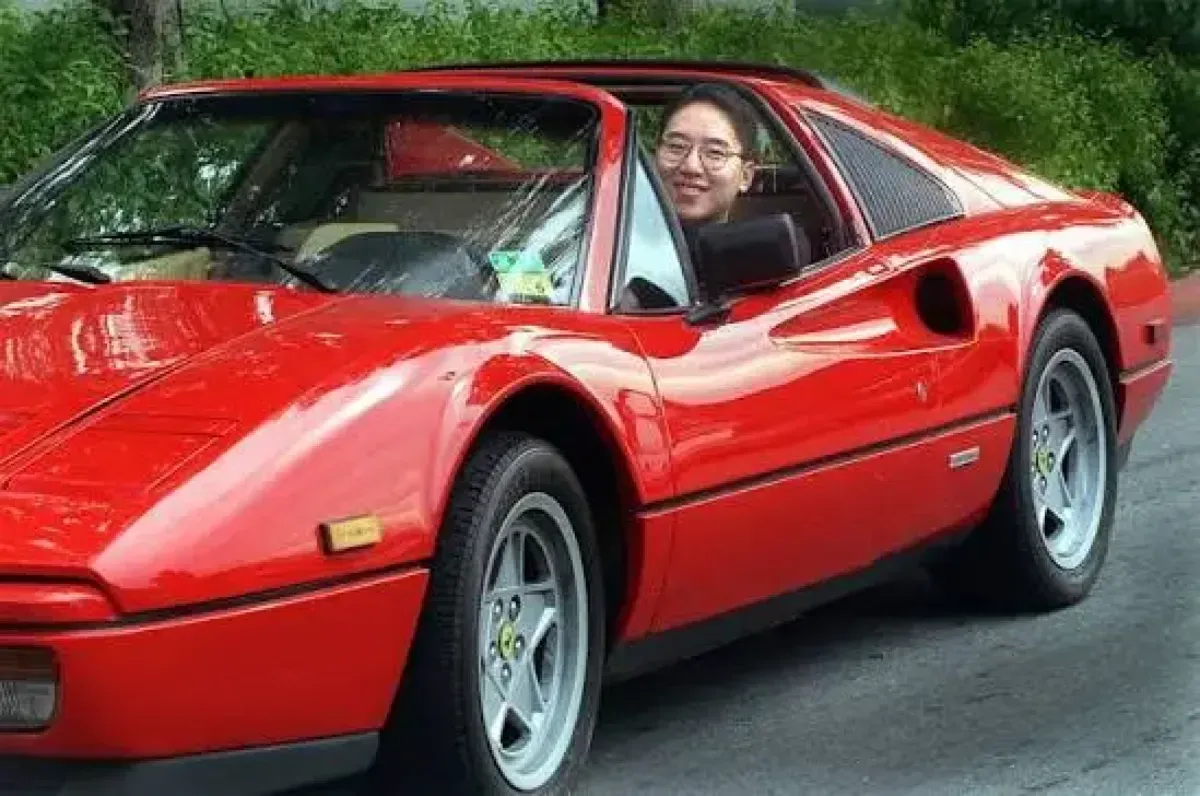
It's 1997, and the prize for the winner of a Quake 1 tournament in the U.S. isn't cash; it's a Ferrari 328 GTS. John Carmack, the genius behind id Software, pays for it out of his own pocket. Back then, nobody knew this activity as "esports"; at most, it was called "pro-gaming." Yet, there it was, the seed of everything that would come later.
Esports were born because people wanted to compete, and they found in video games the perfect ground to do so. The CPL (Cyberathlete Professional League) brought structure in 1997 to what had until then been informal Quake events, StarCraft, or Counter Strike. South Korea was the first country to take it seriously, with TV channels dedicated exclusively to StarCraft, while its government laid down the densest broadband network in the world. The story was more diverse elsewhere on the planet: cybercafes, LAN parties, BYOC, and the only audience was the one peering over the player's shoulder in the same room.
By 1998, the total prize pool was just over a hundred thousand dollars. By 2014, it had skyrocketed to over thirty-six million across more than two thousand five hundred events.
In 1998, the total prize pool was just over a hundred thousand dollars. By 2014, it had reached over thirty-six million across more than two thousand five hundred events. Twitch, launched in 2011, provided esports with a permanent global window. By 2019, the audience had surpassed 443 million people. Epic Games announced a hundred million dollars in prizes for Fortnite in a single year. A sixteen-year-old kid, Bugha, took home three million in the first World Cup (the same one where Kingg, a thirteen-year-old Argentine player, pocketed nine hundred thousand dollars for fifth place). ESPN was broadcasting esports. Drake and Michael Jordan were investing in teams. The industry surpassed a billion dollars in revenue for the first time.
By 2019, a professional player no longer needed to explain to anyone what they did for a living. The world had understood. What was still unknown was who would take ownership of this sport.
Thresh, the 1997 Quake champion, with John Carmack's Ferrari 328 GTS.
When the world stopped, we didn't
On March 11, 2020, the WHO declared a pandemic. Two weeks later, traditional sports were in freefall: the NBA suspended, the Champions League halted, the Tokyo Olympics postponed for a whole year. For the first time in decades, global sports had no answer. We did.
Esports don't need stadiums or health bubbles. While the world desperately searched for fresh content to consume during lockdown, we had been doing it this way for years. The result was a boom that no analyst had projected.
I experienced it firsthand when I was working in Barcelona for LVP. On our channels, we recorded nearly 100,000 people watching live streams that, in another context, would have had a fraction of that audience. The pandemic didn't create interest; it unlocked it. And that solidified a new public figure in our industry: the streamer-influencer.
Ibai Llanos was a commentator for League of Legends at LVP when I was doing Counter Strike. I watched him grow in person: from holding a microphone and narrating matches to becoming one of the most influential figures in Spanish-speaking entertainment. During the pandemic, he organized the Kings League, interviewed Messi, and hosted influencer boxing (La Velada del Año) in front of millions of viewers, a format that was copied worldwide. He was born within our industry, and the industry projected him to the world.
The local case is Coscu. Martín Pérez Disalvo started in the competitive LoL scene, opened his Twitch channel in 2012, and built Coscu Army, one of the largest gaming communities in the region. In 2020, one of his streams broke the Latin American record with 425,000 simultaneous viewers.
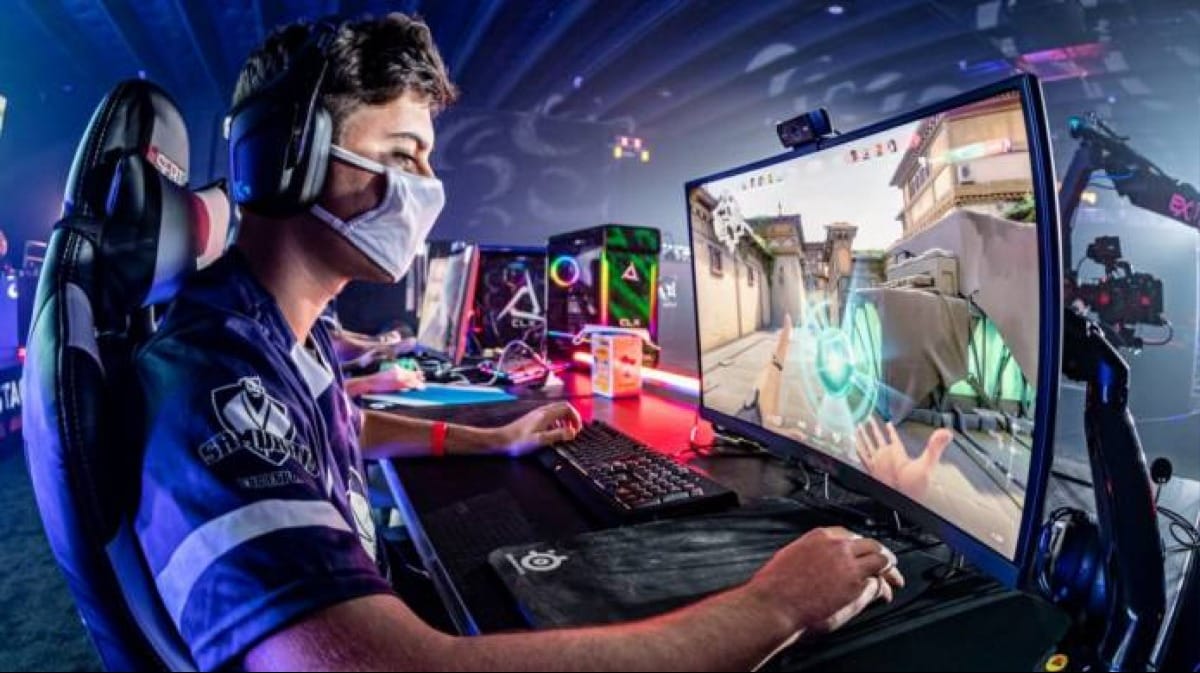
A Valorant player competing during the pandemic.
The hangover from the boom
Every party has its day after. And the aftermath of the esports boom post-pandemic was quite harsh.
The problem isn't that the industry collapsed. It's more subtle: a gap opened between what the pandemic promised and what reality could sustain. The numbers from 2020 and 2021 weren't the new floor; they were the ceiling. When the world returned to the streets, a good portion of that audience also left and didn't come back.
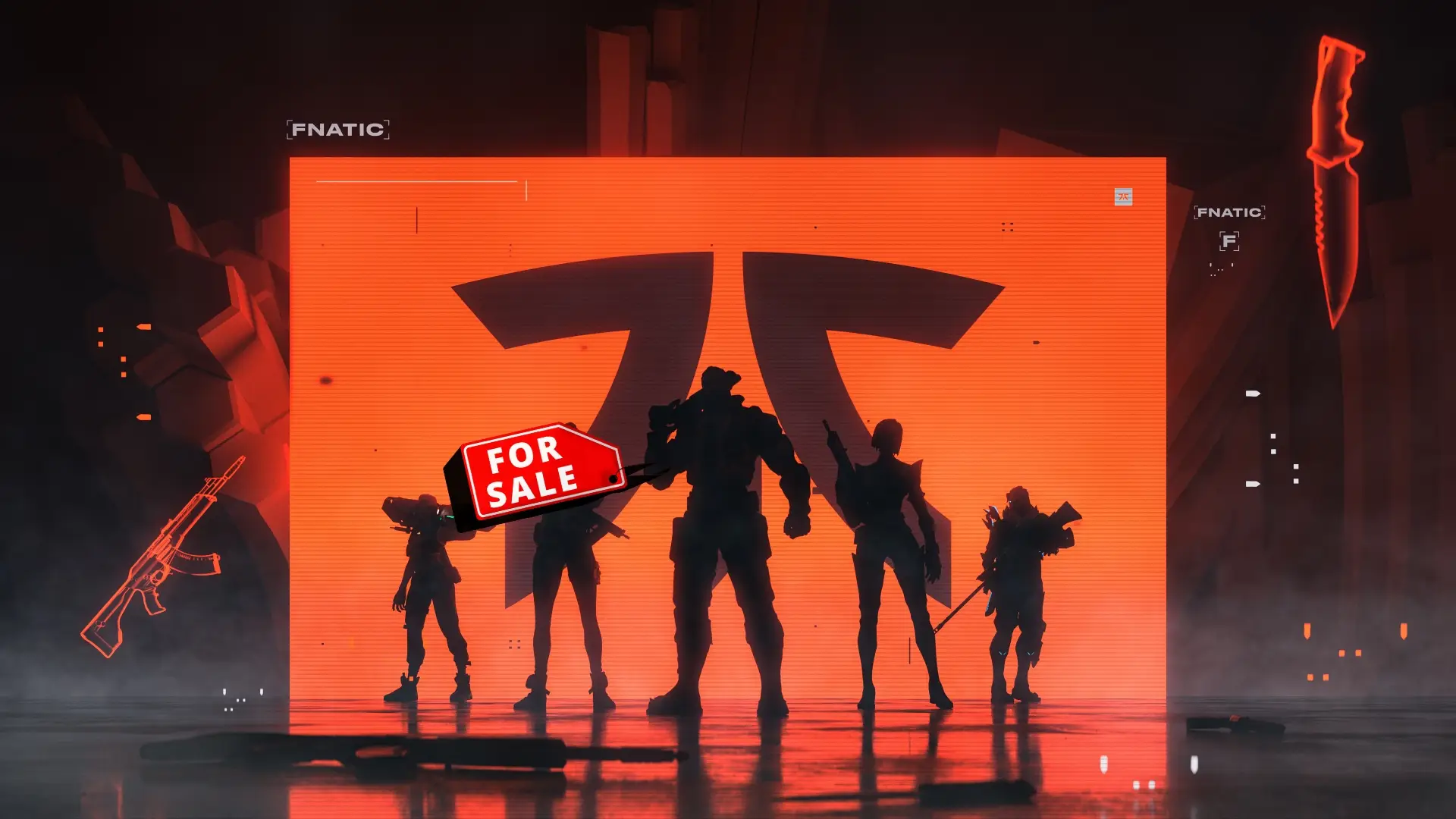
The clearest case is the League Championship Series, the most important LoL league in the U.S.: between 2021 and 2023, it lost almost a third of its audience. Online viewership for tournaments dropped by more than 50% when in-person events resumed. Historic teams like Evil Geniuses, 100 Thieves, and Counter Logic Gaming began selling assets, cutting rosters, or shutting down divisions. FaZe Clan, the first esports team to go public, saw its stock plummet to fifty cents. And by the end of 2025, Fnatic (one of the most iconic clubs in history) hired a consultancy because its revenue was declining by 20% year over year.
The numbers from 2020 and 2021 weren't the new floor; they were the ceiling. When the world returned to the streets, a good portion of that audience also left and didn't come back.
But the figure that matters most to me isn't the viewers. It's the sponsors. For years, the model was clear: big brands sponsored big leagues. That model has broken down. What brands are doing now is taking that money directly to the streamer, to the individual creator with their own community. The ROI is more measurable, the audience more captive, the message more personalized. The result is that the major institutional leagues have lost one of their economic pillars, while the Ibais and Coscus of the world have become the preferred advertising vehicle.
And there's something else changing: TikTok and reels are not just competing with esports for viewer time; they're rewiring the brain, training it with instant dopamine hits that no traditional match can match. The industry noticed: Counter Strike went from needing 16 rounds to win a map to just 13. But I think even that isn't enough. It makes no sense for a bo3 to last as long as The Lord of the Rings in its extended version.
It's an uncomfortable paradox: the same industry that created streamers now has to compete against them. The child devoured the father.
Does this mean that esports are dying? No. It means they're at a crossroads. And it's precisely at this moment of vulnerability that a new player with the deepest pockets on the planet has emerged.
By the end of 2025, Fnatic—valued at an estimated $100 million—is looking for a buyer.
A new player has arrived
The discovery of oil in 1938 in Saudi Arabia transformed what was once a territory of Bedouin tribes into one of the world's largest crude oil exporters in just a few decades. They know this, and they understand it won't last forever. That's why they need to diversify.
In 2016, Mohammed bin Salman announced Vision 2030: to diversify the economy towards tourism, entertainment, and technology. The Public Investment Fund, with assets exceeding $900 billion, begins to take action. Soccer, Formula 1, boxing, golf, tennis. And video games.
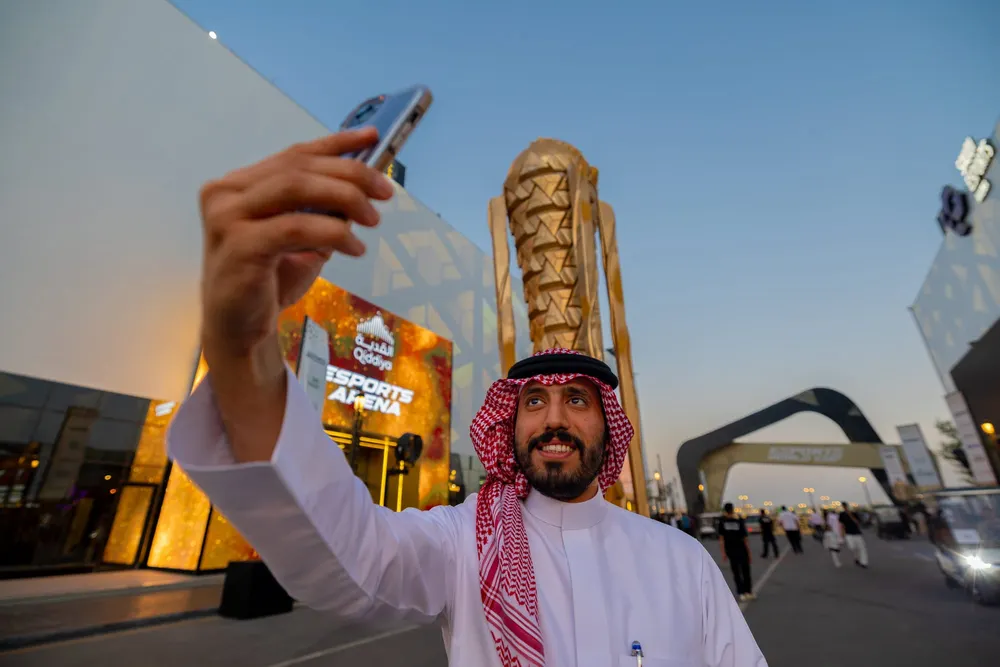
In 2023, Saudi Arabia hosted Gamers8, with $45 million in prizes. In 2024, they launched the Esports World Cup: eight weeks in Riyadh, 19 titles, and over $60 million. In 2025, they surpassed that: $70 million, 200 teams from over 100 countries. And in 2026, they took a step that no one had dared to take: the Esports Nations Cup, the first national competition in the history of esports. For the first time, you'll be able to cheer for your country as if it were the World Cup.
TikTok and reels are not only competing with esports for viewers' time: they're changing the brain, training it with instant dopamine hits that no traditional match can match.
However, the landscape shifted. In May 2026, with the conflict between the United States, Israel, and Iran escalating and major airlines canceling flights to the Middle East until October, the Esports World Cup was urgently moved to Paris. The CEO of the Esports Foundation, Ralf Reichert, justified it by citing the "current regional situation." The same conflict that had already forced the cancellation of the Saudi Arabian Formula 1 Grand Prix did the same with the world's largest esports event. Saudi Arabia remains the owner of the project, and Paris, for the first time, is its borrowed venue.
What Saudi Arabia is doing is not philanthropy. It's a calculated investment aimed at adding over $13 billion to its GDP by 2030.
Soft Power: the power you can't see
A government basically has three tools to influence the world: military force, traditional diplomacy, and culture. The third has a huge advantage: it doesn't generate resistance. When the U.S. sends marines, the world protests. When it exports Marvel, the world lines up.
Qatar spent $200 billion on the 2022 World Cup, ten times more than any previous host. China changed the global perception of its country with Beijing 2008.
That's Soft Power: a country's ability to influence through culture.
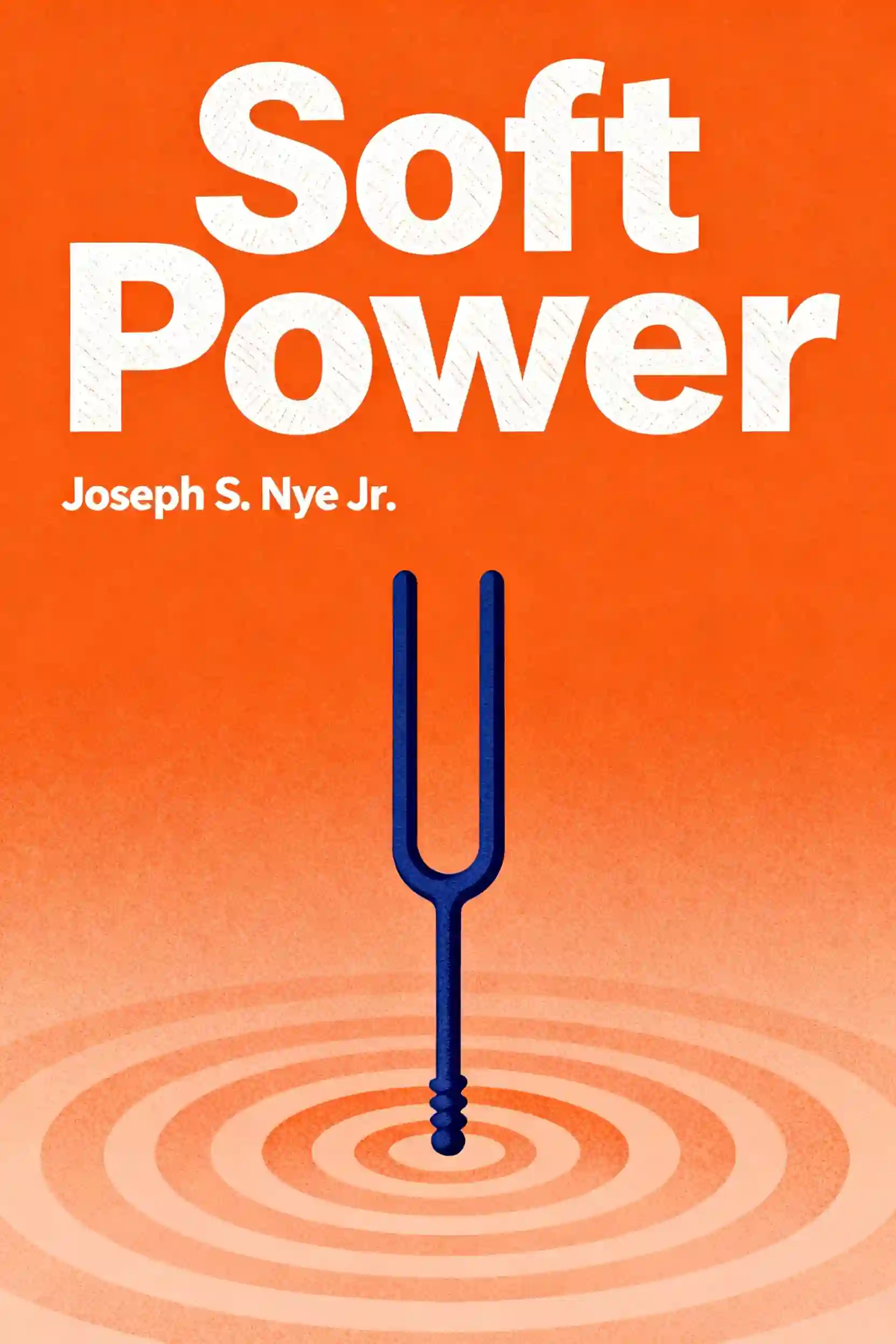
The term “soft power” was coined by the American political scientist Joseph S. Nye Jr.
Saudi Arabia understood that playbook and applied it to esports with an advantage: it arrived when the industry was in crisis. It didn't buy an already big event. It bought a growing industry. The esports audience is young, global, hyper-connected, exactly the profile that matters most. Each tournament in Riyadh establishes a postcard: Saudi Arabia as the world capital of gaming, the country that took a chance when no one else would. That image, once established, is very hard to erase.
Esports, like any industry that moves billions of dollars, are not without controversy. Saudi Arabia currently bears the brunt of criticism in the industry, and its entry has generated tensions: players declined to participate in events on Saudi soil, and organizations withdrew from their competitions. China, for its part, has been buying key companies in the sector for years and exerting an influence that is rarely discussed, partly because no one wants to lose access to the largest market on the planet. The United States also has its economic interests.
Argentina and esports
From November 18 to 22, 2026, Riyadh will host something that has never happened in the history of esports: a tournament of nations. Not of clubs, not of individual players. Of countries. The same format that makes a World Cup or the Olympics generate something emotional that no league can replicate: the jersey, the flag, the pride of representing.
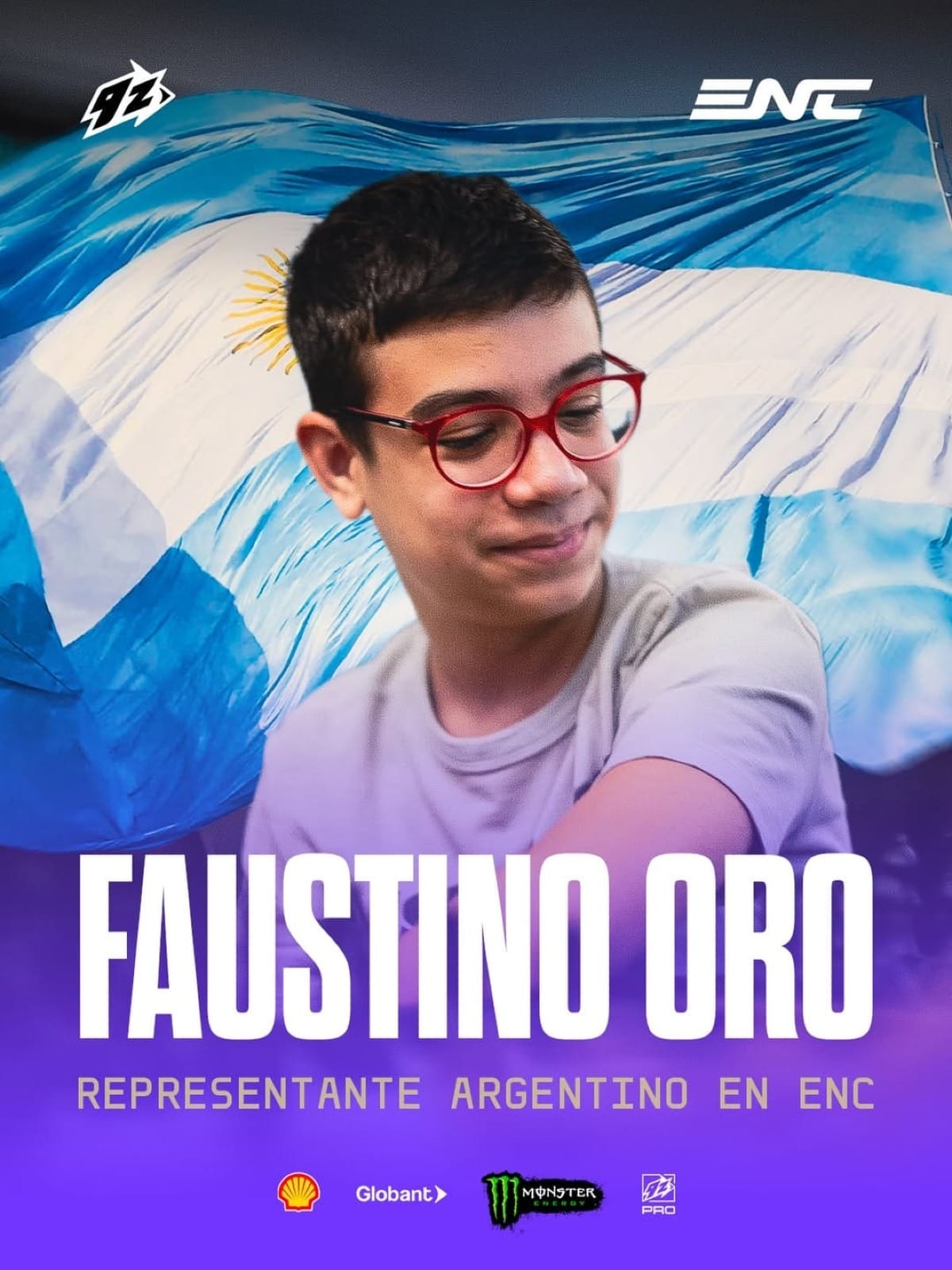
A lineup of 16 disciplines covering everything from the most competitive shooters to chess. And in that chess, there's already an Argentine name that deserves a separate paragraph: Faustino Oro. At nine years old, he became the youngest player to defeat a Grandmaster in chess history. Now, at twelve, he will represent Argentina in Riyadh. That's no small feat. It's the perfect image of what the ENC could be: the most talented kid in the country in his discipline, competing under the Argentine flag on the biggest stage that discipline has ever had in a nations tournament. If that's not an Olympics, it sure feels like one.
Faustino Oro of 9z Globant will represent Argentina at the ENC.
There is a $5 million incentive fund for clubs that release their players to compete with their national teams, acknowledging the real cost that such release entails. Historically, club owners have always had the same complaint: who pays when my player goes to play for his country? Here’s the answer. And a $20 million ENC Development Fund aimed at national partners with logistics, travel, and operations, so that countries with talent but without resources can reach Riyadh under real competitive conditions.
Argentina will be there. And for those of us who have been in this industry for years, that carries particular weight. In 2016, I was in Serbia as the coach of the Argentine Counter-Strike Team. Five kids (JonyBoy, Straka, NBL, Tutehen, and Tomi) stood their ground in the tournament against heavyweights like Sweden and Denmark, countries with advanced esports scenes, and made it to the grand final. We fell to Turkey 2-1 in a match that was decided on the third map. We finished second in the world. The result reached media outlets across the country. For a few days, esports existed for Argentina.
That made Counter-Strike reestablish itself as our top esport, but on a broader level, it also demonstrated something more important: that we can also compete (and win) at the highest level. What’s coming with the ENC is that multiplied by a hundred. It’s the prelude to the Olympics and, ultimately, the recognition of society.
Conclusion
Esports grew the hard way: without state support, without institutional recognition, without anyone opening doors for them. They were built by people who found a community in video games.
Today, we stand at a turning point. Saudi Arabia has changed the rules, and esports will enjoy a level of visibility and institutional legitimacy that was unthinkable a decade ago. What lies ahead, with all its contradictions, feels like the culmination of our journey. The world will finally be watching us. This is the moment.
En Esports desde 1999.
Ex-player de CS, Q3 & DoD & Coach de CS-Valorant
Subcampeón del Mundo con la SA de CS en 2016
Caster en CS-Valorant
Ahora creando CAT de Esports & escribiendo ensayo sobre los FPS Tácticos a través de "El Arte de la Guerra"
Back the project and unlock everything: 421 Magazine a month early, comments on every piece, the monthly council with the newsroom and the exclusive Magic app.