Game of Thrones: A Look Back at a Saga with No Future
Has the saga been reborn? After the disastrous ending of GoT, its prequels are reviving the phenomenon.
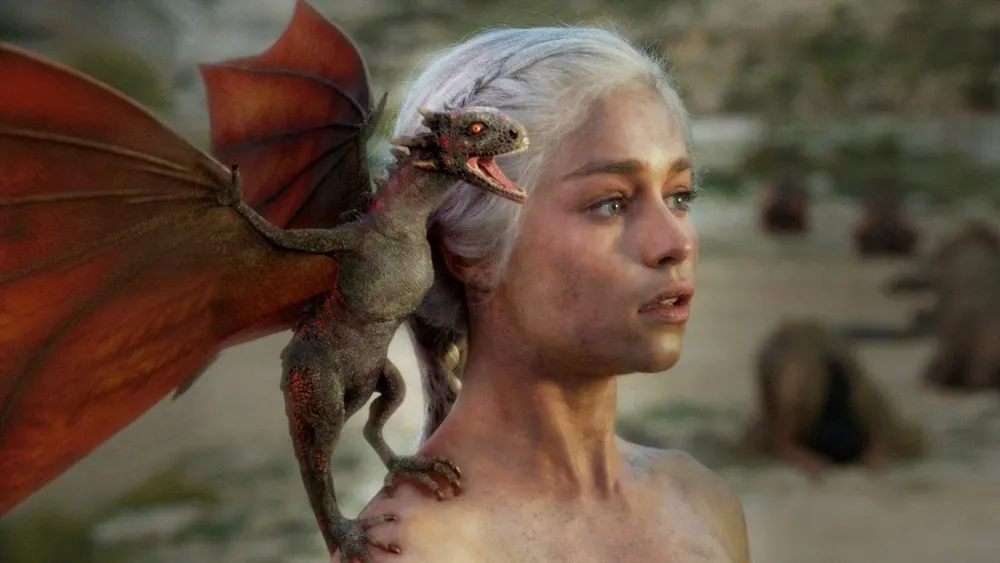
The HBO series Game of Thrones (2011-2019) felt like the last great phenomenon of mass culture, a product of the glorious and terrible homogenizing cultural industry of the 20th century. Its presence was ubiquitous and unavoidable. From each episode sprang parodies, memes, critical analyses. Its characters were mentioned in unexpected contexts. Many people who, due to age or some other reason, had not engaged with Peter Jackson's film adaptation of The Lord of the Rings found themselves connecting with fantasy for the first time through the adventures of Daenerys Targaryen, Jon Snow, Tyrion Lannister, and another twenty memorable characters. And all those who didn't watch it had to get used to dealing with both the constant references and the changing moods of its most committed viewers.
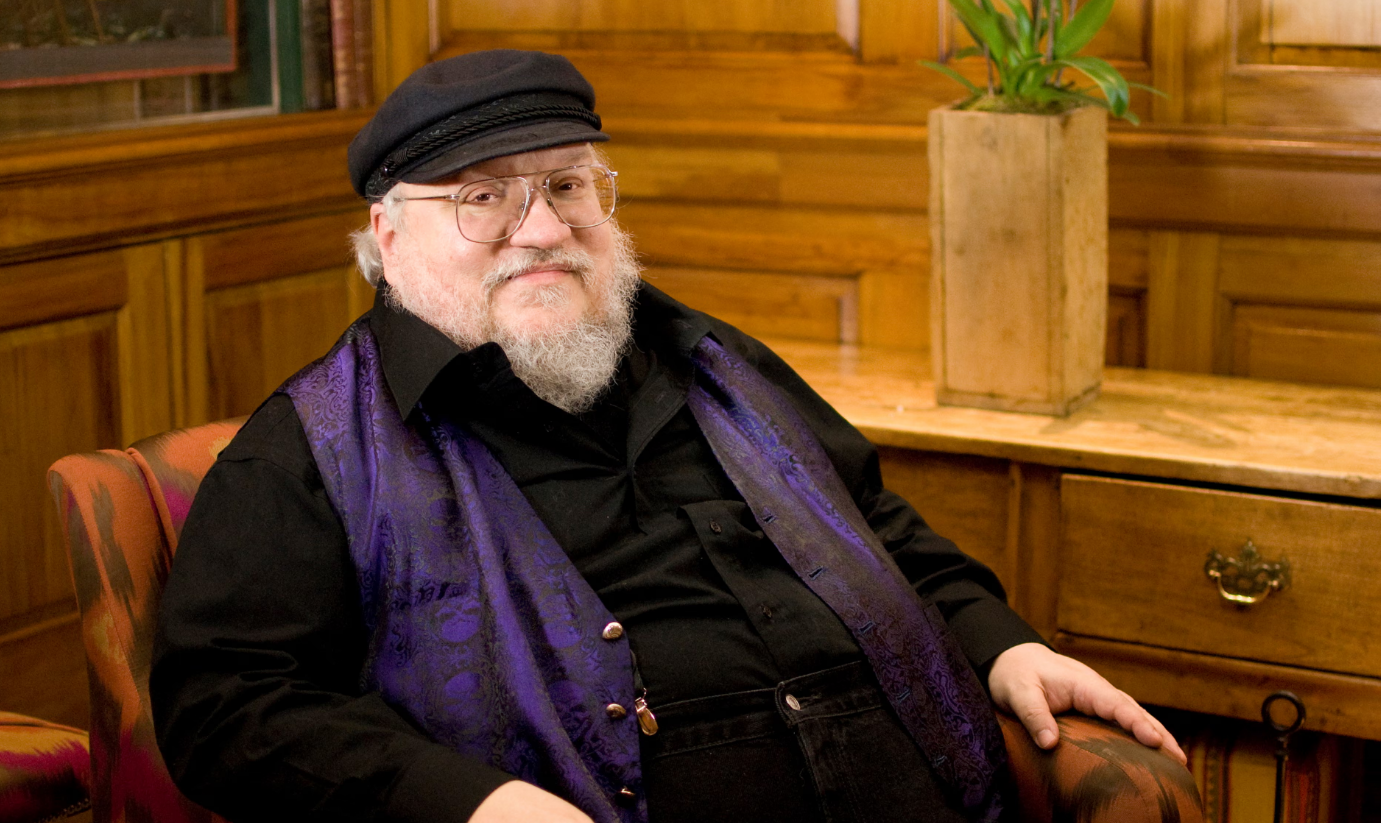
I remember when, roughly halfway through the series, some friends gifted me part of the series of novels it’s based on, collectively known as A Song of Ice and Fire (“Canción de Hielo y Fuego”), written by an author many of us had never heard of before: George R. R. Martin, a bearded American who looked like the most stereotypical nerd of all role players. In fact, Martin had already written significant works and had won the Hugo Award for Sandkings (translated into Spanish as Los reyes de la arena) in 1979.
The HBO series Game of Thrones felt like the last great phenomenon of mass culture, a product of the glorious and terrible homogenizing cultural industry of the 20th century.
By the time I received the gift, I was already addicted to the series, but I had given up on the idea of reading the novels because it seemed like too much of a time investment (they're long) for a genre I had enjoyed a lot in my adolescence but which, at that moment, felt literarily inferior. I remember seeing the two hefty volumes my friends handed me in the courtyard of Puán (the Faculty of Philosophy and Letters at UBA) and thinking: uh, do I really have to read this now? I was halfway through my PhD, whose main corpus consisted of Latin texts from the 15th and 16th centuries, and it felt like too big of a commitment. But once I started reading, I couldn't stop. I was completely hooked. I remember thinking: oh right, literature can be this too. The same thing happened to me, several years later, with Cixin Liu's The Three-Body Problem trilogy.
I then became one of those who watched the series and compared it to the books, but I made an effort to appreciate each medium for what it was. During the first four seasons, that was easy. I even found more than one instance where the resolutions in Benioff and Weiss's adaptation (the HBO showrunners) were more polished, although I also missed some secondary characters and the narration of certain battles that the series probably didn't film due to budget constraints.
Starting from the fifth season, the imbalance began. The series, which was adapting the novels A Feast for Crows (“Festín de cuervos”) and A Dance with Dragons (“Danza de dragones”), started to encounter greater obstacles. Some arose from the source material: those two novels open up a lot of parallel paths that connect more weakly with the central plot, and integrating them efficiently into television was going to be difficult. Viewers presumably weren't going to want to get to know ten new characters while sidelining the protagonists they had identified with for forty episodes. But the series still found strong support in some of its plots. “It’s still good,” many optimistic and tolerant readers would say, even though the distance between us and those who limited themselves to the adaptation grew.
Now, in retrospect, that was nothing compared to what happened next. GRRM's first novel, A Game of Thrones, came out in 1996, the second, A Clash of Kings, in 1998, and the third, A Storm of Swords, in 2000. Two years per novel, all very neat. The fourth, the aforementioned A Feast for Crows, took longer: five years. The fifth, A Dance with Dragons, took six years: it came out in 2011, when the series had just started. But by 2016, when the series finished its sixth season, there were no more novels to adapt. A feared scenario that several had already anticipated. So what now?
The showrunners came out to clarify that GRRM had shared the ending of the saga with them, so there wasn't much to worry about. The series would end harmoniously and following the plans originally conceived in meetings that had taken place many years ago. There was nothing to fear. Who knows, one might think, maybe now that they didn't have to struggle to adapt those last two difficult books, things would flow better and we would return to the undeniable glory of the first four seasons. But no. The last two seasons of A Game of Thrones are among the worst crimes humanity has committed in terms of fiction, only comparable to atrocities like the last trilogy of Star Wars. The series went down the drain. One disaster after another. There are really no words to describe it. Even today, seven years later, having gone through a pandemic and many other calamities, I can't recall it without pain. Bastards, they ruined everything.
GRRM distanced himself (a bit): he said that the novels would have their own ending because the differences between the plots, which started out small, grew like a snowball. A new rift opened, now among the readers of the saga. Some said: we must have hope, GRRM will save us from this disaster with two novels (the saga is supposedly supposed to have seven volumes) that will set things right and finally reveal that “A Song of Ice and Fire” is for fantasy readers and not for mere casual viewers, who will have to sit down and read if they don't want to resign themselves to HBO's garbage. Others, more pessimistic, said: no, what happened is much worse. The ending of the series revealed that GRRM actually doesn't have a reasonable plan to wrap up the thousand plots he created, and therefore the novels will either end up being almost as failed as the series or even... he may never finish writing them.
The last two seasons of A Game of Thrones are among the worst crimes humanity has committed in terms of fiction, only comparable to atrocities like the last trilogy of Star Wars.
And here we are, 2026, more than 15 years after A Dance with Dragons, with no sixth novel published, which will be titled (if it ever exists) Winds of Winter (“Vientos de invierno”). GRRM is now 77 years old. He used to make promises about publication dates, and some chapters even came out as preview, but lately, we don't even have that.
And yet, not all is lost. But before we delve into how the GoT universe managed to get back on track in these years, let's look at some of its central characteristics.
Power and Magic
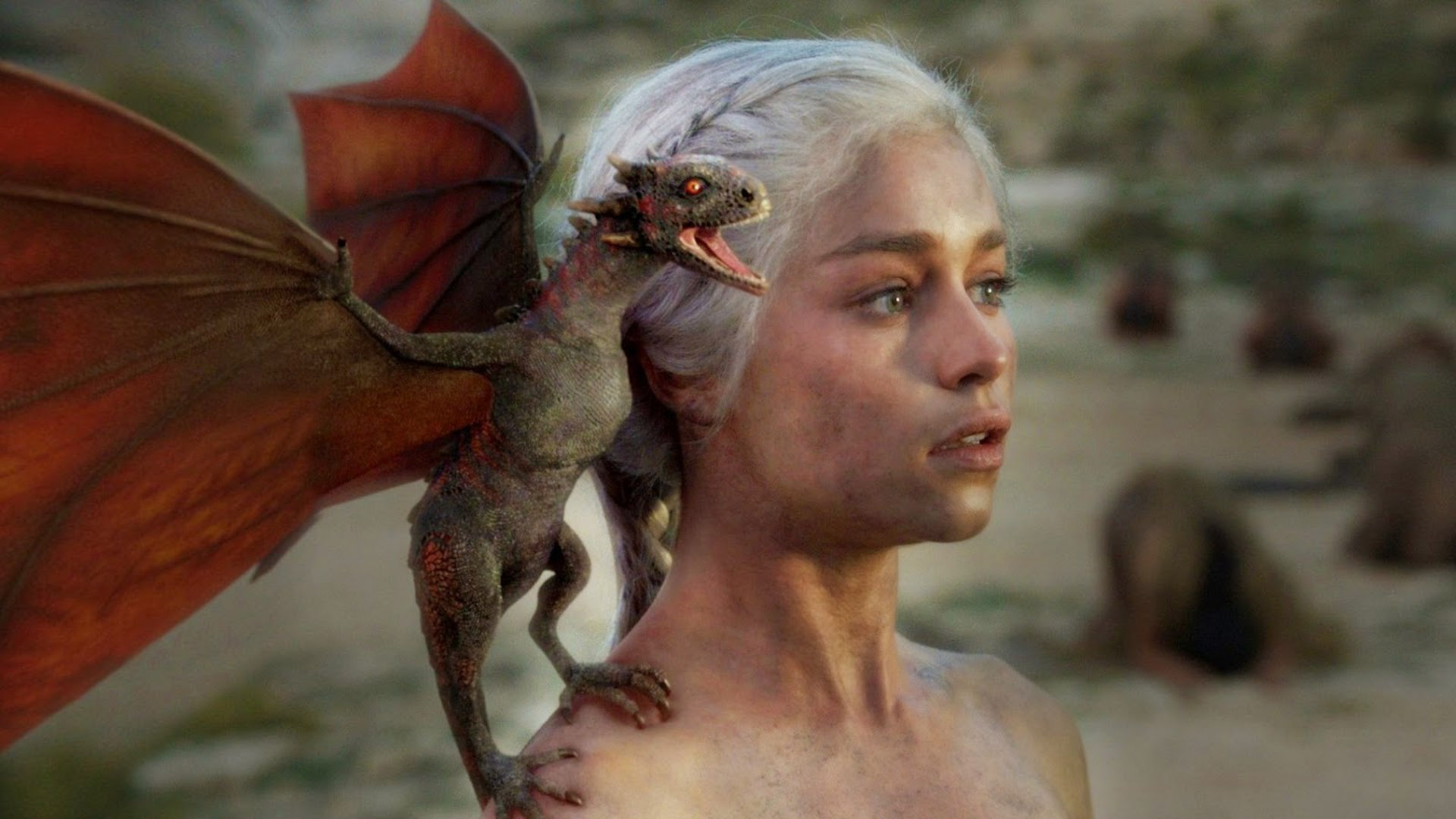
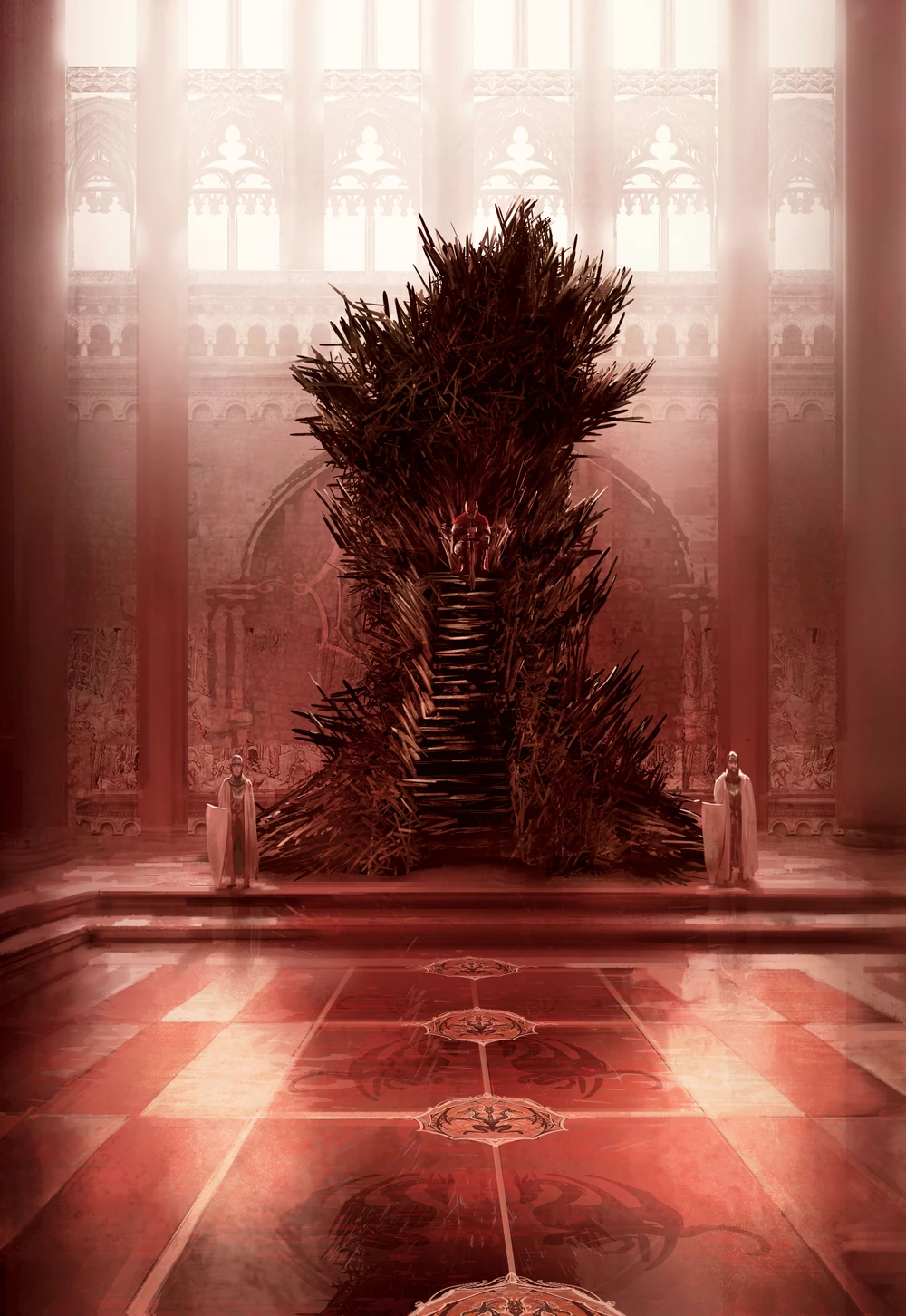
It could be said that the two titles of the saga illustrate its two main themes. One, Game of Thrones (the title of the first novel and the HBO series) appeals to political confrontation. The bulk of the plot takes place on the continent called Westeros, which was divided long ago into nine regions, seven of which were once independent kingdoms. Until a foreign invader, Aegon Targaryen, equipped with three dragons (creatures native to the other continent, Essos), unified the seven kingdoms under the rule of the “iron throne” that he forged using the fire of his dragon with the swords of the defeated armies. Since then, there has only been one king in Westeros, and the rest are “lords” or lords of different hierarchies, but as always happens in these cases, it’s a harmony that’s hard to maintain. With various conflicts, Aegon's descendants managed to dominate Westeros for many generations, during which the number and strength of the dragons dwindled until they finally went extinct. Ultimately, a feudal uprising led by Robert Baratheon deposed Aerys, the last Targaryen king, and started a new dynasty. But Aerys's youngest daughter survived hidden in Essos, and not only that: she managed to hatch three new dragons from seemingly petrified eggs. The cycle restarts. In the face of the crisis, new claimants to the throne flourish.
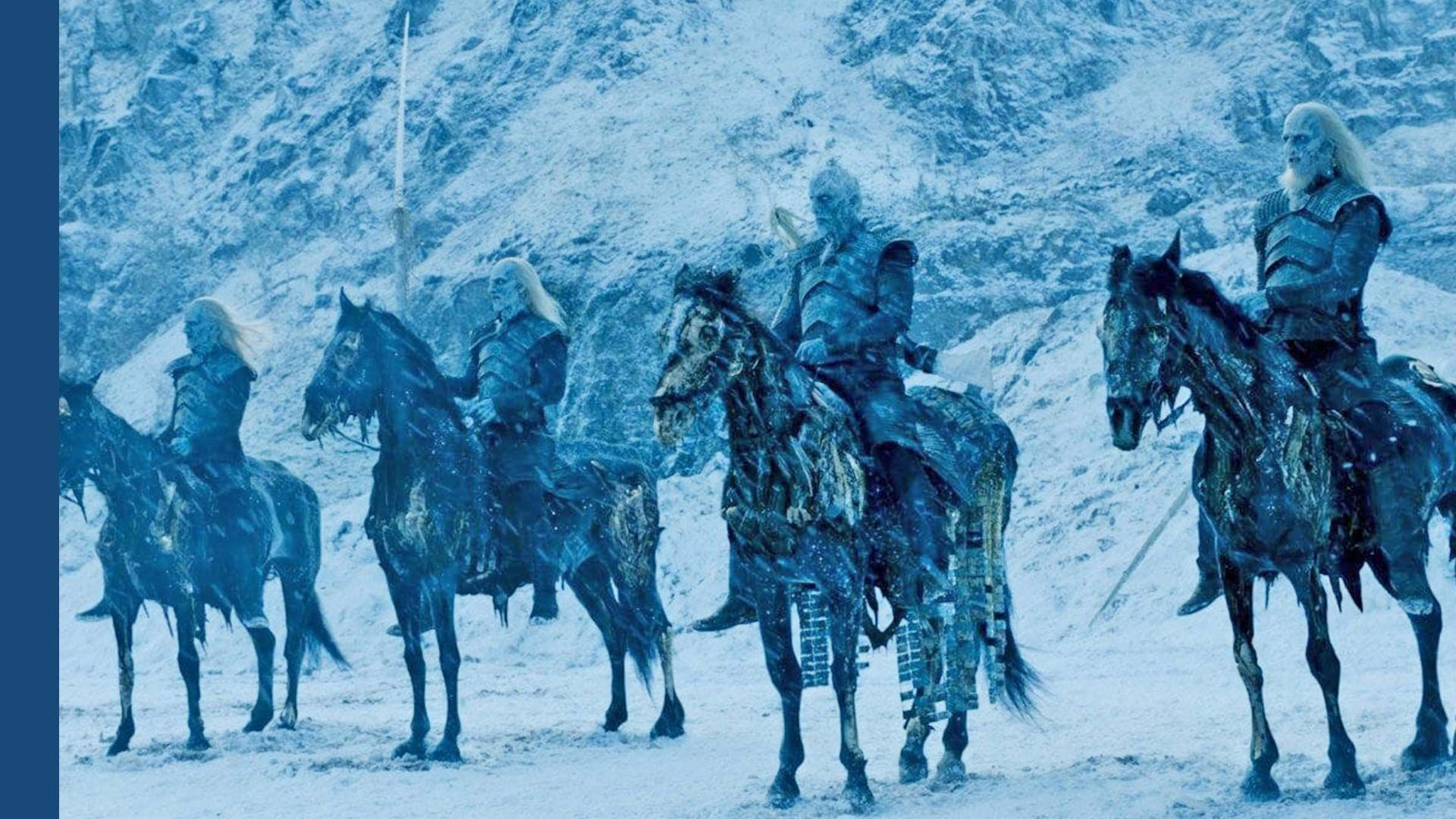
Now, the title of the saga of novels, as we said, is different: A Song of Ice and Fire. This title refers to the less political and more mythical aspect. We’ve talked about fire. The “ice” alludes to an existential threat that goes beyond the conflicts between feudal lords. At the far north of Westeros lies the Wall, a gigantic wall of ice built by the First Men (that is, long before Aegon's invasion and his dragons) to prevent an ancient and icy evil from crossing it and destroying humanity. This is the “white walkers,” generally anthropomorphic creatures but possessing magical powers, one of which stands out: reviving the dead and using them as weapons, an army of ice zombies. According to a prophecy of great importance to the plot, only “the promised prince” (or “the promised princess,” because in the language of the prophecy, Valyrian, there is no gender differentiation in those words) can prevent the apocalypse. Much of the discussion in the fandom revolves around which character will fulfill that role. The series “resolved” it in the worst possible way, but let’s not get into that.
To these narrative elements, we must add three issues that typically serve to contrast this saga with its more illustrious predecessor, The Lord of the Rings (LOTR for short). First, even with its dragons and ice wizards, GRRM's world is the world of realpolitik. Characters no longer fall neatly into those who serve the Dark Lord and those who fight for All That Is Good. Instead, we find ourselves in a tangle of political interests, dynastic and interpersonal conflicts where we often cannot discern light from darkness. And even when we can, motivations are complex and varied. Characters who try to do everything according to clear moral standards can (and often do) die quickly. Others, even if generally virtuous, resort to means that Aragorn, Gandalf, and Frodo would never approve of.
Secondly, the world of GOT (be it the series or the novels) is a notably violent world. It’s clear that LOTR is not devoid of bloodshed, but the differences are notable even if we only compare the audiovisual versions of the sagas. One of Tolkien's many merits is having managed to combine a story of battles and heroes with swords with the world of the Shire and the noble hearts of Frodo and Sam, who practically don’t kill anyone to achieve their goals. This is not the case in GOT, where violence dominates from beginning to end and nothing and no one can escape its empire.
Thirdly, and now specifically referring to the novels, there is an obvious difference in style. Tolkien's is elevated English, at times medieval-sounding, characteristic of a scholar and philologist from the mid-20th century. GRRM improved his prose from the first novel to the last, but his merits are not in prose but in narrative. Those who only seek verbal craftsmanship in literature, or those who think that fantasy should be written in a language worthy of an elf, will find it hard to find his novels very appealing. His merits as a writer lie, in any case, in his construction of a complex world built simultaneously from different points of view, and in his undeniable ability to create characters that feel both close (we often see their thoughts and obsessions) and distant, as they are shaped by power relations that go beyond what most of us will ever experience.
The Retrospective Revival
GRRM's failure to finish his saga and the shameful trajectory of the HBO series did not, despite everything, deal a fatal blow to the universe they created. This is because in recent years the focus has been on expanding backward. The ending may be an unsolvable knot, but there are hundreds of years of fictional history set in an attractive and complex world that has managed to revitalize fantasy in unexpected ways. Why waste it?
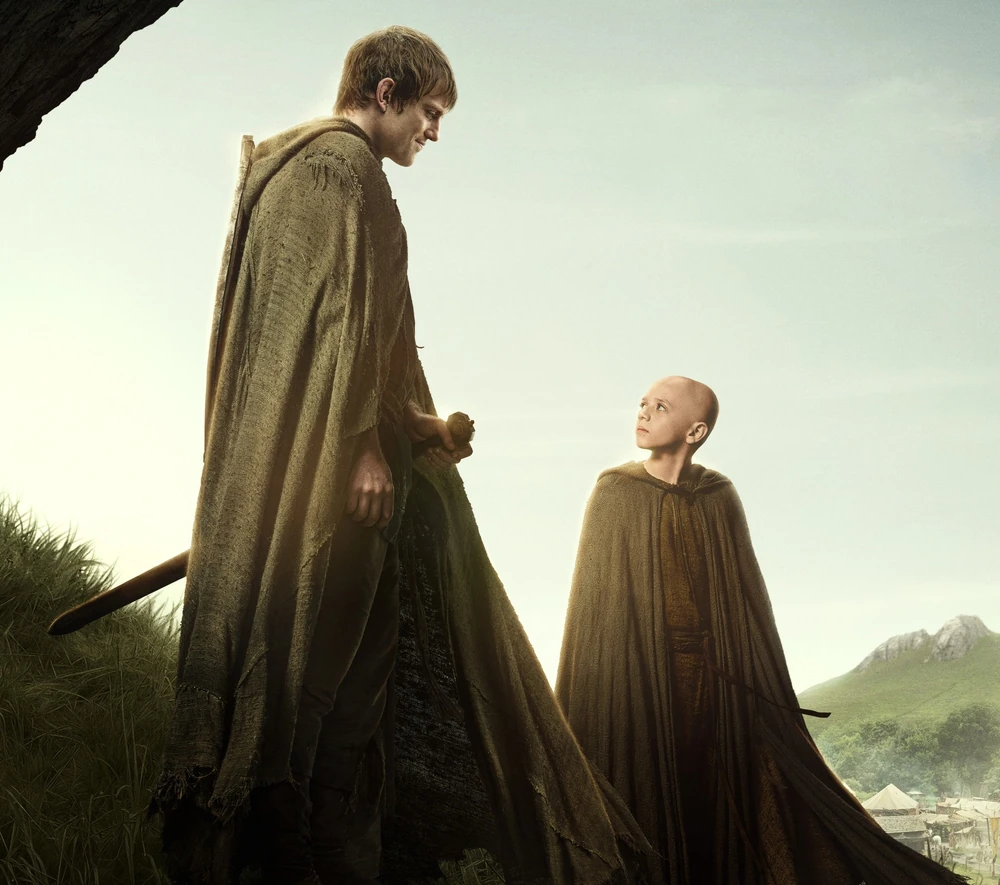
So far, this is seen in two HBO series that are themselves based on works by GRRM. One (whose third season is being released as I write this article) is House of the Dragon, which tells the story of a civil war (or rather, a family feud) within the Targaryen dynasty during the time when they still had a significant number of dragons. It is based on the book Fire and Blood, a chronicle of the Targaryen dynasty. It's not a traditional novel, as it is written as if the author were a chronicler of the fictional world. The second is A Knight of the Seven Kingdoms, based on GRRM's series of stories about the adventures of two characters, Dunk (Ser Duncan) and “Egg” (Aegon), set in a time when the dragons have already gone extinct, but the Targaryens still hold the throne. In this latter series, GRRM is directly involved in the production. Benioff and Weiss, the showrunners of GOT, are not participating in either of them.
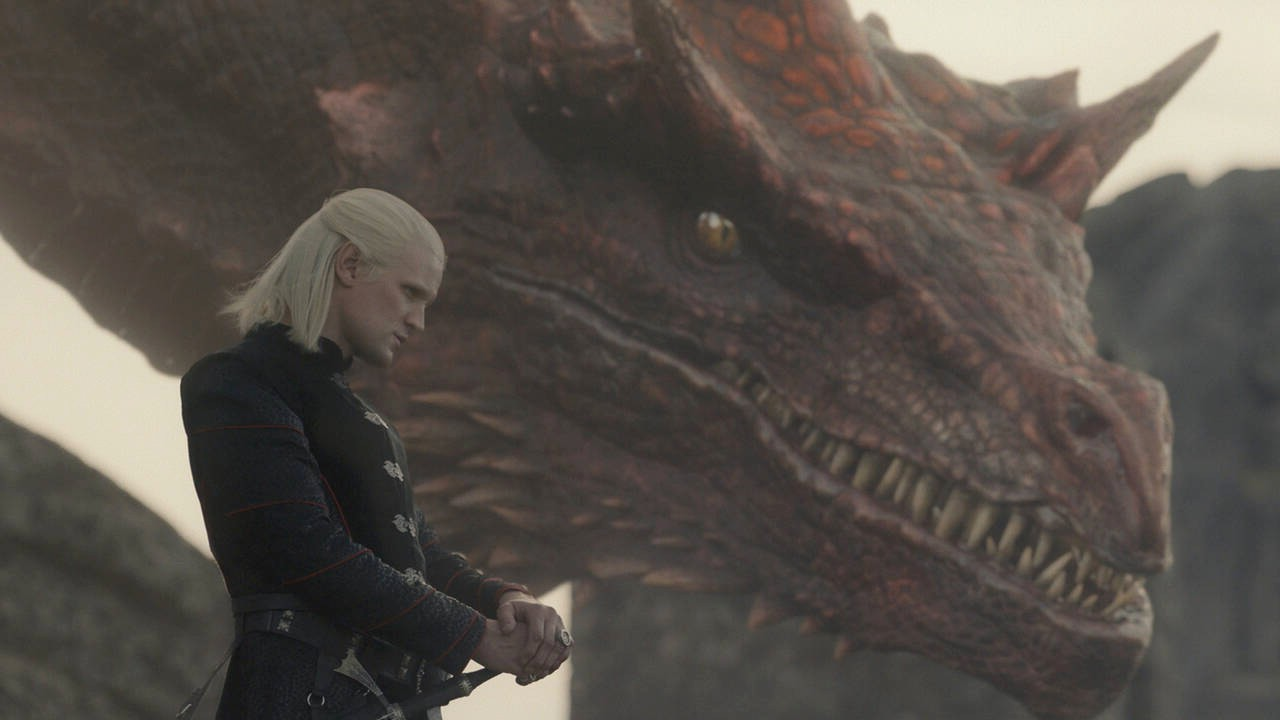
The truth is that both are fantastic, and they manage to stand out from their famous predecessor even if they haven't reached the same level of mass appeal (which perhaps nothing will ever achieve again). House of the Dragon presents us with a conflict where dragons serve as weapons of mass destruction, and court politics intertwine with family drama. You could call it Dragons and Dramas. But the character development, political conflicts, and battles remain top-notch, and the absence of the threat of the White Walkers is hardly missed.
George R. R. Martin's world, on the other hand, still finds breath when it looks back at its past, even though its future remains frozen.
A Knight of the Seven Kingdoms is in its first season, and its minimalist style, centered on the life of a poor squire after the death of the knight who took him under his wing, is both moving and energizing. After more than a decade of morally ambiguous characters, many have pointed out how this series brings back two immediately lovable heroes with no ulterior motives. This isn't about conflicts between twelve or twenty claimants to the throne or their interconnected families that are impossible to remember. A man, a boy escaping from a toxic family, and the desire to become a Knight who fights for justice and defends the weak are more than enough to engage us.
The contrast with LOTR is, once again, unavoidable. Tolkien's universe also tried to expand in recent years, first with the forgettable film trilogy of The Hobbit and then with the series The Rings of Power. But beyond its occasional standout moments, none of those works managed to spark sustained enthusiasm or the feeling of adding something truly indispensable to Middle-earth. Perhaps the story of the One Ring and its destruction is simply too perfect to allow for extensions that don't feel like appendices. Or perhaps it depends on something much harder to replicate: the irreplaceable talent of Tolkien, a writer for whom, for now, there seems to be no possible successor. George R. R. Martin's world, on the other hand, still finds breath when it looks back at its past, even though its future remains frozen. And so we continue, sixteen years after A Dance with Dragons, with the failed television ending of Game of Thrones looming in the memory of viewers and with the unfulfilled promise from its author to give a final meaning to one of the fictional worlds that many of us learned to love.
Las notas de 421 no tienen paywall
Y a cada colaborador se le paga por su trabajo. Las dos cosas dependen de los suscriptores.