Onimusha: Way of the Sword. The Evolution of a Capcom Classic
Capcom is reviving Onimusha 20 years later, adapting it to modern AAA standards. Is it a masterpiece or a victim of today's design trends?

Capcom is reviving Onimusha 20 years later, adapting it to modern AAA standards. Is it a masterpiece or a victim of today's design trends?
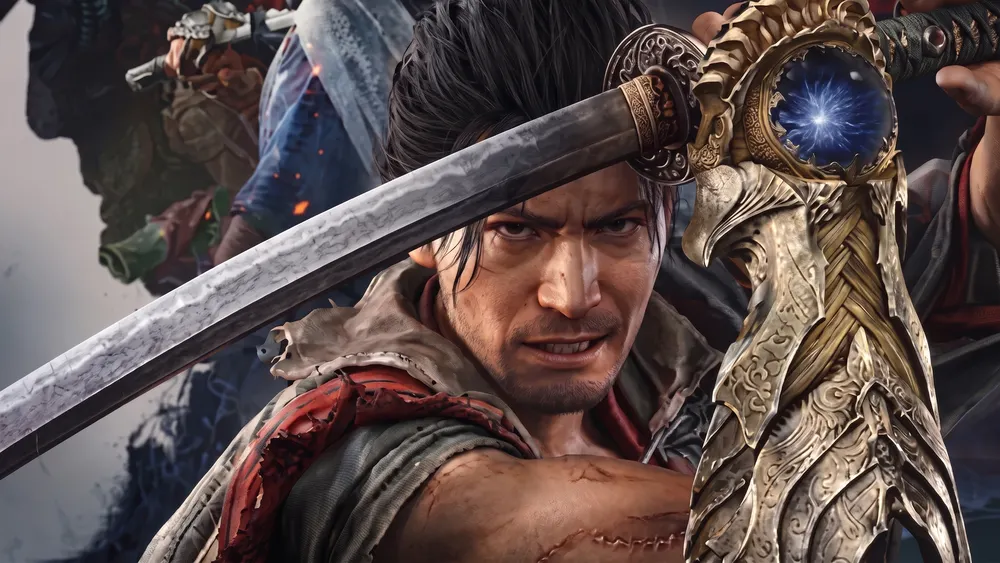
It's the year 2001. Capcom releases a title called Onimusha: Warlords for the launch of the beloved PlayStation 2. This work began as an experiment for a Resident Evil spin-off, but set in Japan's Sengoku era, featuring ninjas and samurais. After some ups and downs in development (it was originally meant to be a title for the first PlayStation), the original idea evolved. The result? A Resident Evil with katanas and demons, as it is often remembered.
The swordsman Samanosuke Akechi receives a letter from his cousin, Princess Yuki, asking for help because she senses something bad is about to happen. When our protagonist arrives at the castle, Yuki has already been kidnapped by Genma (demons), and we must rescue her. We are thrown into a setting with pre-rendered backgrounds (like in the survival horror games of the PSOne era) and we move with the classic “tank controls” (same deal).
After some ups and downs in development, the original idea evolved. The result? A Resident Evil with katanas and demons, as it is often remembered.
Quickly, we encounter our first battle against two Genma, and our basic attacks aren't enough to make an impact. As if that weren't enough, a much larger Genma appears, lands a hit, and it's lights out. Samanosuke is revived by a group of Oni, another type of yokai/demons from Japan, translated as “ogres” in the English version. The swordsman receives a special gauntlet that grants him greater strength and the ability to absorb souls of different colors with various benefits. Now the real game begins.
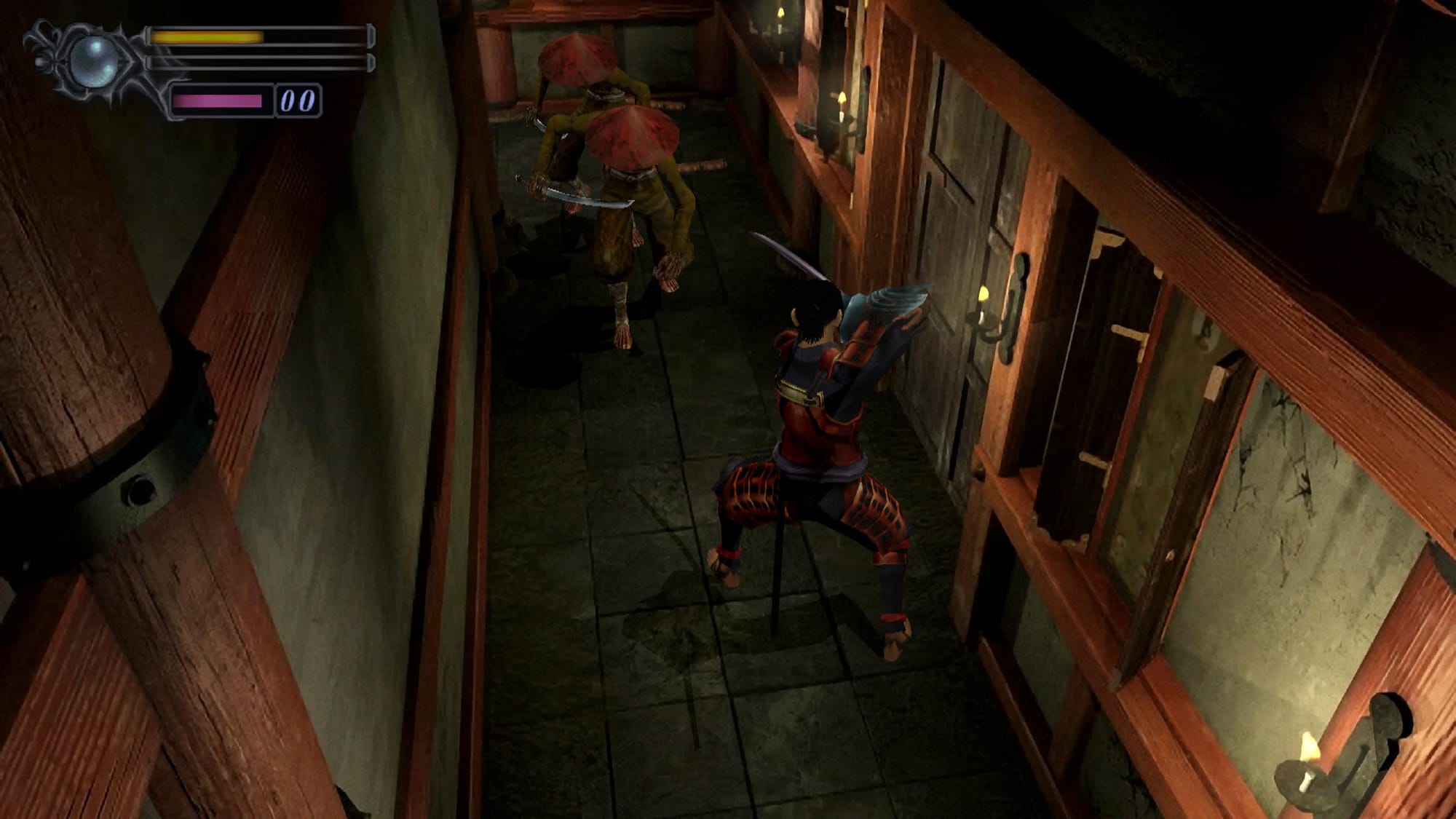
Onimusha: Warlords lays the groundwork for many future action games, and experiencing it today is fascinating. The management of space is a key concept in every battle: whether we're in narrow hallways or more expansive areas, mashing the basic attack button repeatedly doesn't guarantee we'll hit the enemy. Even with “lock-on” activated, looking directly at our opponent. We need to calculate the distance between us, how far our katana reaches, what the enemy is doing (often capable of jumping around), and how our environment is laid out. Since this title uses fixed cameras, like classic Resident Evil, we often can't see ourselves properly in hallways because the Genma are in the main angle, or we get hit by creatures that are off-screen from our current view.
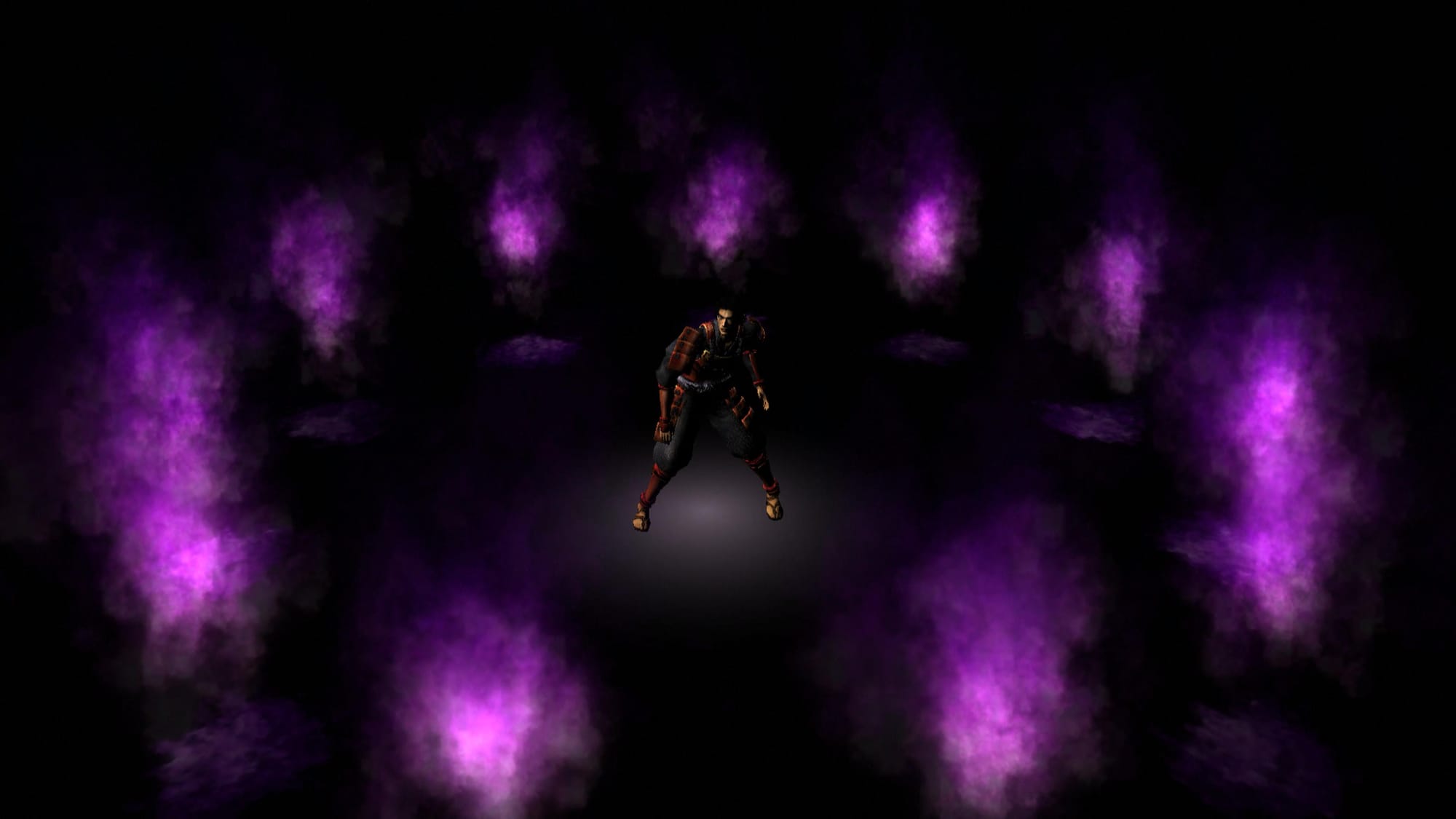
Combat has a simple setup, and while we do receive some new moves through magic and specific items, our repertoire remains quite clear during the four-plus hours of the adventure. Well, almost. Although there's a tutorial window at the beginning of the game explaining some buttons, nowhere, not even in the manuals that came with the disc (remember those?), is a move called Issen mentioned, a mechanic that would become crucial in the rest of the series. It was discussed in magazines, on early forums, and spread by word of mouth. Similar to the concept of parrying (blocking or attacking at the same time as receiving an attack to trigger a special effect), if you land a slash on the enemy at a key moment, just before taking a hit, Samanosuke quickly sidesteps and delivers a special blow to the enemy. You can attempt this with any enemy, even bosses, to deal significant damage in one hit and clear your path. However, if you miss the precise timing, you take damage. I repeated the mistake a couple of times and found myself back at the game's main menu.
Onimusha: Warlords lays the groundwork for many future action games, and experiencing it today is fascinating. The management of space is a key concept in every battle.
With these precise combat mechanics, Onimusha: Warlords completes the experience with levels featuring an art direction that blends visions of Japan from that era with fantasy, clear stage designs that start and end in view, a lot of back and forth (especially for doors and items you can't unlock at the moment), puzzles with minimal hints, supporting characters that appear and disappear, and texts we can find and read to uncover tales, horrors, and what life is like in this magical universe. It was a beloved work by both the public and the press, and the first game on PlayStation 2 to sell a million units.
It's the year 2026. Twenty-five years have passed since the first Onimusha and twenty since the last, Dawn of Dreams. Capcom seems to be having a great year, with the ninth installment of Resident Evil selling at full and being well-loved by its fans, and with the unexpected success of Pragmata, a new IP. As if that weren't enough, Onimusha is reborn after two decades with Way of the Sword, and it seems to be another hit of the year, both in sales and reception. I'm not so much interested in commenting here whether this work is good or not (it is!), but rather what we find in these twenty years of separation.
Miyamoto Musashi wins a sword duel against a master from a school, Yoshioka Seijuro. Seijuro's students must honor the fallen in battle; Musashi tries to escape as best he can. At one point, he crosses paths with Sasaki Ganryu, one of his eternal rivals, and the swords dance once more. We win this fight, which serves as a tutorial for the buttons and the most basic moves, but not really: Musashi and Sasaki are killed by Genma that appear out of nowhere. The protagonist is on his way to hell, but a mysterious figure, represented by an old man dressed in white, revives him and gives him a special gauntlet that grants him supernatural strength and the power to collect souls from defeated Genma. Now the real game begins.
To say that Onimusha: Way of the Sword has greater technical prowess than the original is a redundancy. What’s interesting is to see what it does with all that potential. For starters, there are many more cutscenes, and they are longer, showcasing events or simply our character doing something spectacular (Musashi, arrogant and very sincere, is just too cool). Capcom excels at these segments and knows how to make them last just the right amount of time without making us feel like it takes too much control away, elevating production values and presenting other scales. Nothing surprising here. Additionally, all animations, both in these cutscenes and in real-time combat, have a level of detail and fluidity that leaves you in awe. Again, this is to be expected from one of the most important Japanese studios today.
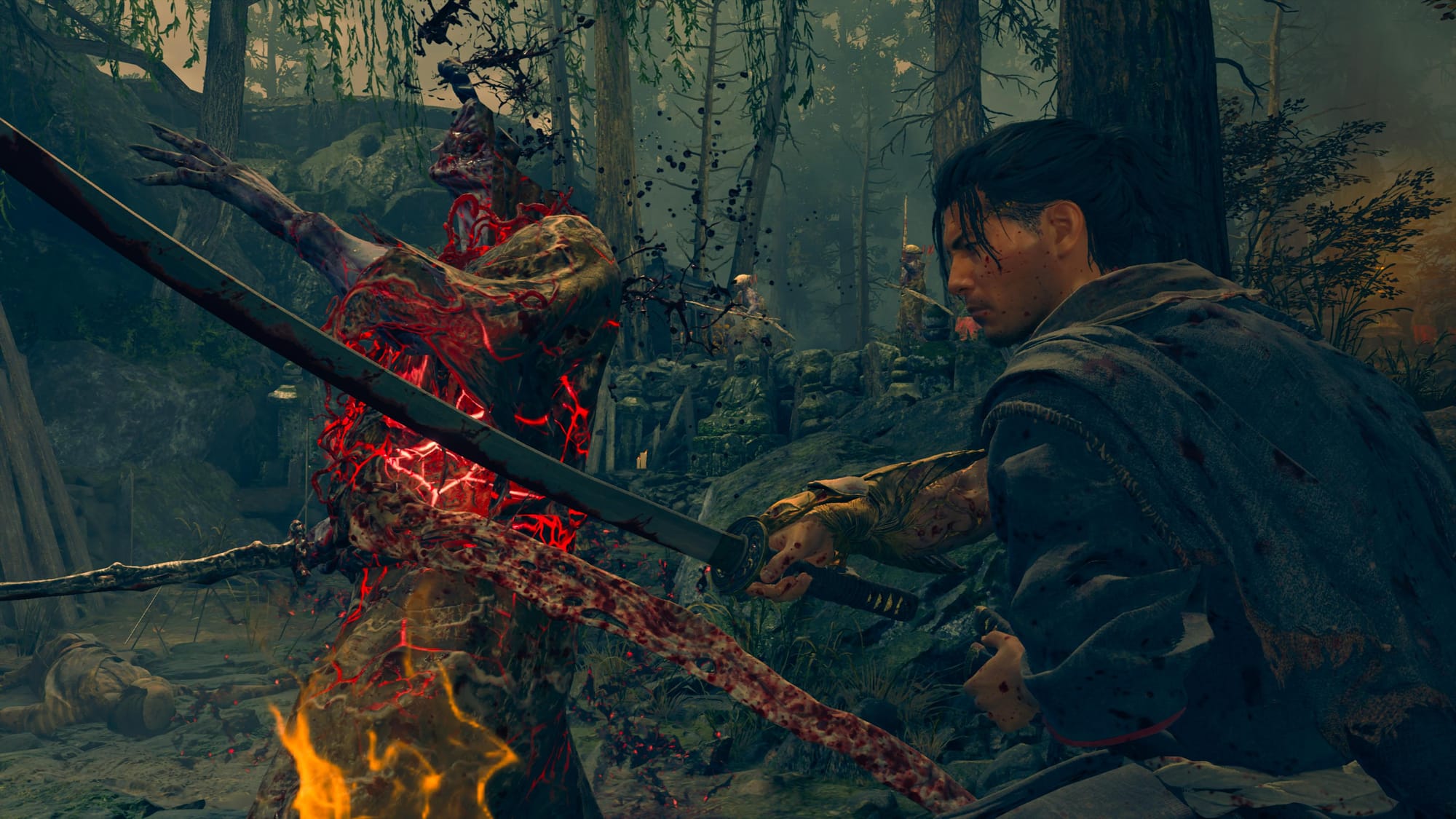
Fixed cameras and tank controls, on the other hand, have mostly been reserved for indie experiences, mainly those that pay homage to or borrow elements from classic horror titles. Now we control the camera almost at will, movement is more intuitive, and the environments are usually much more open.
Musashi repeats the basic repertoire of moves from his predecessor but integrates everything that has happened in hack and slash and third-person action games over the years. For example, we can easily dodge to the sides with a button, distinguish between quick and heavy attacks, have a posture bar to break for massive damage, and a parry system akin to Sekiro (FromSoftware, 2019), the ability to deflect attacks (requiring more precision than a parry) and the classic Issen (with an even smaller window than the deflections). This is complemented by special weapons, upgrades, and unique abilities that we unlock, but fundamentally, the magnetism. I mean, that feature popularized by the Batman Arkham saga (Rocksteady) that then spread across many games in the genre.
To say that Onimusha: Way of the Sword has greater technical prowess than the original is a redundancy. What’s interesting is to see what it does with all that potential.
While there are still certain rules regarding space and distance, they are much more relaxed. I can hit the attack button and my character will “pull towards” the enemy to strike, regardless of where I'm standing, as long as I'm in range. I don't mean to say that my position is no longer relevant, but that need for more precise, calculated positioning has diminished. I reiterate, this magnetism is something quite normal in action games for a couple of generations now. Qualitatively, it doesn't boil down to “better or worse,” but rather to constructing the game of rhythms, attacks, and counterattacks from a different perspective, usually more friendly, at least at first glance.
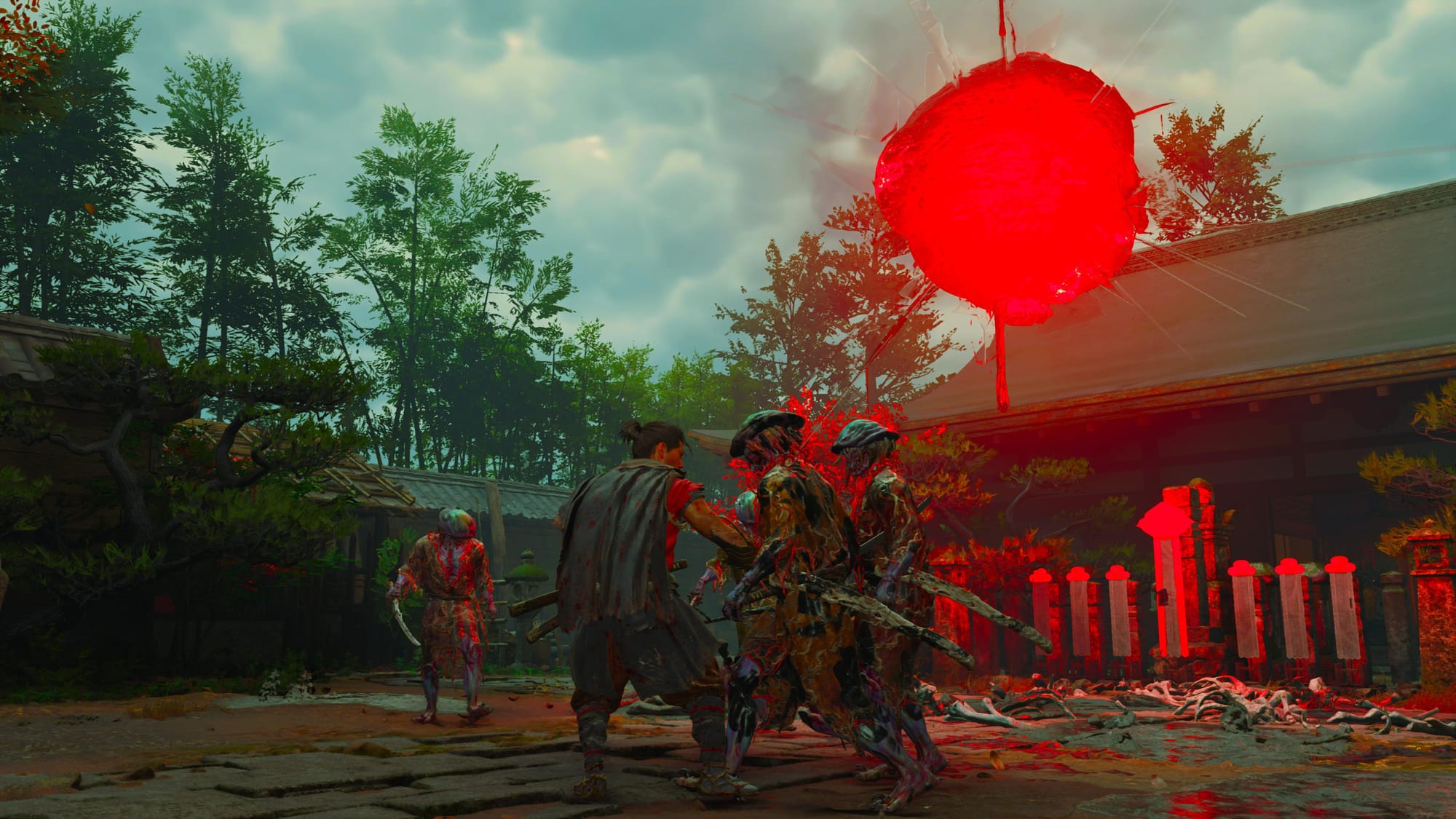
Another modernization we quickly notice, usually associated with the Assassin’s Creed saga (Ubisoft), is that when fighting a group of enemies, they attack us one at a time, as if they have a predetermined turn. Sometimes this is broken a bit with enemies that can shoot an arrow from a distance while another comes to attack us up close, but broadly speaking, it holds. This is something many action game fans hate due to the passivity and apparent lack of challenge it presents. A tweet has gone viral where, ironically, someone recommended the game's combat and many stopped to comment on this turn-based aspect.
I don't consider this behavior mode to be inherently good or bad. It's true that the early fights become easy, especially against enemies we can defeat just by repeatedly using the basic attack. But what I understood over the hours is that it allows us to gradually delve into the different mechanics of the title, giving us some immediate gratification, breaks between bosses (without a doubt, the best part of Way of the Sword, with battles that ramp up in difficulty), and forcing us to improve when, halfway through the adventure, everything starts to change. I still hold it against Capcom that they lock the hard difficulty from the start in all their recent games (you have to finish the game once to unlock it), but I would be lying if I said all my hours were a walk in the park. At the same time, I could elaborate on how a certain game series (Dark Souls) seems to have ruined our perception of difficulty in games of this style (the original Onimusha games are considered “easy games”). However, that deserves its own write-up. Ultimately, if the combat stimulates you, presents tensions and/or some friction, with options to choose from depending on the context and enemies that are more or less reactive, we're on the right track.
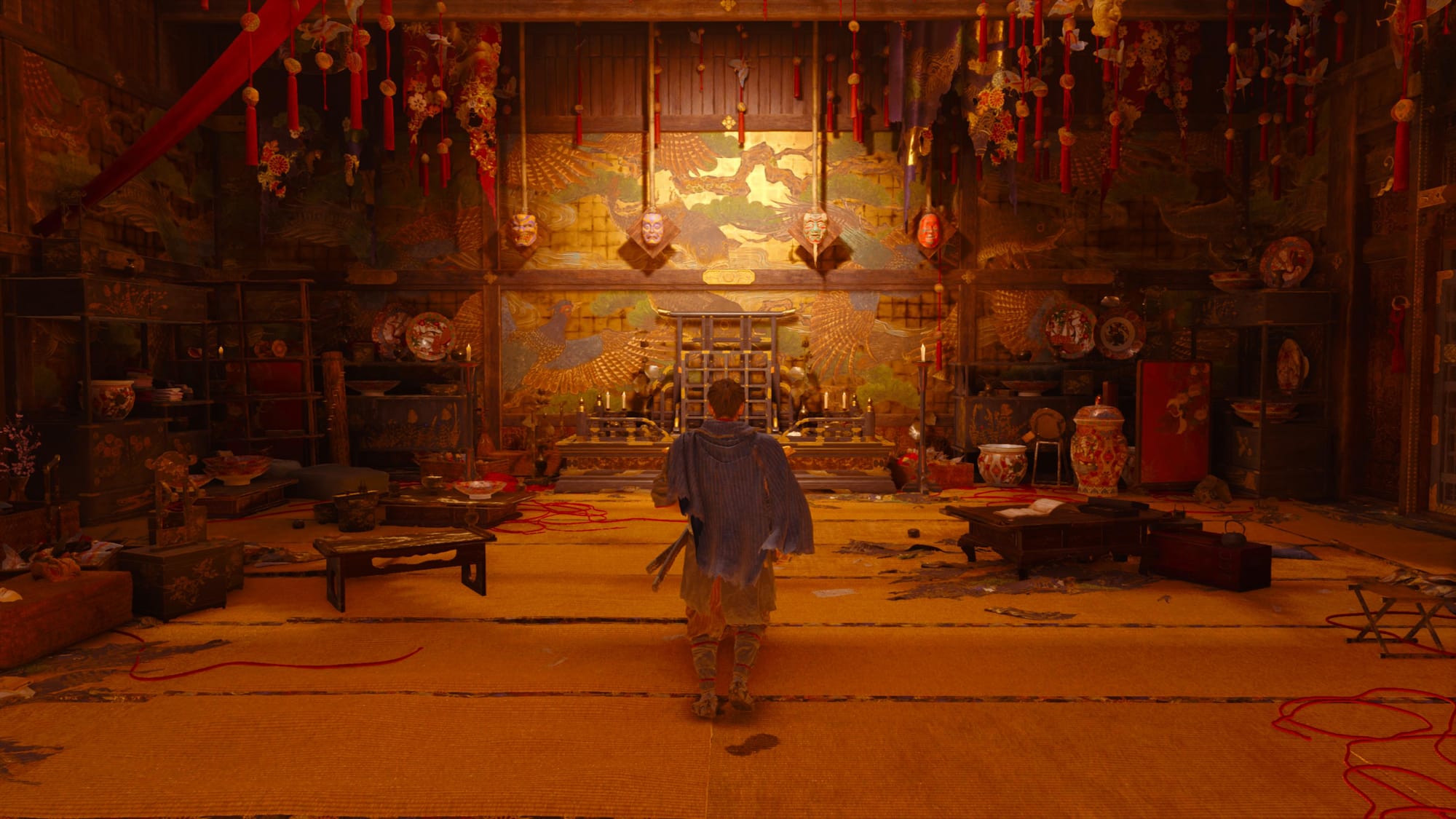
These two major elements I've described about Onimusha: Way of the Sword didn't ruin my experience, although they did sow doubts at first. However, they are not the only symptoms of how Capcom adapted a classic approach and version of the genre to modern times. For starters, while Warlords had backtracking and a somewhat interconnected world, Way of the Sword presents us with a village with inhabitants, streets, and many locations to visit, complete missions, and return. I'm talking about our main missions, but the village is also unnecessarily filled with side quests and collectibles that stretch our playtime in a rather inorganic way. I'm not saying it's all disposable, but there are objectives like “find this, fight that one, seal this rift” that repeat multiple times in scenarios we've already traversed. There are mini-bosses that we will also see over and over again, sometimes in different colors, to give us more fights. These are battles I still enjoy, and I even find it gratifying to see my evolution with Musashi compared to the initial encounters, but the repetition is hard to ignore.
After twenty hours, I think it's a great work that could be even better with cuts, without filler, and with a much more balanced pacing.
There are more linear scenarios in Way of the Sword. Many main missions force us to go to remote areas of the village and explore other locations. They are usually quite good, and one in particular, set in a laboratory, struck me as excellent for its atmosphere, the terror of the transformations that take place, and its way of telling small stories through its design. Its journey was somewhat overshadowed by Musashi's gauntlet, which now has the presence of a magical and mysterious woman, who tends to comment on many things all the time. I don't mind the role of the “chatty sidekick” in action and adventure games, which has been common for a while. The stories tend to be interesting, you grow more with the characters and their relationships, etc. What I do dislike is the impossibility of silence. I can't stand in front of a puzzle (of which there are few) for ten seconds without it wanting to give me unsolicited help. I also don't understand the need to tell me “now, use that ability to break the defense!” against a type of enemy whose defense I've already broken fifty times.
All of these are ingredients that reflect certain manuals and ways of adapting a saga to modern times, with strengths and flaws that flood the AAA industry. Flaws that I can understand to a certain extent: making video games today is incredibly expensive, and the same goes for buying them. The four or five hours you could get from a playthrough of the original Onimusha would be met with pitchforks and torches today. Many teams find themselves forced to offer open worlds, collectibles everywhere, and try to stretch the experience as much as possible. I still haven't finished Onimusha: Way of the Sword, but after twenty hours, it feels like a great work that could be even better with some cuts, without filler, and with a much more balanced pacing. At the same time, I don't want to stop playing it, and every new encounter with a special enemy is etched in my mind and in my fingers. It's fascinating to think about the vastly different ways of doing things back then and now, without falling into the cheap reductionism of 'everything past was better.' All that's left is to sharpen the sword further and ensure that the pursuit of greatness, spectacle, and grand scales doesn't end up being just a bunch of colorful trinkets.
Y a cada colaborador se le paga por su trabajo. Las dos cosas dependen de los suscriptores.