Cybershock: Frenzy in a Cyberpunk, Neon Runner Game

Cybershock: Frenzy in a Cyberpunk, Neon Runner Game
What happens if we mix the gameplay of Mirror's Edge, the Vaporwave aesthetic, and a cyberpunk environment, throw it all into a Unity package, and bake it for forty-five minutes?
We end up with a beautiful first-person game in shades of violet and high speeds called Cybershock: Future Parkour.
In our quest to deeply explore the national video game industry, thanks to our project submission form, I stumbled upon a description that immediately caught my attention:
“Action runner in a neon cyberpunk world. Parkour and shooting at speed to dodge obstacles and reach the finish line as quickly as possible.”
Type of game, environment, mechanics, objective. Simple, clear, straightforward. Plus, it was about time I broke my streak of pixel-art games.
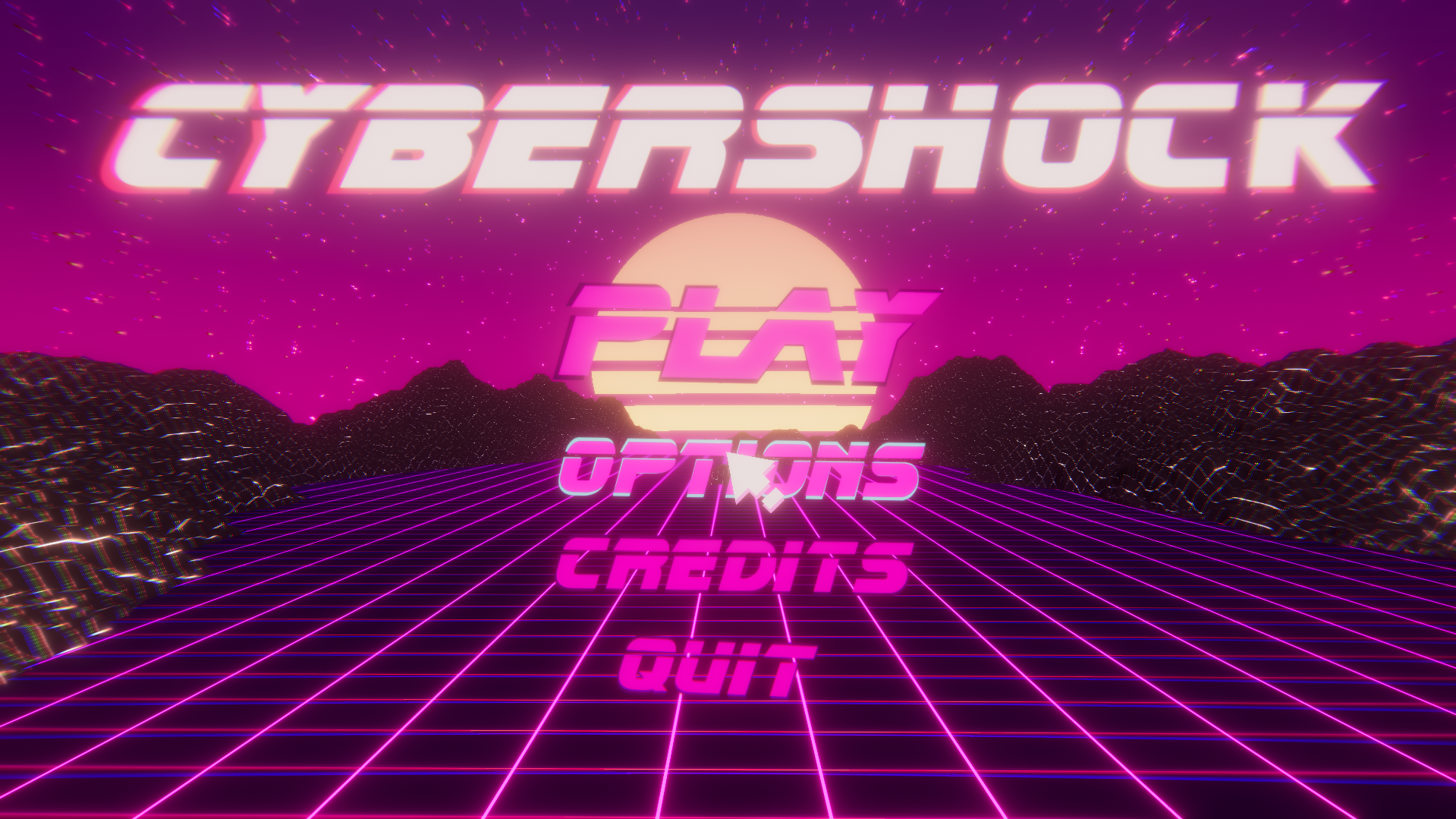
Cybershock, designed by Javier Federico Goldschmidt, Matias Juvé, and Tomas Peters using the Unity engine, proposes a clear objective: run as fast as you can, dodge everything in your way (and shoot anything you can't dodge), and reach the finish line before the virus gets you. You can jump, slide, run on walls, and shoot like crazy, as long as you have bullets. Bullets are picked up as you run and are limited, so you need to be precise.
It proposes a clear objective: run as fast as you can, dodge everything in your way, and reach the finish line before the virus gets you.
It's important to highlight the great job Cybershock does in developing and utilizing the proposed aesthetic. From the music, which in true Timecop 1983 style accompanies the frenzy of the gameplay and each screen, to the textures and everything interactive, the game says, “You’re inside a mega Commodore 64, buddy.” Being two aesthetic branches of the cyber world, both Vaporwave/Synth and Cyberpunk have a lot to explore and achieve a distinctive recognition for the game, something the designers understand and delve into. For everything else, pure gameplay.
In essence, it's a game that's more repetitive/replayable than a single story or challenge developed over time. Each screen has its timer to measure our performance, and in the end, it computes everything like an old arcade on the coast: you have to achieve the best time, otherwise, why are you playing?
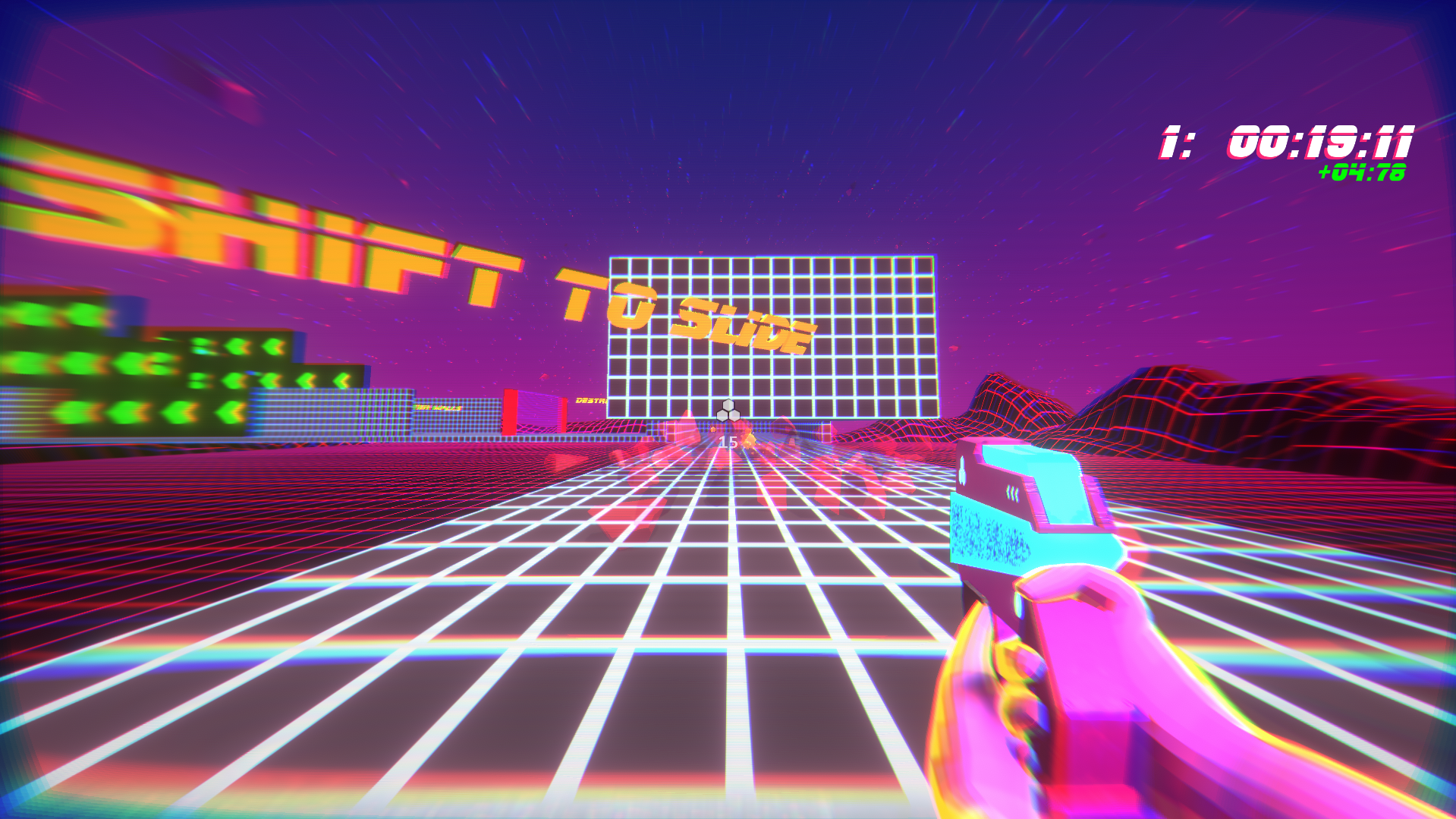
Each level has its formula: it starts a bit straight to gain speed and acclimate, introduces some variables, explodes those variables in the middle, and combines a final stretch with obstacles to reach the finish line. And as it introduces variables, it includes them erratically in later levels. There are levels where you jump a lot, others where you slide a lot, others where you shoot a lot, and others where you do a bit of everything, which ultimately challenges our hand-eye coordination.
As in any speed and distance game, physics plays a central role: at times it can complicate our existence, as you have to get used to how your character will react when bouncing off walls, or how you land the jump to another platform. It really takes time and effort to get used to it. This is my critique: at times I feel like the controls lose a bit of responsiveness, which in a normal situation isn’t usually a complication; but in a game that aims to maintain a very fast momentum, it can ruin your timer. Patience.
The level design, in addition to the formula I mentioned earlier, manages to surprise and create a sense of uniqueness without the need for names (they're just numbered). The rhythm generated by some levels is such that in one where there are plenty of turns and ups and downs, I got a bit dizzy (which, for me, is a positive thing). The choice of textures to differentiate platforms and surfaces makes it much easier to detect the next steps while at high speed.
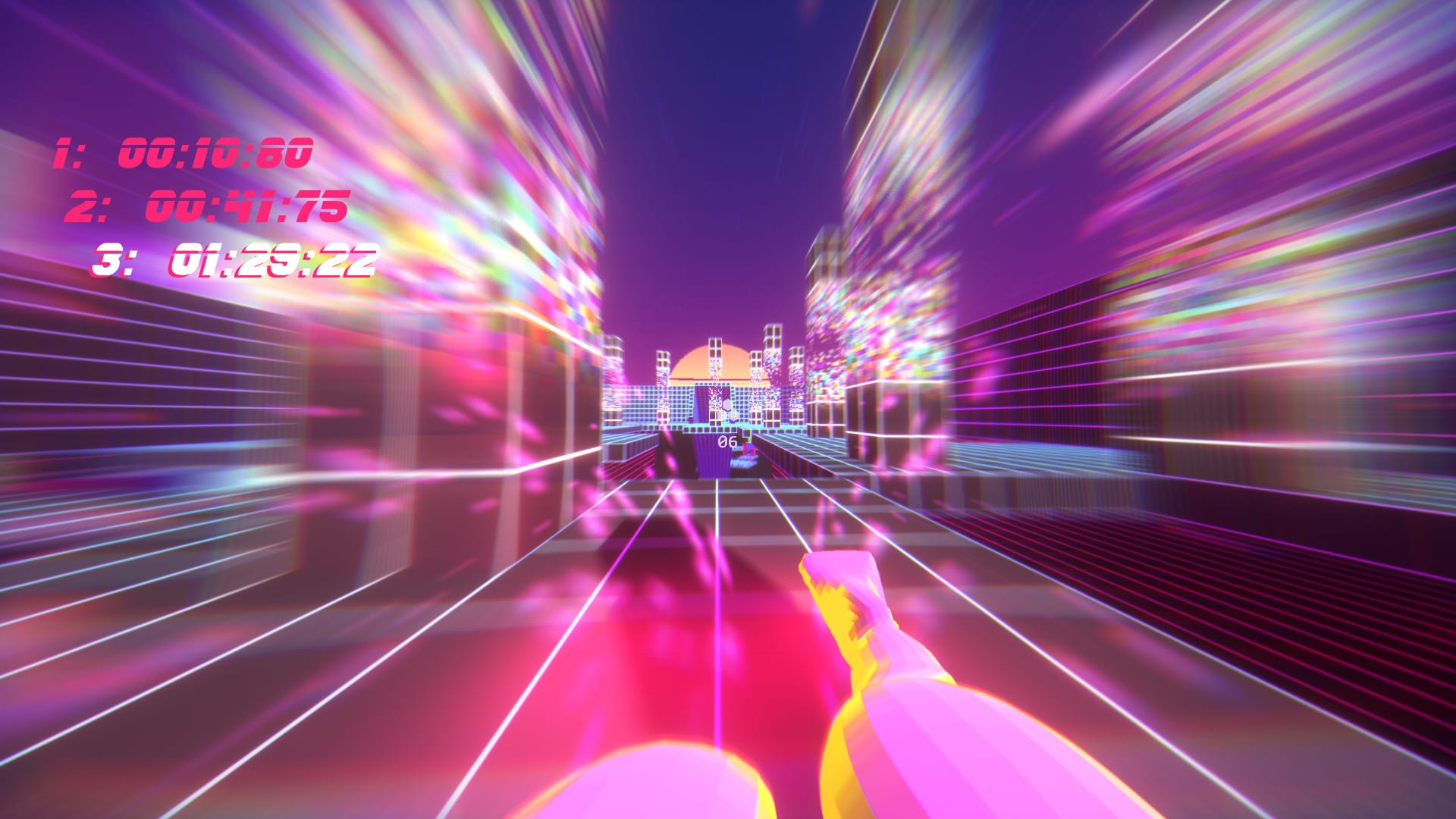
A fast, entertaining, addictive game that adds its small grain to a current aesthetic of digital culture. Cybershock manages to combine its appearance with a type of gameplay that always surprises due to its rarity within the industry.
You can currently find it on Steam at a friendly price (a quick recommendation to kill some time during those inevitable waits we have while on the computer).
Remember that if you, your team, and/or your studio have a published game or a project in demo stage, you can submit it to our form for us to take a look at in this Sunday column.
Las notas de 421 no tienen paywall
Y a cada colaborador se le paga por su trabajo. Las dos cosas dependen de los suscriptores.