Electro Andes: Cyberpunk Anime Made in Argentina
The Argentine anime Electro Andes blends cyberpunk and folklore in a brutal Andean dystopia.
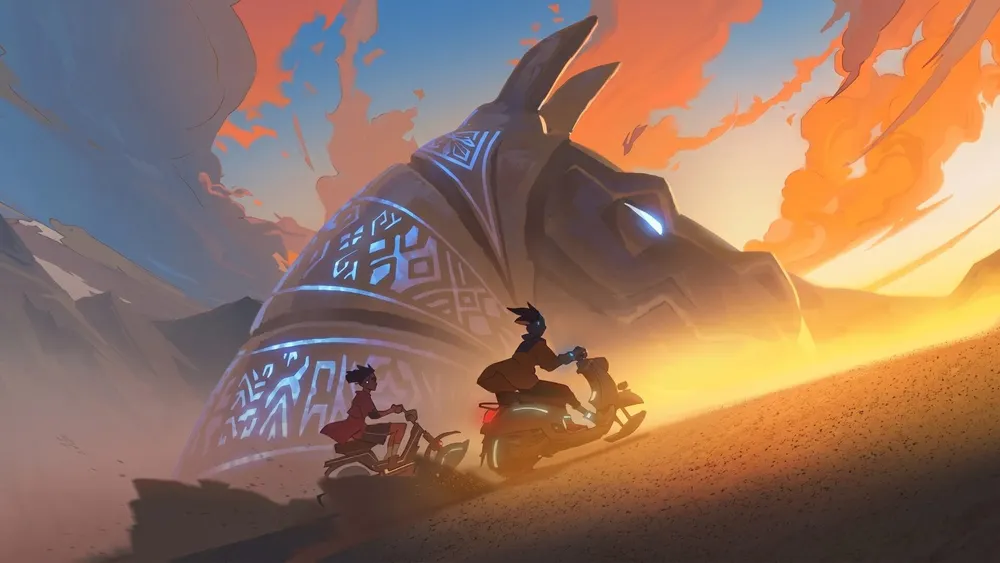
With a full house, the premiere of the first episode of Electro Andes took place last Monday at the headquarters of the General Association of Cinematographic and Audiovisual Directors (DAC) in Buenos Aires. The anime from the Argentine studio Bellolandia combines cyberpunk aesthetics with landscapes and imagery from northern Argentina. The team (led by Nacho Malter, director, founder of the studio, and showrunner, along with co-director Damián Fernández Gómez and production head Mika Gabot) took the opportunity to discuss how the idea was born, what happened when they showcased it in Europe, and what’s next for a production that they claim has no limits.
From Akira to the Puna: the references behind the style
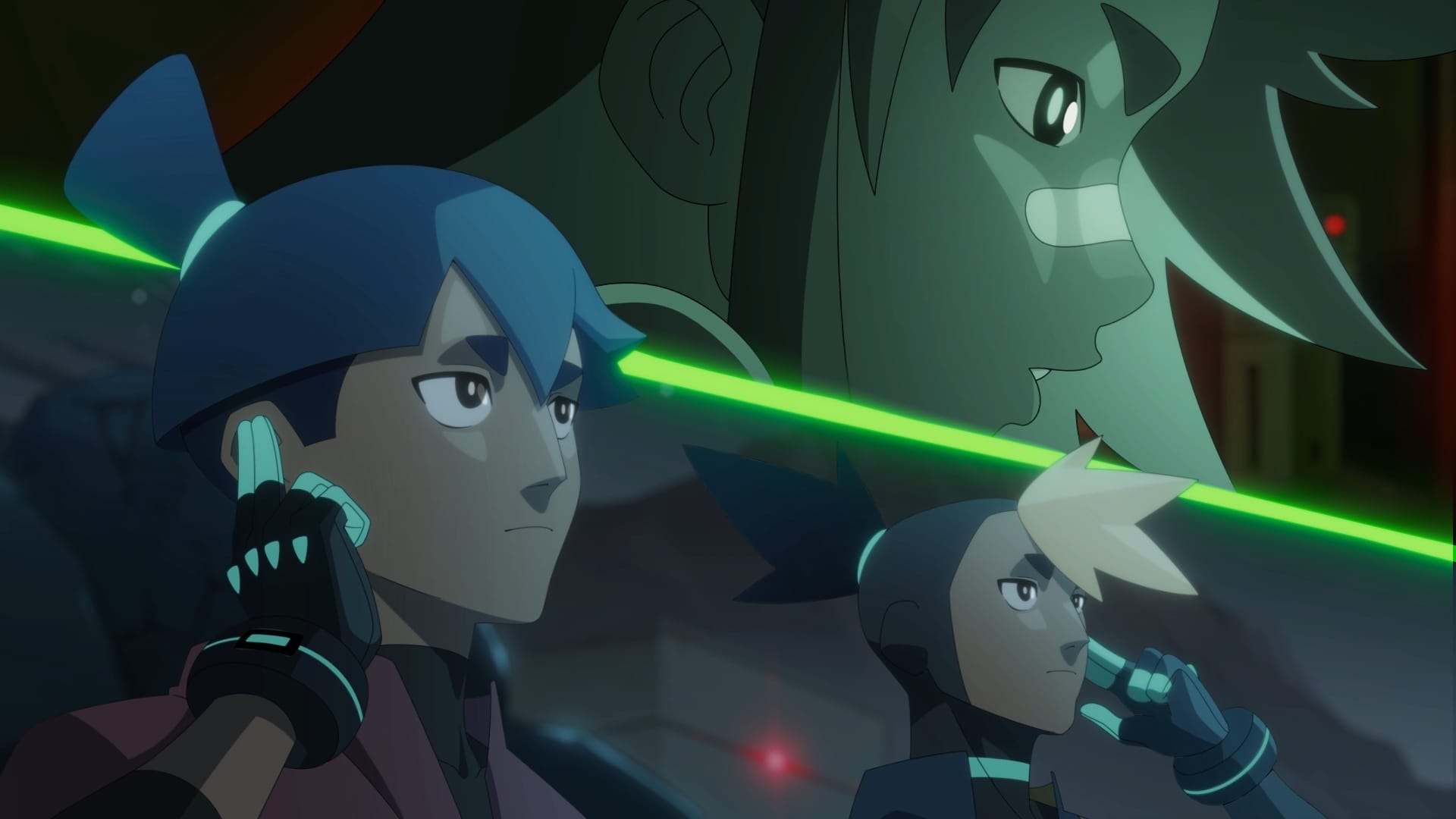
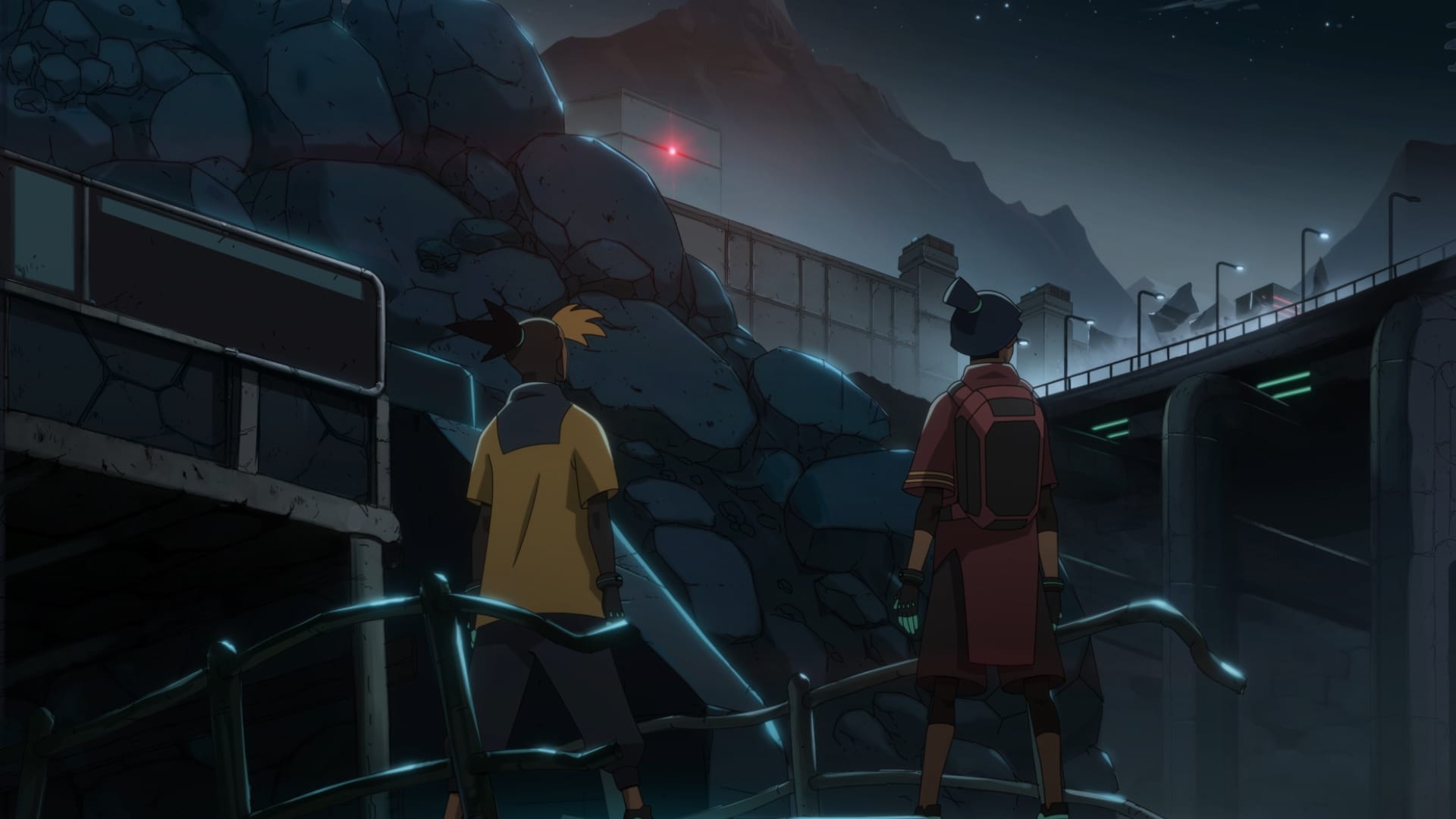
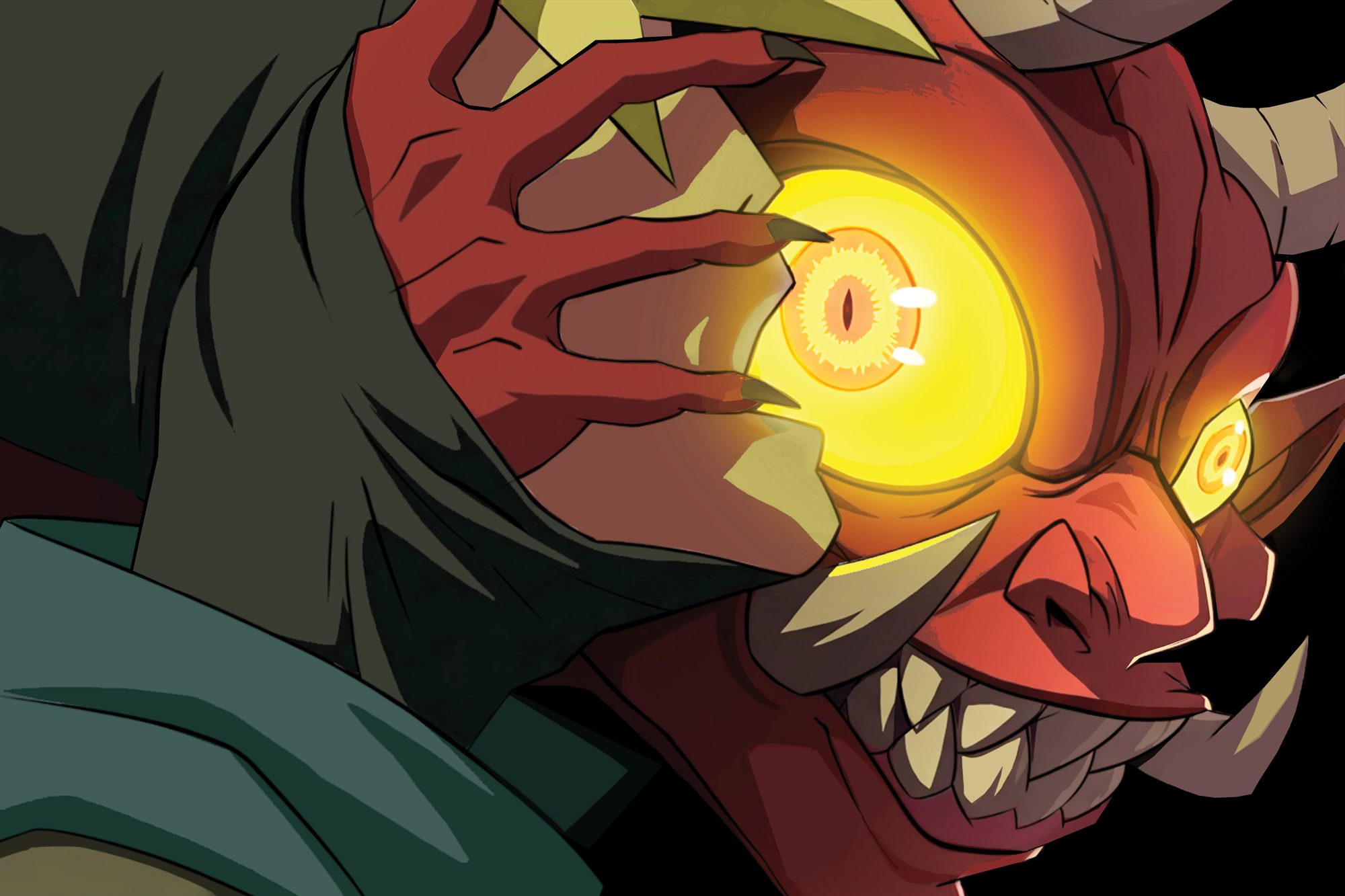
The story unfolds in a near future where ecological collapse coexists with cutting-edge technology and the traditions of the Andean region. Cal and Pietro, two brothers, are searching for their grandfather, Tata, who disappeared while working in a mine alongside thirty other people. To find him, they reluctantly join a resistance cell that aims to infiltrate Black Mountain, the mining megacorporation that is recklessly exploiting the resources of the settlement Arcadia Iruyana. Along the way, the brothers discover that something much older than any machinery is awakening deep within the mountain: an ancestral demon.
The anime from the Argentine studio Bellolandia combines cyberpunk aesthetics with landscapes and imagery from northern Argentina.
Nacho Malter, its director, clarified during the presentation that the dystopia is geographically inspired by Iruya, Salta, and has a strong mountain identity. The layer of Andean symbolism is evident throughout the first chapter, that much is true. For example, there are two figurines in a kind of incense burner, which are Killa and Inti, sun and moon in Quechua. Or Pietro, one of the protagonists, at one point makes a gesture as if to bless himself, but in reality, he is making the mountain sign, a triangle. As Malter explained, this strategy of adapting local culture is similar to what an international blockbuster used to build its own world: "Game of Thrones represents a fictional version of European culture without making a literal representation. We tried to approach it similarly: to feel Argentine, but without being specifically Jujuy or specifically Salta."
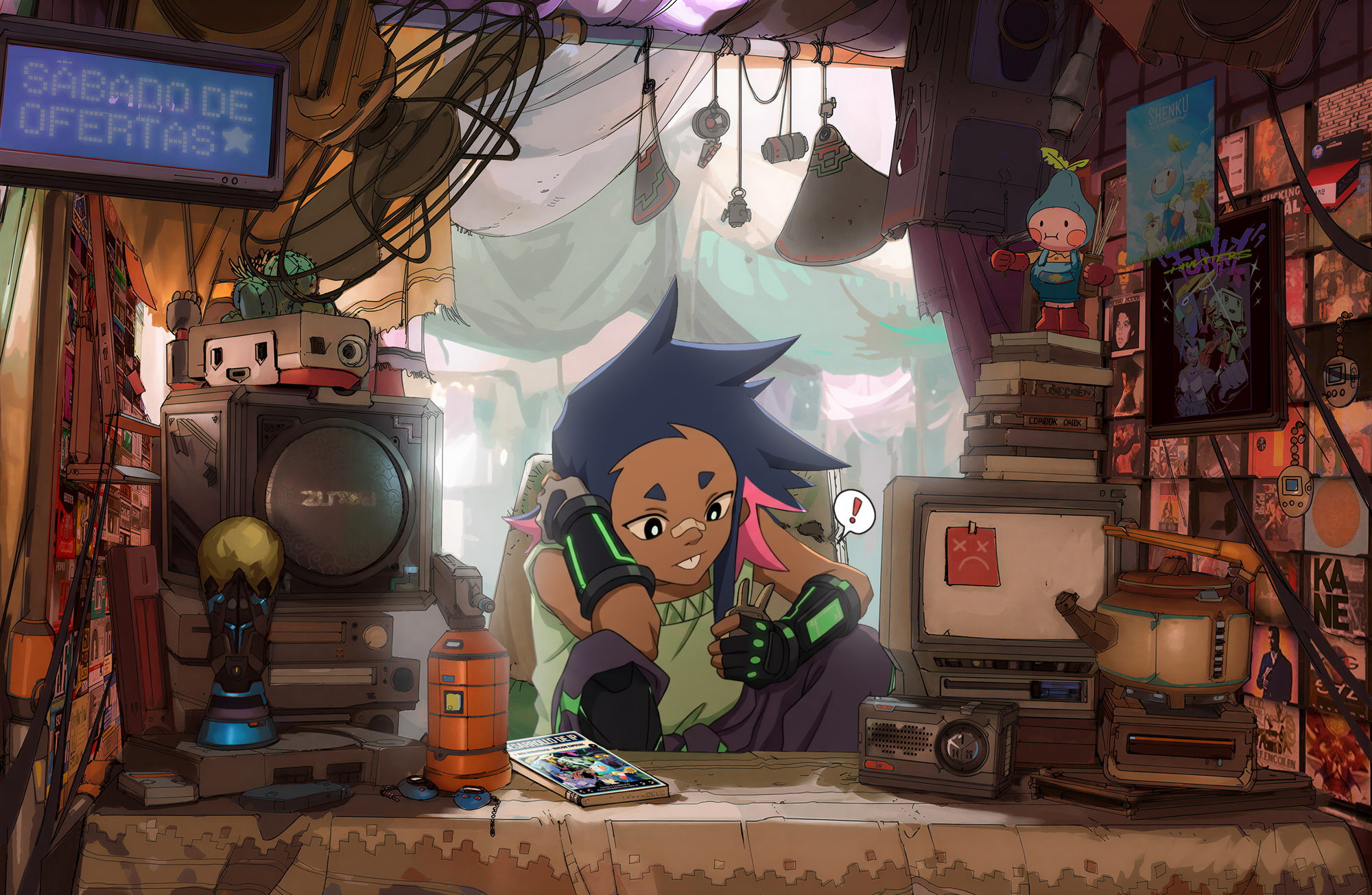
The Andean reference doesn't stop there: a real mining town from the Peruvian Andes, La Rinconada, was also used as a mirror, which is the highest human settlement, built solely around mining production. "There's conflict everywhere, areas where they warn you to be careful because they shoot there," the director described. The harshness of this locality allowed Malter to frame the story within the genre's own rules: "cyberpunk always has this dystopian aspect, but also a class struggle," he said.
But what is the first chapter about?
There's not much to say without giving spoilers, but I'll try to share some impressions. The first part introduces Cal and Pietro. It shows where they live and the threats they have to face (there are giant mechs roaming the mountains that attack travelers). The rest of the chapter is a whirlwind: we dive into the Arcadia Iruyana settlement, meet Kiwi, the link to the resistance, and follow the sabotage mission at Black Mountain. There's action, an ancient demon lurking in the depths of the mountain, zombie chases, and everything in between. A production that has nothing to envy from mainstream anime.
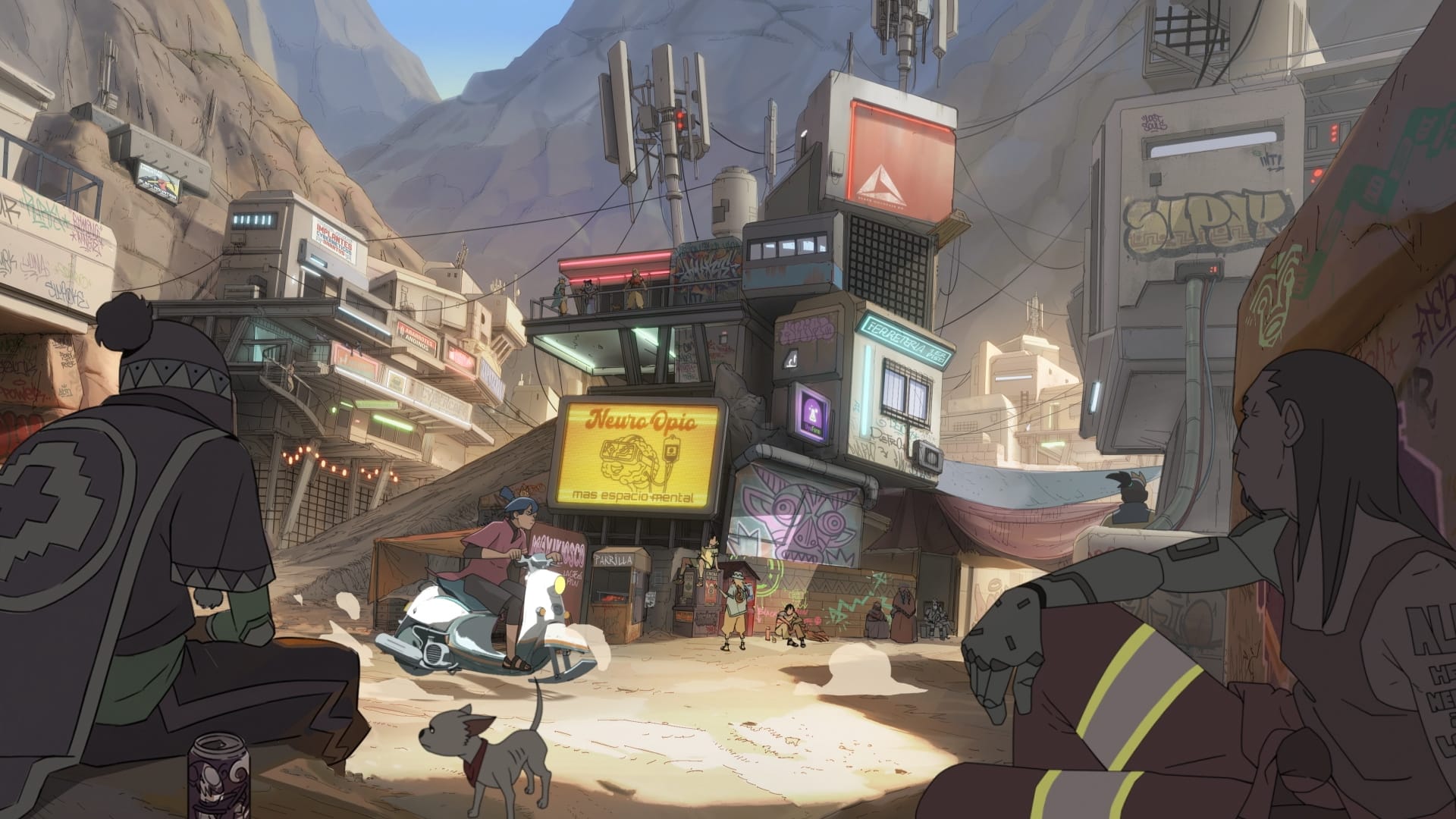
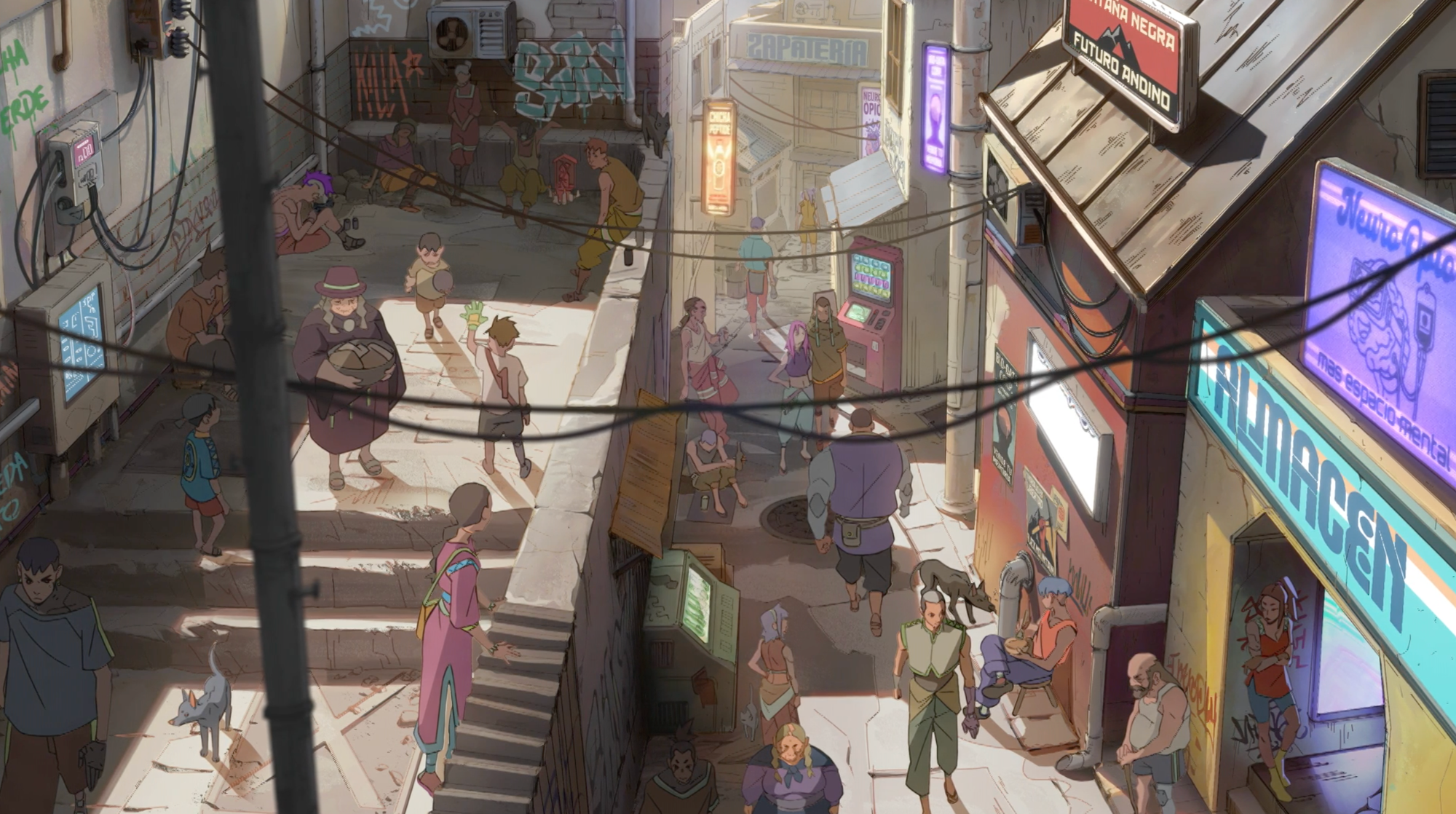
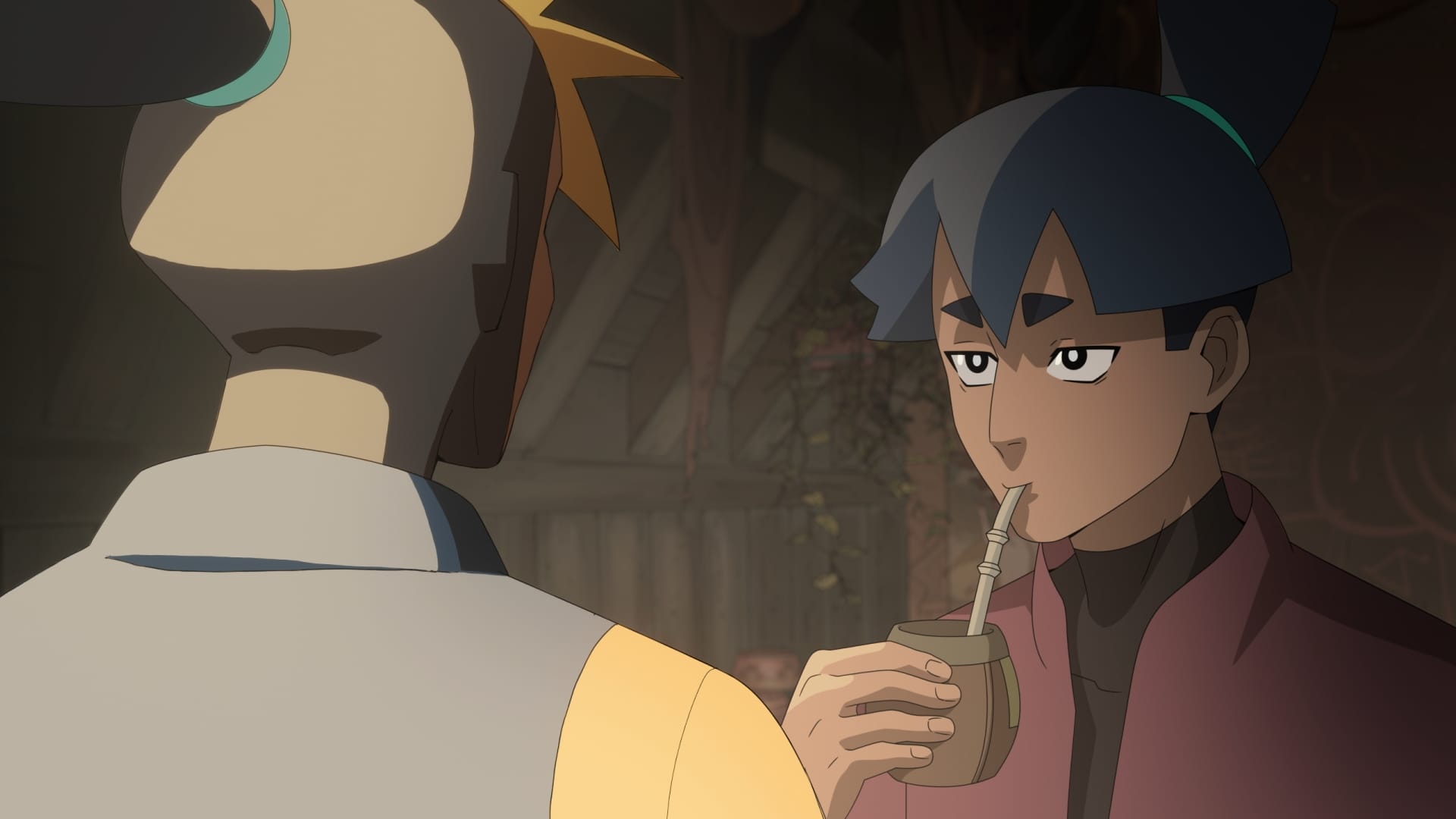
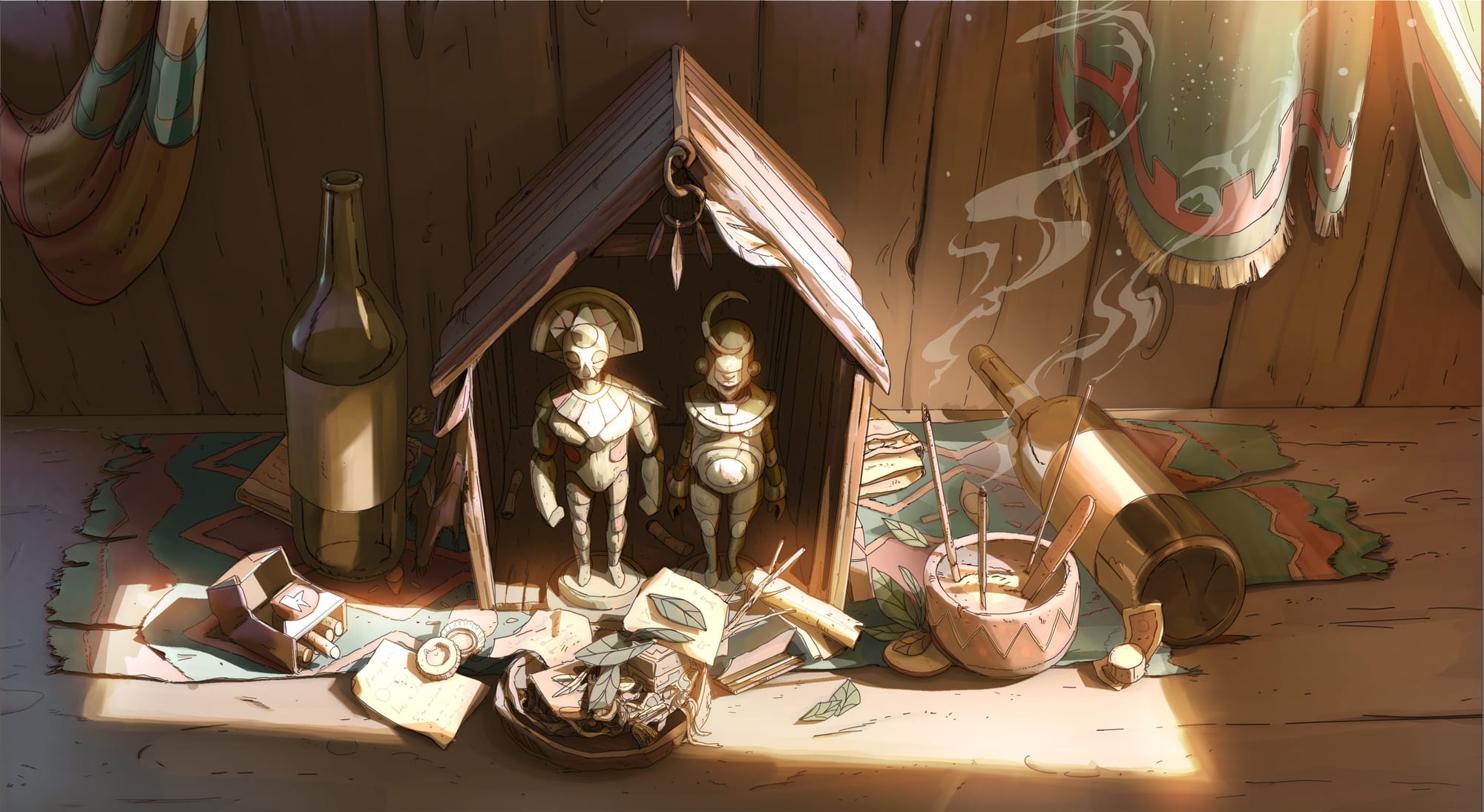
Here you can see the cyberpunk mestizaje with Andean culture.
The adaptation of the genre to the Andean geography feels very natural; it doesn't seem forced or like a canned product trying to fit into the local reality. The blending of cultures is organic. In fact, it reminded me of another similar national production, the film Los Últimos (which went by without much notice, but I highly recommend it: Luis Machín, as always, plays the best villain) and also combines cyberpunk with the Puna: the exploitation of natural resources, technological surveillance, all set in a near future. Returning to Electro Andes, the soundtrack greatly enhances the immersion: the northern electro-folklore, composed by Gris and his team, is a real treat.
Of course, it’s a genre series (although, as we said, a mixed one). After watching the first episode, I couldn't help but connect it to the series Cyberpunk: Edgerunners, due to the characters (a bunch of underprivileged hustlers), the aesthetics (the neon, the trashy future), and especially the violence. It also rekindles interest in transhumanism, the human enhanced by machines: this is evident, for example, in the special sneakers that Pietro and Cal wear throughout most of the episode. It also reminded me of Cowboy Bebop (another recommendation for those who haven’t seen this classic yet), because of its retro-futuristic aura: decay and marginality, but combined with a high level of technological sophistication.
But above all, vertigo is very present in the first chapter of Electroandes. The dizzying pace, I believe, is something very distinctive of the cyberpunk genre. Not stopping, not pausing, always moving forward, even despite the limits of one's own body. Even when neither the body nor the mind can take any more, you have to push ahead at full speed. When asked about the influences of the project, Malter didn't hesitate to mention the classics of the genre: "Akira or Evangelion are classics that have always been at the top of our minds, also Blade Runner, without a doubt, the entire saga, both the old and the new." But alongside those more expected references, he added a less common one in the world of anime: "The Battle of Algiers is also one of the references, especially for how it represents certain conflicts and violence on screen."
A study with years of experience
Electro Andes is the most ambitious project to date from Bellolandia, an Argentine studio with nearly a decade of experience. Its directors had already made their mark on international productions like Spider-Verse and the adaptation of El Eternauta, but they had never taken on a large-scale independent production. "Electro Andes was the biggest project we ever embarked on. It made us shift our mindset from doing smaller things to adopting a much more cinematic language, where we have to tell an important story and not just achieve a great shot," summarized co-director Damián Fernández Gómez.
The result adds to a short but growing list of local high-profile animation projects, such as the series La Huella del Oro. However, within the team, the standard of comparison is different: "It’s been fifteen years since there’s been a display of this type of animation in Argentina, and I’m referring to Metegol, which for many represents their childhood. We are marking a new step," noted Malter. He also dedicated a paragraph to the behind-the-scenes team, especially mentioning the staff at Lambda, who saw the potential of the project and supported it.
Annecy and the industry landscape
The journey of Electro Andes to the screen was not linear. The project was first presented in 2023 at Annecy (the oldest animation festival in the world, with significant weight in the French industry) merely as a proof of concept accompanied by some images. "It was well received, but they looked at it a bit condescendingly," admitted Malter. A year later, now with a trailer in hand, the response changed: "They started paying a bit more attention to us. We also went with a recruitment plan, and that’s how this progressive path began to form." The most recent edition of the festival marked a turning point: showcasing the complete episode allowed them to capture the interest of international distributors like Crunchyroll, Netflix, and Disney.
The experience in France also had a more underground parallel scene: an independent screening organized outside the official festival circuit, alongside other projects. "It was a much warmer version. We were there sharing the room with our team, with other teams, and with people who had been waiting in line since nine in the morning for a show that was at two in the afternoon. When the football match scene played [one of the best action sequences of the episode], people cheered for the goals as if they were in the stadium," recalled Malter, who also reviewed the impact on social media: the project’s Instagram account surpassed a million views with the trailer, a record for the studio. A small batch of merchandise produced as a pilot test in France sold out in less than two hours, a fact that the director interprets as a clear sign of demand: "The goal of any IP is to create an emotional bond with the viewer, and that bond is no longer established just with a movie ticket, but with a purchase that happens afterward: a plush toy, a poster, a print."
When the football match scene played, people cheered for the goals as if they were in the stadium.
The international journey didn’t end in France. Malter also mentioned a recent stop in China, where the project began to generate interest within the licensing ecosystem linked to the shenku scene, with concrete offers to start selling merchandise in that market.
Malter frames this journey within a global animation industry that, as he describes, has been stagnant for several years and is just beginning to show signs of reactivation. "The industry is not stagnant, as it was in 2022, but it’s still taking tentative steps to get back into rhythm," he suggested, adding that in this context he sees an opportunity: "If the big studios weren’t making progress, we started to move forward, because when this unlocks, there will be a need for content." He also mentioned the growth of Australian animation, supported by strong government incentives, as a reference for direct international competition: "It’s more of an anomaly for something like this to exist in Argentina than a common denominator."
What’s next: film, YouTube, and a crowdfunding campaign
Internally, the team intends to take advantage of the momentum. A special screening in theaters is scheduled for mid-September (specifically at the Cinemark in DOT on September 18, with the purchase link available starting today), and shortly after, a public premiere of the pilot on YouTube, aimed at reaching a much wider audience. The full production of the series is still pending and will largely depend on this dissemination stage: alongside the YouTube premiere, the team is preparing a crowdfunding campaign on Kickstarter.
Regarding which platform might eventually distribute the complete series, Malter himself dares to make a prediction, although nothing is finalized yet: "If I had to guess right now, I’d say it’s most likely going to be on Crunchyroll."
A series that could only have been created in Argentina
Beyond the social media numbers and the interest from distributors, after the screening, one question lingered in my mind: can an animated series genuinely spark curiosity about our culture, in the same way that Japanese anime has done for generations with Japan? I believe it can: Electro Andes has violence, marginality, technology, and all the classics of the cyberpunk genre. But at the same time, it’s filled with Argentine references: our landscapes, our humor, our contradictions and fears, our history and way of life. It’s a series that could only have been created in Argentina.
Las notas de 421 no tienen paywall
Y a cada colaborador se le paga por su trabajo. Las dos cosas dependen de los suscriptores.