Shooters: The Fascination With Guns
Why handling weapons in video games fascinates us, and what science says about its social impact. The origin of this gamer fetish.

Why handling weapons in video games fascinates us, and what science says about its social impact. The origin of this gamer fetish.
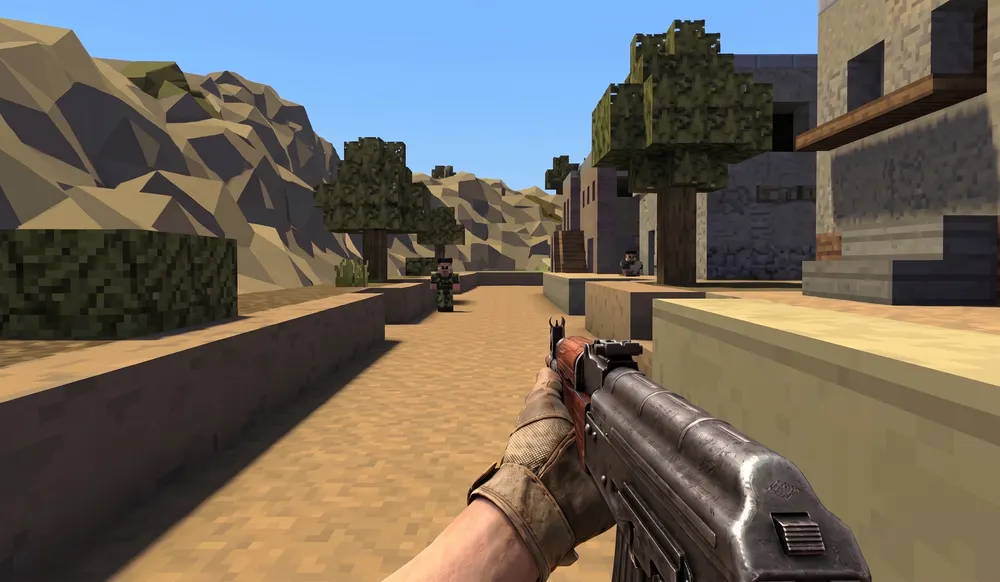
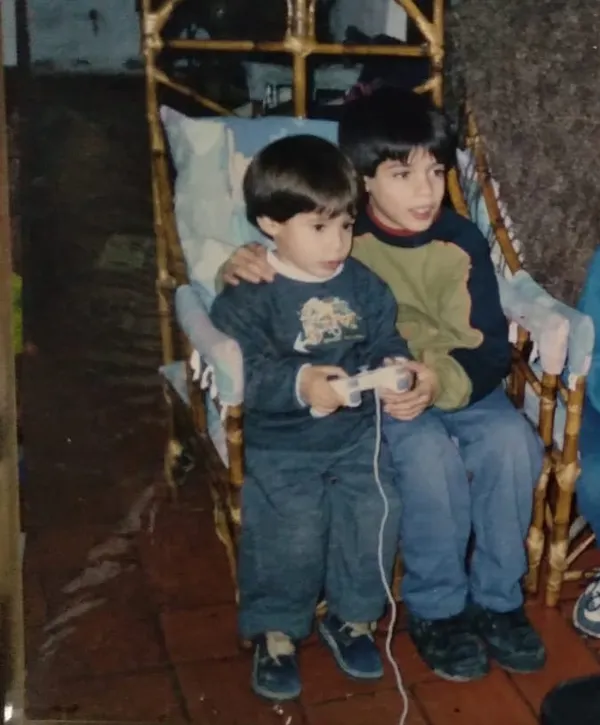
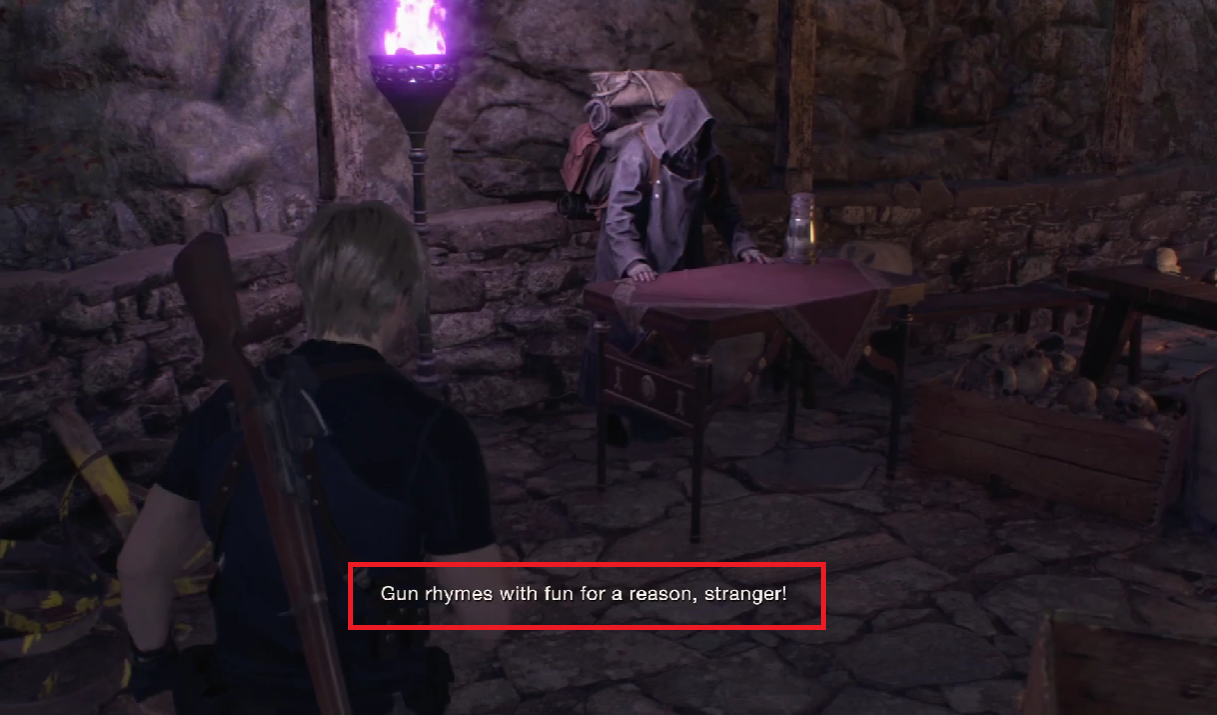
We're playing the Resident Evil 4 remake. I've got the controller in my hands and while I'm figuring out how the hell to rearrange the inventory so the flash grenade I just found will fit, my brother, sitting next to me, goes: "damn, the W-870 shotgun is sweet, wouldn't it be great to have one like that?". I just stare at him, thinking, first, why the hell does he know the name of the shotgun. It's written right there, of course, but in the original game they didn't have such weird names. And second, does my brother seriously want a weapon like that in his hands? What for? And also, where does that wanting come from?
Fetishizing firearms is a feeling that, I think, no gamer escapes. Constant exposure to different models of pistols, submachine guns, shotguns and military rifles with increasingly realistic designs and functionality has predisposed us to a certain familiarity with these objects, not to say affection. I find myself at the mercy of that same logic: I managed to cultivate a fascination with western-style lever-action rifles that has led me, more than once, to have that very same thought: "Man, what a beautiful toy… I wonder what it'd be like to hold one".
Fetishizing firearms is a feeling that, I think, no gamer escapes.
Far from wanting to confirm the worn-out stigma that violent video games incite violence — quite the opposite! My intention here is to understand to what extent one should get worked up about these things, and whether or not some degree of concern is warranted. Especially if you also have a brother or nephew or friend who's constantly attached to these objects, or if you simply feel like having a better-formed argument for when you don't know how the hell to explain to your girlfriend why you love spending Friday nights simulating killing people in Escape from Tarkov.
In 2016 a group of psychologists from the "American Psychological Association" (the more redundant the name, the more importance or prestige it carries, always) carried out an experiment using a study method called the "General Learning Model" (the more redundant the name… well, you get it). What this analytical model does is explain how different environmental factors can modify people's cognitive, emotional or behavioral reasoning. In this case: how a first person shooter could affect a person's political opinion on the use of firearms. Or, as a bonus, their desire to try out those weapons firsthand.
Psychologists Matthew Lapierre and Kristie Farrar, from the universities of Arizona and Connecticut respectively, surveyed a total of 779 college students from two large U.S. universities, one in the northwest and another in the southeast (without saying which ones). The study consisted of evaluating the students' answers and opinions on different topics related to the subject, such as: how much exposure they had to violent video games; their opinion on gun ownership policies; whether they had experience with any firearm; the political party they identified with, among other things.
The results point to two main conclusions: on the one hand, the specialists found that the more a player becomes familiar with first person shooters or similar games, the more their familiarity with firearms inevitably increases, which leads to — and here's the interesting part — being less likely to support state policies regulating civilian gun use. That is, thanks to the greater closeness to or understanding of these virtual objects that a player can develop, the less "fear" or distrust they have that these objects might hurt someone, so they're less inclined to want their use restricted. Makes sense, right? I suppose we're all also afraid of the blades of a lawnmower spinning at 3,000 revolutions per minute, or of the 1,500 kilos of moving destruction that is any average car. That is, of course, until we understand how they work and start using them consciously. The substantial difference here is that we never really learn to handle a firearm in real life before forming political opinions about them.
The study's second conclusion, perhaps less important statistically but just as interesting, is that among students who had experience with console controllers that simulate guns (like, for example, the Move controllers from the PS3 and Wii era, or you could even think of old arcade machines like Time Crisis), not only did the "distrust of firearm regulation" factor increase, but researchers also noticed that those students believed firearms were necessary or desirable for public safety. In other words, by relying so heavily on the figure of the gun to solve problems or the different kinds of scenarios a video game can throw at you, not only does fear of the real object diminish (a Coast Guard Glock works more or less like a NES Zapper, right?) but so does its "seal of approval" or usefulness for everyday public safety.
Obviously, while this study is solid, the results warn that video games are just one more grain of sand in the vast scheme of influences people can have regarding firearms, with Hollywood movies probably being a factor that moves the needle much more in this respect (especially if you lived through the golden age of 80s and 90s action cinema). Even so, since we prefer simulating killing people in a game to watching Tom Cruise do it, I think it's necessary to ask ourselves these questions. What do you think — do you really believe the cop guarding the entrance of the Diagonal Norte subway station needs to carry a gun in the name of public safety? Have you ever stopped to think about why you believe that? Whether your answer is yes or no, I'll read you in the comments of this post.
There are also several reasons to keep racking your brain about why firearms look the way they look and why we like them the way we like them. Since the days of Goldeneye 007 (1997), video games have used real models and names for their virtual weapons, and there are even documented cases where arms manufacturers charge a license fee for the use of their model in games. That's the case with Barrett Firearms Manufacturing, a company that, in a legendary 2013 interview with Eurogamer, revealed that they partly do this to advertise their firearms and thus sell more of their arsenals on American soil.
Video games are just one more grain of sand in the vast scheme of influences people can have regarding firearms.
As you can imagine, those statements became a real scandal, giving a concrete and genuine motive to all those neurotics looking to get paranoid about the influence of real weapons in video games (myself among them). Since that piece was published, no Barrett Firearms spokesperson has spoken to any video game outlet. Add to that the numerous court cases linking the influence of real weapons in video games to school shootings in the U.S., and today's designers of games like Call of Duty or Battlefield increasingly try to avoid paying licenses for the use of these objects and constantly seek to redesign and rename the weapons.
But the most interesting thing in this whole legal section happened in 2011, when the State of California tried to push through a law banning the sale of games with violent content to minors under 18. In a somewhat unexpected decision, the Supreme Court ruled in favor of the Entertainment Merchants Association and the Entertainment Software Association (assoceijon assoceijonn), making video games protected by nothing less than the First Amendment of the U.S. Constitution, considering them "artistic expression" just like film or theater, and therefore they won that legal umbrella of "free speech" when it comes to using depictions of real-life objects or people.
Nevertheless, the devs at companies like Electronic Arts or Activision keep modifying the real appearance and naming of almost all their war weapons in recent games. This is (I think) more to avoid the undeniable bad press generated by giving free advertising to companies like Glock or Barrett itself, as well as to avoid reigniting the debate about the use of real weapons in games. The devs aren't interested in getting stuck to that controversy either, above all because their work is more playful than corporate, more creative than speculative.
But, dude, this is Argentina. And honestly, the legal and social messes the Yankees have with their own instruments of war are pretty far away from us, at least if we compare them by scale. We don't have a gun shop in every neighborhood in the country, nor arms tycoons interested in putting money into — by the way — any intellectual property or cultural/propaganda product made in Argentina.
But! Yes, maybe, as a more harmless yet equally suggestive counterpart, we do have a homegrown phenomenon that gets more powerful summer after summer across all of Latin America, and which I'll dare to link almost directly to the topic at hand. I'm talking about the so-called "hydrogel wars", waged with toy guns of the same name.
If you live in the Buenos Aires suburbs you already know them, but in case you don't, hydrogel toy guns are weapons similar to water guns but they shoot pellets made of a fairly harmless gel that dissolves in water on impact. The whole thing consists of organizing open battles in the middle of the street and using houses and sidewalks as cover to simulate a kind of team deathmatch between neighbors. The little boys have a blast, the little girls get even by shooting up the family's annoying cousin, and the lonely uncles fulfill their great frustrated dream of playing paintball with friends, but this time cheaper and without halos of Riachuelo-colored bruises all over their bodies.
Of course, some outlets wasted no time linking these fake guns to the influence of free-to-play games like Free Fire or Fortnite and, let me tell you, the similarities really do have a reason behind them. While it's true that video games aren't the only point of reference when talking about gun violence, I find it kind of hard to think of another influence in today's cultural industry that could encourage the desire to "take up arms", so to speak, and to do it in such an organized or militarized way. For younger generations who may not know John McClane or Sarah Connor, the idea of simulating a little Vietnam war with your neighbors strikes me as having an obvious origin. I think the influence of shooters today shouldn't be dodged but rather clarified, put on the table and de-demonized.
The debate is more than settled: video games with violent content don't foster violence. So it would seem there's nothing wrong with growing fond of a virtual assault rifle and developing a certain desire for the object. God, do I know it! I still remember the time I lay down on the floor, covered by a smoke screen on the "Ballroom Blitz" map in Battlefield 1, and with my Lewis gun I took down something like 50 players from the other side over the course of the whole match. CLACK-CLACK-CLACK! Tit-(X)-Tit-(X)-Tit(X), X Boom!, dead. +1 kill. Ah, beautiful, the horrors of war, the drum magazine just kept on spinning.
I think it's precisely through games like Call of Duty or Battlefield that we understand how terrible and unjust armed conflicts are.
But I think it's precisely through games like Call of Duty or Battlefield that we come to understand how terrible and unjust armed conflicts are. And even though the attempts to recruit soldiers through video games are real (again in the U.S., the Armed Forces created their own EA Sport team for that very purpose), I don't see any first person shooter player from our part of the world wanting to set foot on an actual battlefield. Mere virtual simulation manages to satisfy our theoretical curiosity by offering us the agonal, the regulated and organized armed contest, and with the physical simulation of paintball or hydrogel we satisfy the practical curiosity. Now all that's left would be to satisfy political curiosity, to put theory and practice at the service of a collective ideal and… No, hold on, I'm not going to start preaching.
Y a cada colaborador se le paga por su trabajo. Las dos cosas dependen de los suscriptores.