Argentina's Warhammer: The Old World national team made its debut at the World Cup in Talavera, Spain. It finished 13th out of 20, ahead of countries with far more history in the game.
The Warhammer: The Old World (Warhammer ToW) community in Argentina is strong and still growing, so plenty of people figured it was time to take the next big leap: competing in the World Championship in Talavera, Spain, in late September 2026, the biggest Old World event on the planet. But things weren't going to be easy in such a competitive tournament, and even less so in the run-up. A whole saga was about to unfold before the only team representing Latin America actually made it to the Worlds.
A month before the trip, the Argentine Warhammer ToW national team had a big problem: it didn't have enough Argentines to fill its eight-player roster. The last two had dropped out for financial reasons. Patrick Glickmann, "Pato" to everyone, was the team captain, and what followed was captaining in the broadest sense of the word. He called up a couple of friends from Denmark, where he lived for many years, and found a Vietnamese player (a dark horse, as we'll see) who was looking for a team (the tournament rules, much like the game itself, allow you to recruit "mercenaries" from other countries). With this motley mix of nationalities (because, as we all know, an Argentine is born wherever they damn well please), which had never played together before, Argentina sat down at the tables of Talavera Ferial between September 23 and 27, 2026. As we said (but it's worth underlining): it was the only Latin American team in the tournament.
Things weren't going to be easy in such a competitive tournament, and even less so in the run-up. A whole saga was about to unfold before the only team representing Latin America actually made it to the Worlds.
"I feel like we pulled a La aventura del estrellato. We didn't prepare, we didn't practice." That's Jonathan, one of the Argentines on the roster, and it sums up the spirit of the debut with a laugh. But the result was far from an embarrassment. At first, the goal was simply to get there. "Then we talked about the competitive goal being not to finish last and to win one round. In that sense we beat our own expectations," says Glickmann. Argentina won two, finished 13th and, for one night, even sat ninth in the standings. Not bad for a debut at the top Warhammer: The Old World event.
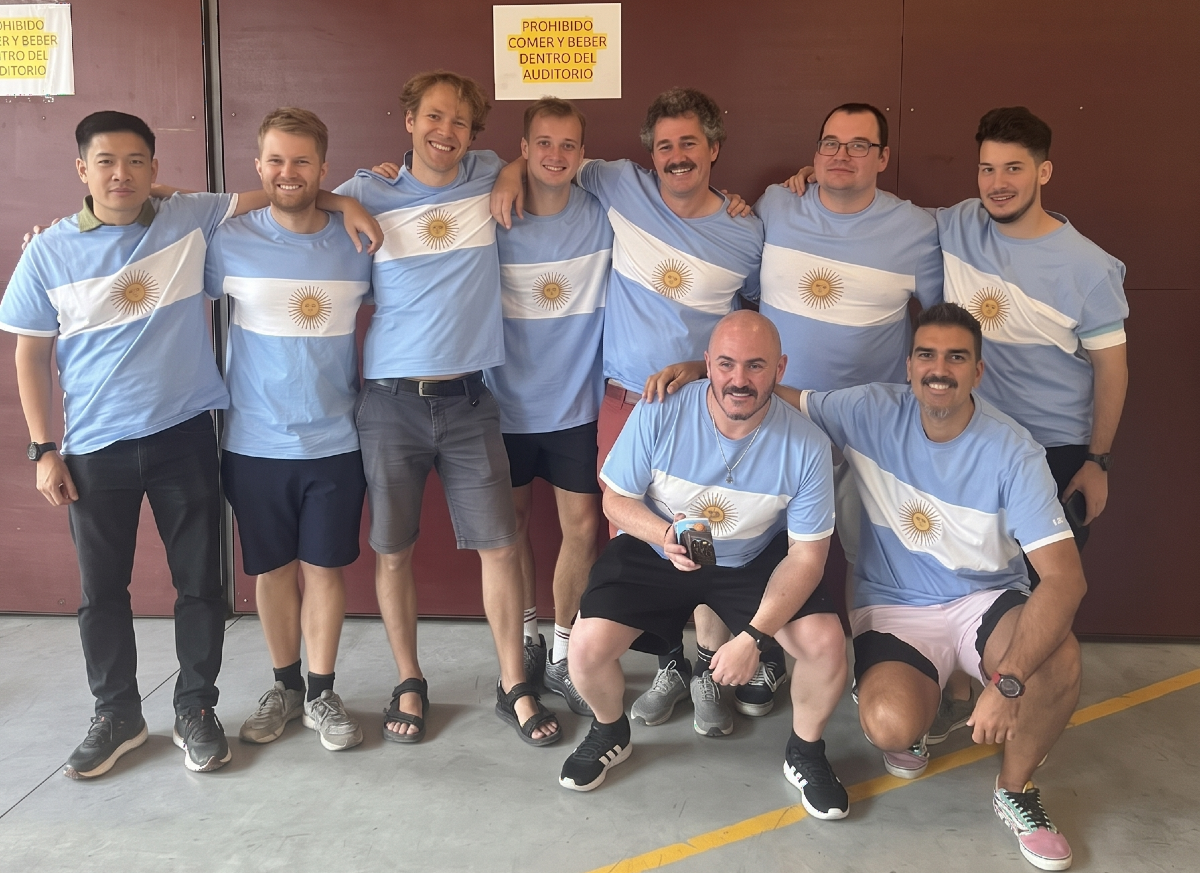
The Argentine Warhammer ToW national team.
A world championship made by the players
The Old World's World Team Championship (WTC), also known as the Clash of Nations, brings together national teams for the reborn version of Warhammer Fantasy, the miniatures battle game Games Workshop relaunched in 2024. It isn't an official tournament: the company doesn't run it; a nonprofit organization run by the players themselves does. But even so, it's the most prestigious tournament in the world, given how many teams it draws from all over the globe.
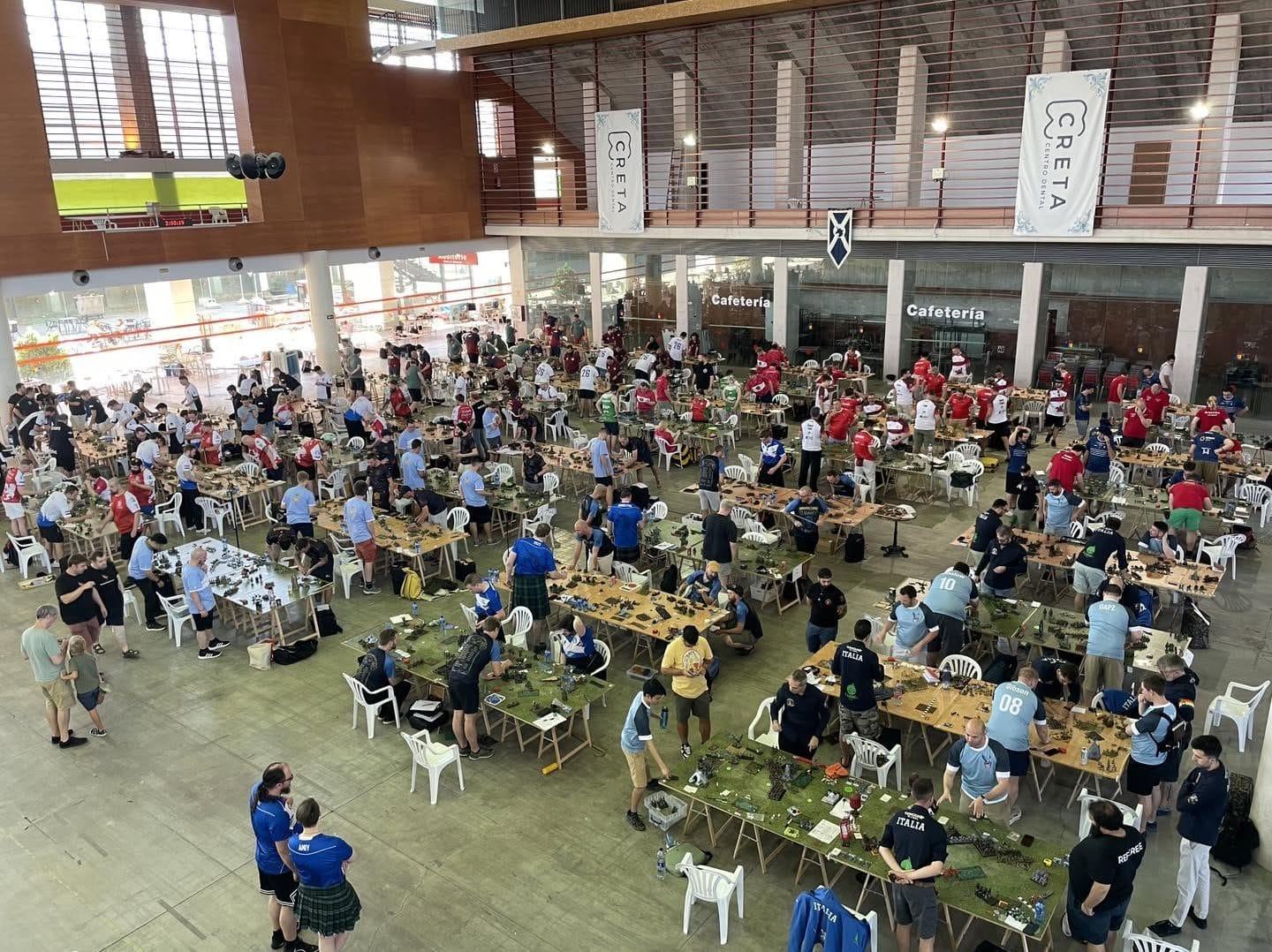
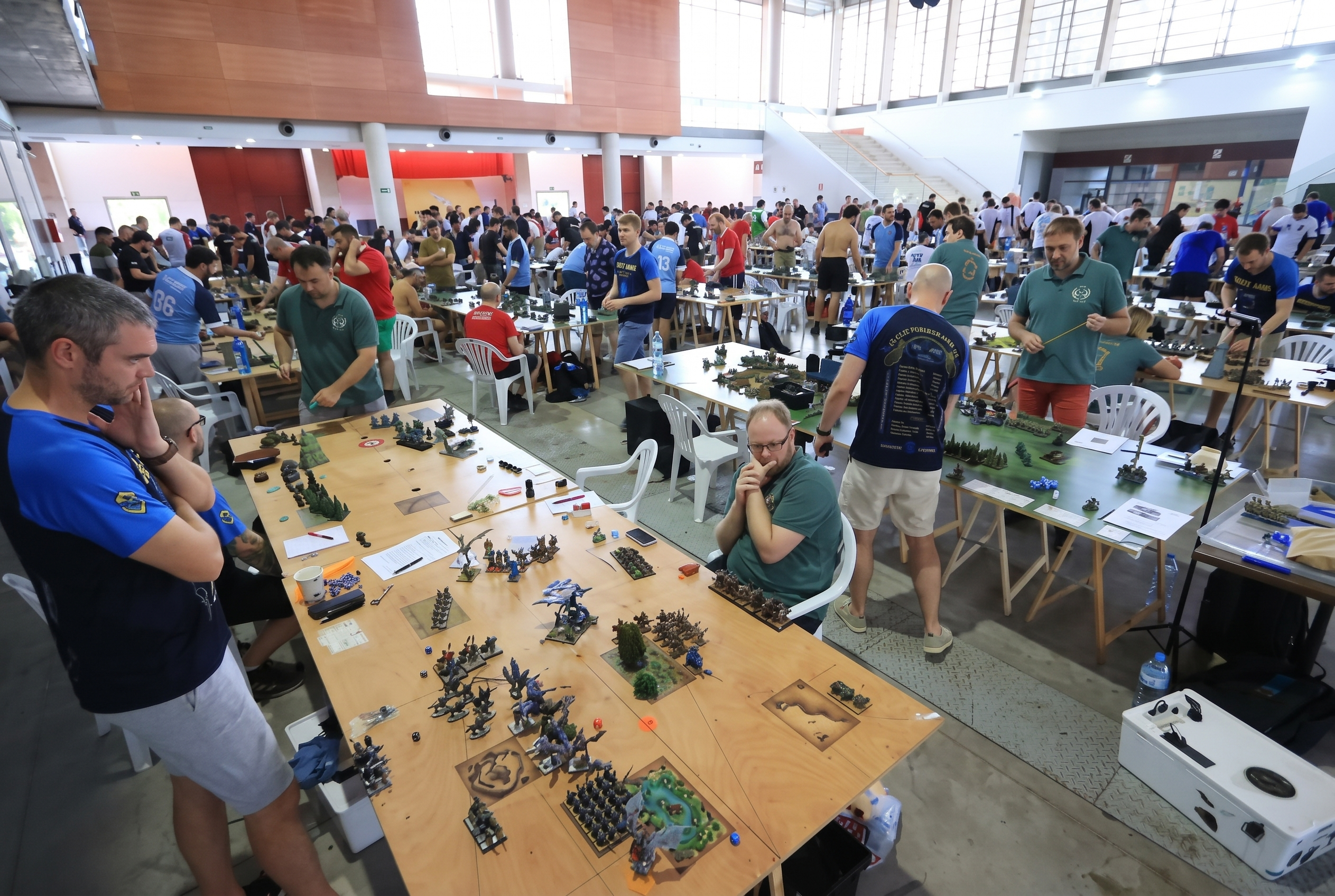
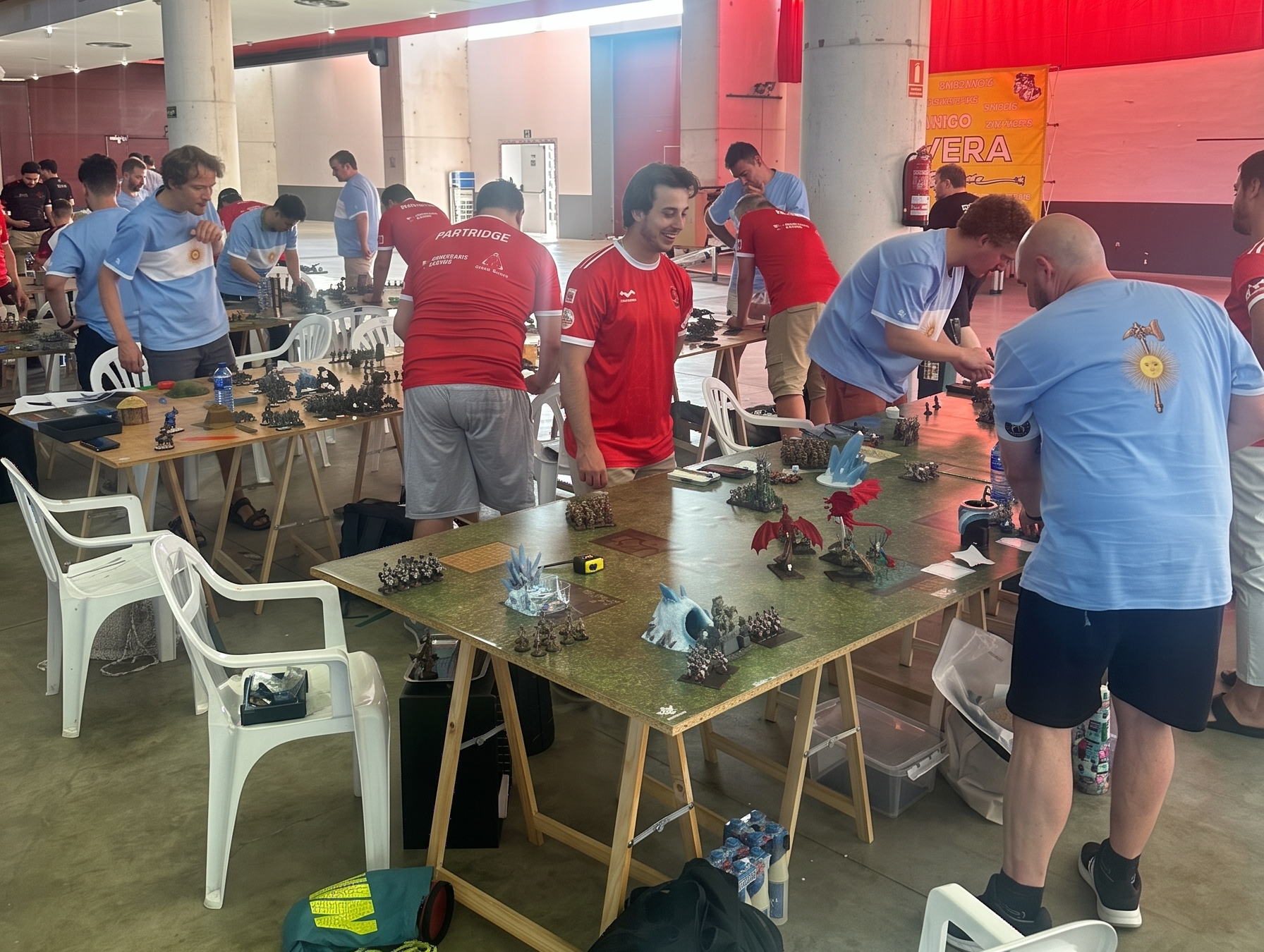
Talavera gathered around 200 players from 20 countries across three continents (the United States, Canada and Argentina for the Americas; Australia for Oceania; and most of the teams representing Europe), and 480 games were played. The venue makes sense: the city is home to Invasión Talavera, one of the biggest hobby stores in Europe, which had already drawn more than 1,200 people to Warhammer 40,000 tournaments. Even the trophies were local: pieces of the handcrafted ceramics the city is famous for.
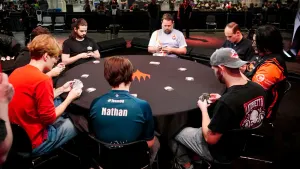
Twenty national teams, nearly two hundred players.
For Glickmann, the event's importance isn't measured in prizes. "There's no bigger The Old World event in the world than this one," he explains. He also points out that it's a great chance to compare where the different national communities stand and how they're built in each country. "It's an opportunity to get inspired, to network, and to see how far you can take your own community."
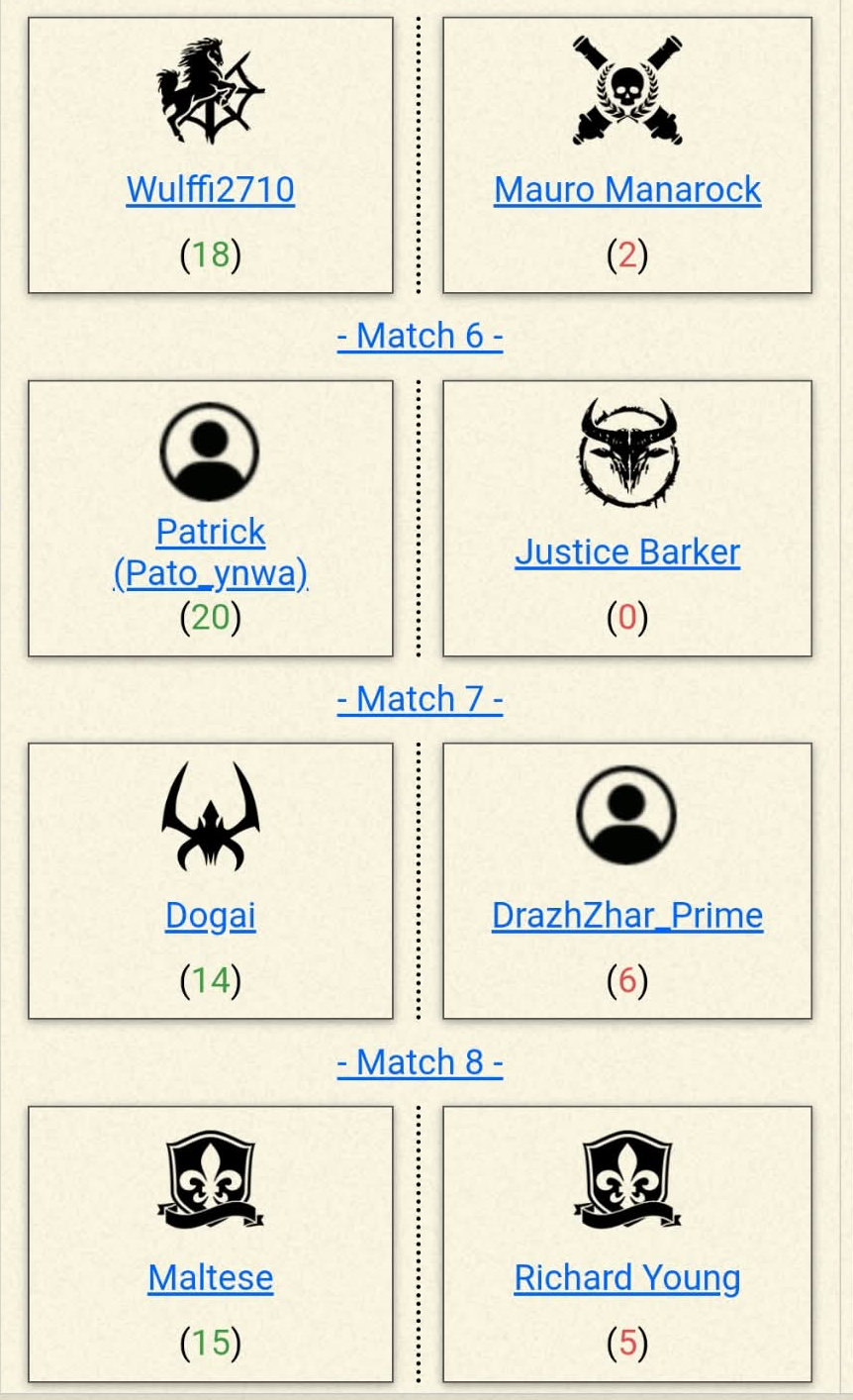
The format is demanding. Each national team has eight players, one of whom is the captain. Teams can also, optionally, bring a "coach," who keeps track of live game scores so he can advise his players in real time on the best strategy (that is, whether they need to play it safer or take more risks on the battlefield, depending on how the team is doing overall). In each of the six rounds, two countries face off in eight simultaneous games, and each game splits 20 points between the two players: a 20-0 is a blowout, a 10-10 is a draw. Before each round comes the key moment, the pairing: teams reveal armies and pick matchups, like in a card game. That's where they decide who gets sacrificed against the opponent's scariest list and who gets the favorable matchup.
An example of the scoring system: Argentina on the left, Canada on the right. A cakewalk for the Argentine hosts.
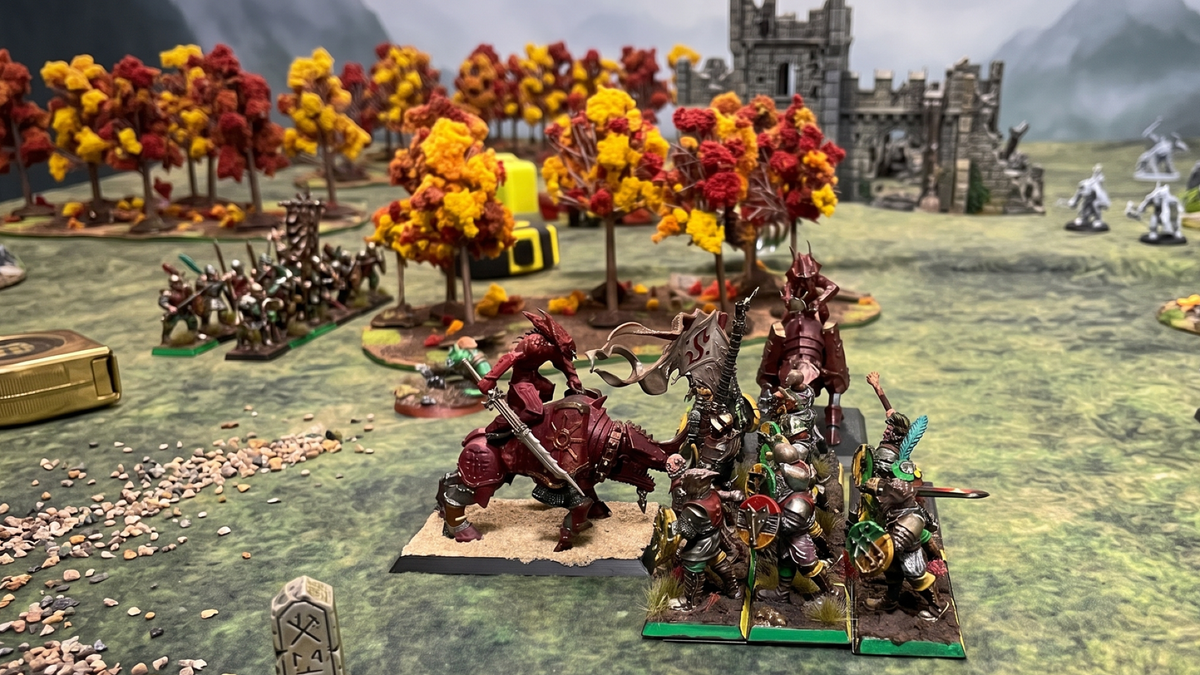
The armies also say a lot about the state of the game (and its imbalances). Vampire Counts showed up in all 20 teams (which tells you how broken they are), and Cathay, the faction inspired by imperial China, in 19 (another faction Games Workshop favors, with an eye on breaking into the Asian market). Argentina, for its part, brought varied but competitive armies: Cathay, Vampire Counts, Bretonnia, Empire, Tomb Kings, Dark Elves, Orcs & Goblins and Warriors of Chaos. It also had a rarity: the only Dark Elf player in the entire tournament (rare because Renegade lists weren't allowed at the Worlds, which on paper hurt this army). The good thing about the tournament, and this deserves a shout-out, is that since it wasn't official, it allowed proxy miniatures (knockoffs, in common parlance), which made it more accessible.
Here's the file with all the armies and lists from the Worlds, sorted by country:
Glickmann was the driving force behind Argentina's preparation: "I handled all the logistics, all the testing. Just putting the team together was a huge challenge, because it was really hard to find enough players who could travel from Argentina, money-wise." He also went out looking for sponsors, which, according to him, leaves a baseline of backers for future editions.
The whole team shares the same diagnosis: Argentina did well, considering it was their first Worlds, that they were a group of players who didn't know each other beforehand, and that there was a pretty wide range of experience levels. As Glickmann puts it: "The team chemistry was fantastic, despite the language and cultural barriers."
The tournament was played over three days, with two rounds per day. Each round is three hours of play: you have to stay focused, on top of the rules and your opponent's moves. Quite a challenge, as we'll see later on.
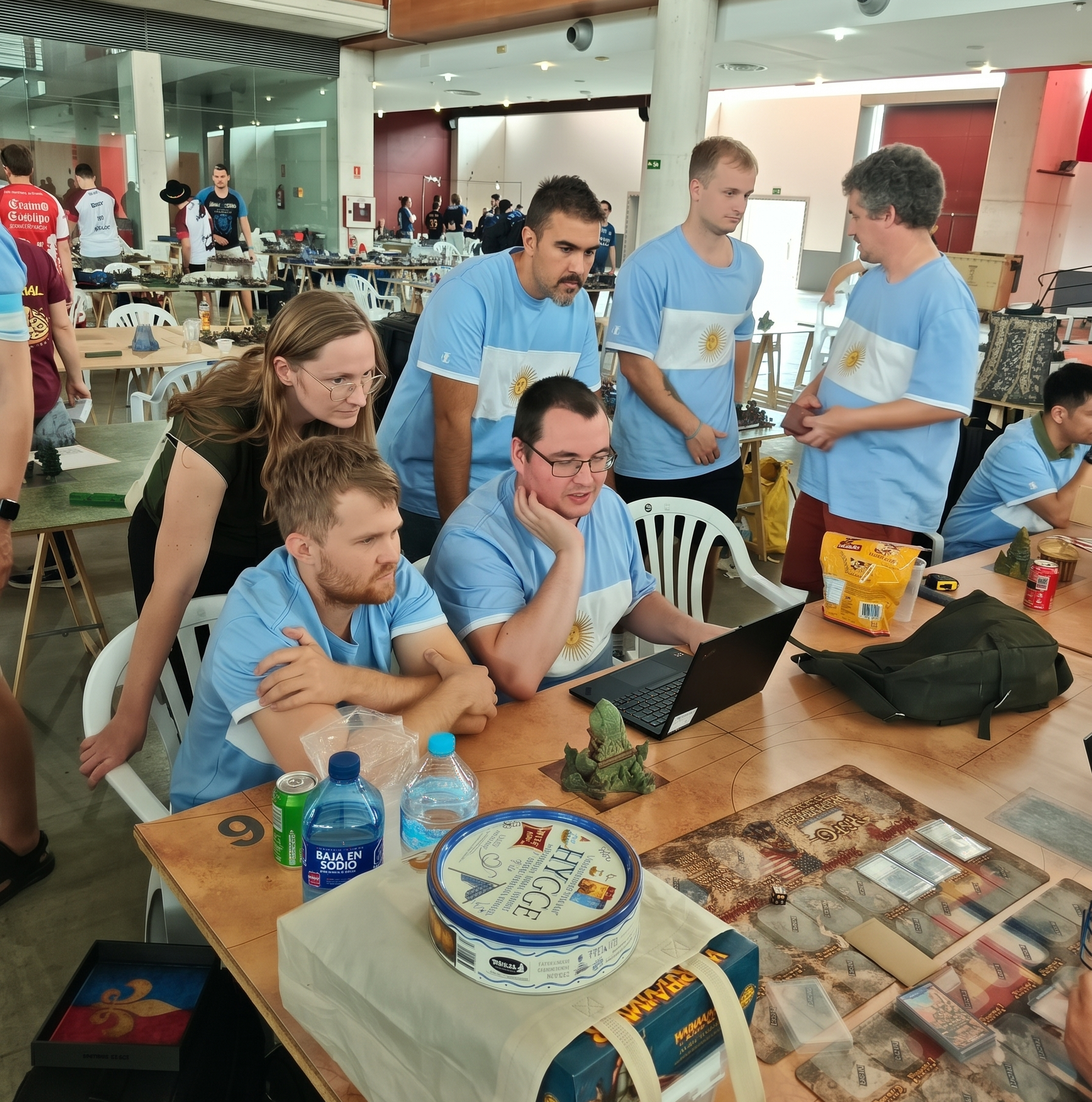
The Argentine team going over the game data.
Day one: Belgium and Canada. The baptism of fire and the rout
The debut wasn't kind. The first opponent was Belgium, who would go on to finish third overall. Argentina lost, as expected, but individually some of the games were well played. "We learned a ton of rules there, sorted out a ton of things. It was a good baptism of fire," says Glickmann. He lost 12-8 with his Cathay against a Bretonnian, a narrow defeat in a game where he later kicked himself for doing things wrong.
Jonathan drew the worst possible card: the Belgian Vampire Counts player, considered literally the number one in the world with that army. His Tomb Kings, a very aggressive army, crashed into a defense that kept growing and growing. "He had two units of 10 zombies that by turn two were 35 or 40," he says. A well-placed Banshee neutralized one of his dragons, and his opponent's magic went off every single time. "There's no such thing as beginner's luck here," he complained.
Even so, it's the game Jonathan remembers most fondly. "It's like getting to play for Boca with Tevez, Riquelme in his prime, and Maradona as your teammates," he says. "I enjoyed watching how the dude deployed and how he moved. All super calm, controlled, relaxed."
While Jonathan was beating himself up over every mistake and Glickmann was counting how many points had slipped away, Juanma, one of the most active members of Argentina's Warhammer: The Old World community, was putting the result in context from Buenos Aires: "It's tough because it's a first experience at the highest level, and it shows," he said after the first-round results. "The team is giving it everything, but the World Cup debut jitters are working against them." He had a favorite on the Argentine team: Vietnam's Trần Anh plays the same army he does, the Empire. In the following rounds, Trần Anh would prove to be an ace up the sleeve, but that was still a ways off.
The first round left Poland and Belgium on top, with Argentina and Canada battered, way down at the bottom. The upside was that, because of the pairing system, the two countries would face each other in the second round.
WTC 2026: Warhammer The Old World | Day 1 - Game Live Stream.
After the second round, the next message to hit the Argentine Warhammer: The Old World community's WhatsApp group was a whole different story: "We beat Canada! We beat Canada!" On paper, Canada was one of the weakest teams in the tournament, but Argentina steamrolled them. "As a team we only lost one or two games against Canada and won almost all the rest," recalls Glickmann, who dished out a 20-0, the maximum possible, to a Beastmen player. He doesn't let it go to his head: "I'd already learned to move things better, but my opponent was also pretty green." Trần Anh, the Vietnamese player, crushed a Mortuary Cult army, earning his place on the team. "I'd call it epic," Juanma cheered from Buenos Aires. At the end of the first day, Argentina was ninth. An unheard-of thing, considering it was their debut in the big leagues.
The next message to hit the Argentine community's WhatsApp group was a whole different story: "We beat Canada! We beat Canada!"
Jonathan couldn't join the party. In his battle against Canada he charged with a dragon, didn't get the spell he was hoping for, and an enemy chariot that statistically should have gone down survived with a single wound left.
Day two: United States and the Netherlands
Saturday kicked off against the United States, a very good team with lots of experienced players. It was a solid test, and Argentina lost narrowly. "It hurts, it hurts because we were right there," Juanma summed up. Glickmann fell 14-6 to another Beastmen player: "I played way too defensively. I messed up a couple of deployments that let him make better use of his magic, and maybe I should have gambled more on a charge or two. It was a learning experience against a very good player who practically made no mistakes."
Jonathan, with Tomb Kings, had no better luck. He left his general's back exposed and lost his level 3 wizard mounted on a dragon in an avoidable and, in his words, "totally absurd" charge. He took it with humor. His American opponent was understanding about the language (English is the tournament's lingua franca and Jonathan doesn't speak it well), and the game was played amid jokes typed into the translator app on his phone.
The second round of the day was against the Netherlands, and it was the one that left the team the most pissed off. It was very close and they came up just short of a draw, only 7 points away. Glickmann, with Cathay, tied 10-10 against a Bretonnian in a game that could have gone either way, and there were two games where the team expected to score more and couldn't.
One of them was Jonathan's, in one of the spiciest games of the tournament. His opponent was running Warriors of Chaos with three dragons (overkill, in a word). The Argentine coach had sent him there on purpose and apologized: "Sorry, but I had to throw you to the wolves." Jonathan got it: "If you've got someone who's never scored you a single point, use him as a sacrifice against one of their strong guys. That's what we're here for, after all." The game was close, he left two enemy dragons one wound from dying, and he scored his first points of the tournament.
But those points were lost in the boardroom. Communication with the Dutch player was rocky from the start and there was friction (talk about the Battle of Lusail all over again). Someone from the European team pointed out that the rules required speaking English, so they ended up calling in a tournament judge. According to Jonathan, the ruling was wrong. The judges offered two options: kick Jonathan out of the Worlds or zero out the game. Glickmann chose the zero. From that day on, Jonathan carried little slips of paper with the most commonly used phrases and rules.
Day three: Scotland and Austria
Sunday kicked off against Scotland and ended in another loss that had nothing to do with the dice. There was a communication breakdown between the coach and some of the Argentine players over whether they should bet on the games or not, and they ended up betting unnecessarily on a few. Glickmann won his 13-7 against Tomb Kings, though he thinks they could have tied the Scots as a team if the overall team strategy had been better planned. The usual short circuits of any national team.
Jonathan drew a Scotsman playing Wood Elves, his first Fantasy army, from a country he'd always dreamed of visiting. The game looked easy until a sphinx killed in a single turn and the frustration made him lose his head. "I needed to keep a little cooler," he admits.
After five rounds, Juanma was running the numbers from Buenos Aires: four losses, one win, and the team hovering around 17th place. The games, up to that point, had been tough lessons.
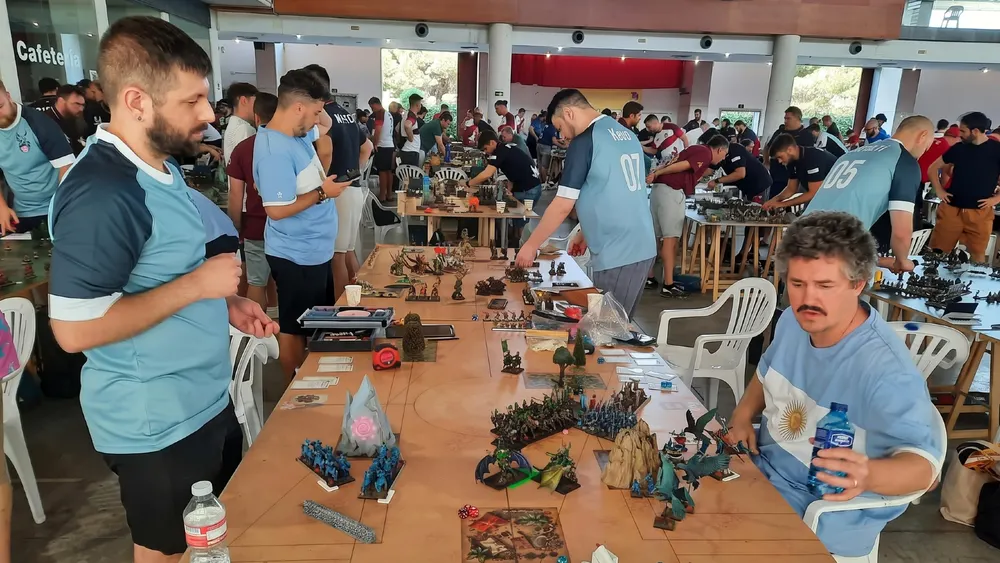
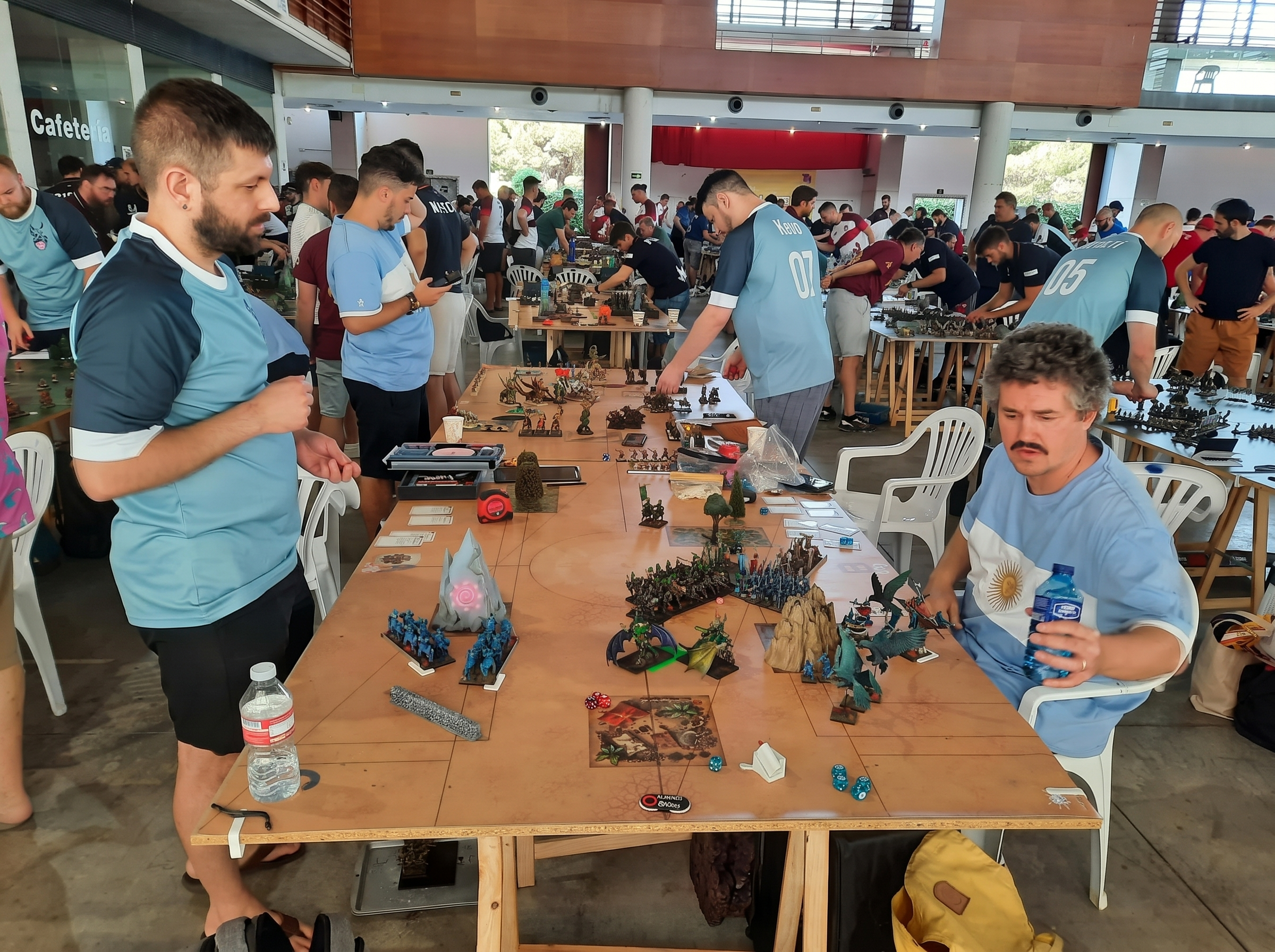
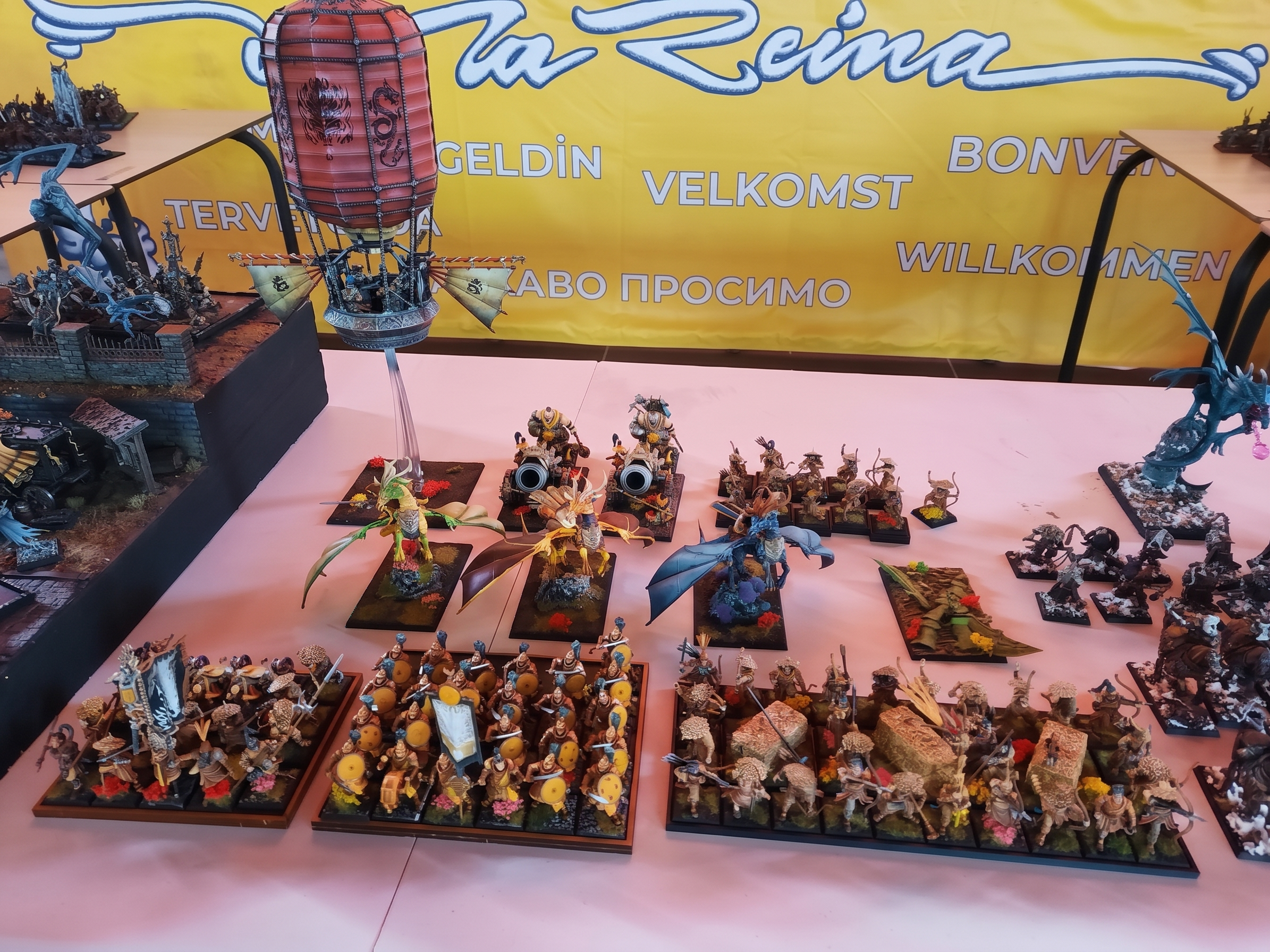
Some of the armies. In this case, Cathay, one of the most popular.
The last round was against Austria and came with a weird plot twist. The Austrian High Elves player had caught an earlier flight and his team was short a man. "We could have asked for a bye, meaning a 20-0 for us, but we didn't want that. We wanted to be a little more fair play about it," Glickmann explains. One of the Argentine team members sat out, the pairings were reshuffled, and some games were agreed as draws. Argentina won anyway, by a lot. Glickmann, on the other hand, was left with a bitter 10-10 against a Dwarf army packed with gyrocopters, which Warhammer ToW players mockingly call the "flying circus" for how bizarre it is.
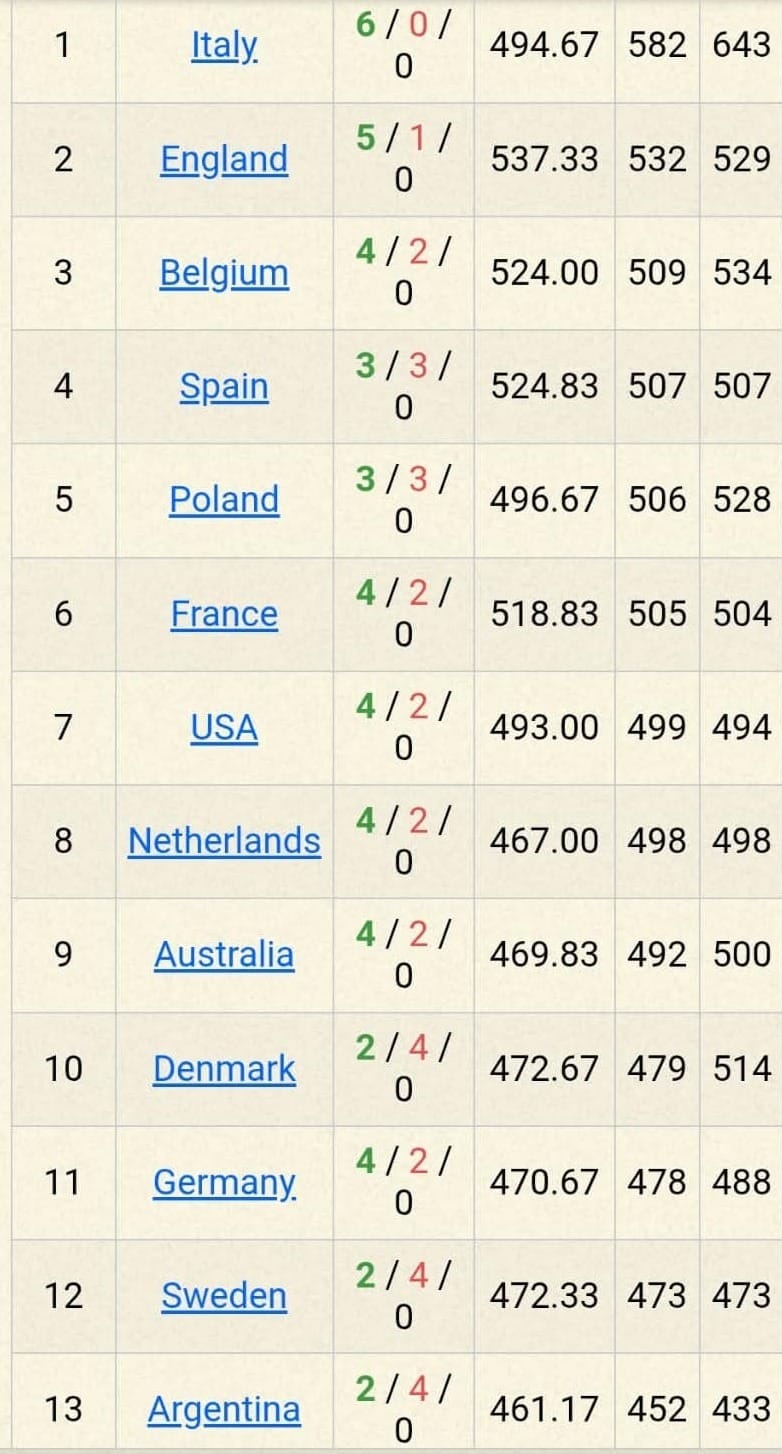
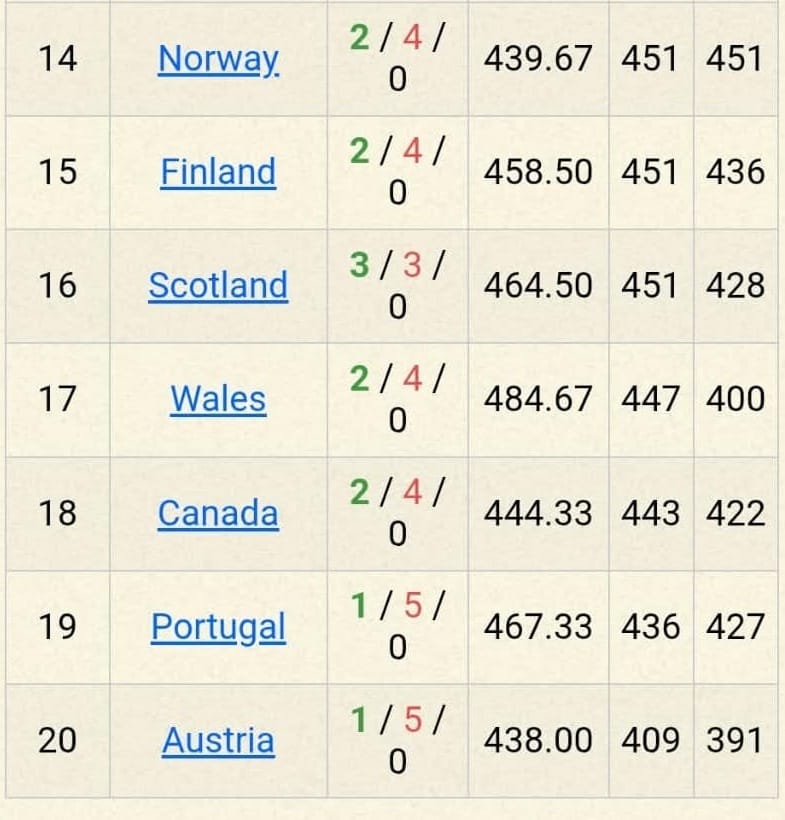
With that second win, Argentina climbed to 13th out of 20. By the team's own math, if they'd performed a little better, they would have finished 10th. "But not much higher, because the teams at the top had way more points than us."
Italy and the World Cup of the hordes
At the top of the table there was no doubt. Italy won every one of its games and took the title; England, champion of the previous edition, finished second, and Belgium, Argentina's first executioner, came third. Spain, the host, ended up fourth, just shy of the podium.
For Glickmann, the Italian win wasn't a surprise, but it was a lesson. "They redefined the World Cup metagame, building a ton of really big armies with lots of miniatures. Instead of betting on power, they bet on numbers to dominate the missions and secondary objectives, and it worked out great for them," he explains. Everyone knew they were coming in strong: that same group of players had beaten England, always a favorite, at a previous World Cup. And at this World Cup, they barely had any easy opponents. Apart from the first game, they played nothing but strong teams and beat every one of them.
The Italian win wasn't a surprise, but it was a lesson. They redefined the World Cup metagame, building a ton of really big armies with lots of miniatures.
The trend, though not as pronounced as with the Italians, showed up at other tables too. The Argentine players remember a vampire army with three blocks of 36 zombies, a few stray characters and practically "none of the strong stuff." There was also a Tomb Kings player with two blocks of 70 skeletons. The idea was the same: fill the board and win the missions that rewarded capturing strategic locations or quadrants.
Asked about the "upsets," Glickmann has an unexpected answer. "In a way, I feel like we were the upset, compared to what people expected." The disappointments, on the other hand, belonged to others. Denmark, fifth at the previous World Cup, finished tenth. Spain had been dreaming of the podium.
The tournament's final standings.
Alfajores, liquor and power metal
If there's one thing every account repeats, it's that the World Cup was less cutthroat than it looked on paper. "For the highest level of competition in Old World, nobody's out there tearing each other's eyes out," says Jonathan, who found the whole thing much more relaxed than he expected. There were exceptions: an opponent stalling for time, a play bordering on cheating, and the tension with the Netherlands. But the overall tone was set by gestures like opponents who, after wiping out a unit, apologized with a smile.
The seriousness was reserved for the most competitive tables, where the teams fighting for the title (like Spain, Italy, France, England or Germany) gathered to play, but also to crunch numbers and calculate scores. Some teams also kicked off every round with a battle cry; Argentina didn't. "We came more to take part than anything else," he admits.
The good vibes with opponents started right from the first round. Against Belgium, the Argentines handed out alfajores and mate and got Belgian beer in return. The Canadian gave Jonathan a bottle of liquor. Another player gave him a can of fermented fish that made the trip back home with him, despite the team's warnings not to take it on the plane, since the can could explode from the gases.
Asked about the "upsets," Glickmann has an unexpected answer. "In a way, I feel like we were the upset, compared to what people expected."
In the last round, with the draw already settled on the battlefield, Jonathan ended up chatting with his Austrian opponent. The guy took off his national team shirt and underneath was a shirt from a power metal band they both loved. They ended up drinking beer together and making the rounds of the most competitive tables. Before the awards ceremony, the Scotsman who had beaten him tapped him on the back and, using hand signals, suggested swapping jerseys. Jonathan hesitated, because he wanted to keep the one from Argentina's first World Cup, but he said yes. "Then, picture this, I see him with his group, showing everyone the Argentine jersey: 'Look what I got!'"
There was also time to check out the miniatures. "The armies are gorgeous, the quality they put into them, and the painting," says Jonathan, who spent his vacation before the trip painting bases. People in the community always say Warhammer is a huge tent that goes way beyond competitive play. You can be a painting hobbyist, a lore hobbyist, just play, or do it all.
The next World Cup already has a host: Żnin, Poland, in 2027. For Glickmann, there's only one takeaway. "The main lesson is that we need to prepare a lot more in Argentina, we need to get way more organized," he says. That's why, he explained, when he gets back to the country he's going to start organizing events to get some practice in, to build a group of experienced players who can head to the next World Cup at a more or less even level.
The diagnosis goes beyond army lists. "The scene in Argentina is still growing. Playing competitively doesn't just mean bringing the best lists," he explains. That was clear at the World Cup: there were people with really good lists who didn't score well. "What wins is playing against opponents at a similar or higher level, and playing lots of games with a similar list. If you try out a thousand lists, you never figure out whether what you're using is any good or not," he says.
Jonathan reached the same conclusion after the World Cup. It bugged him that he couldn't practice much before the trip, and above all he came away with an idea of how to approach the next one. "If a really good player beats you, you learn and that's that. But if you get beaten because you made dumb decisions, that's just not okay," he says. That's why he promises to show up at the next World Cup with more solid, committed training.
Of course, there's the same old problem, and the Argentine team knows it well: money and time. In Europe, the usual World Cup venue, countries are close together and vacations are more flexible. One of the Argentines who ultimately didn't make the trip had a hard time getting the days off. Glickmann runs the numbers for anyone leaving from South America: four days for the tournament, counting one for prep, and about ten more for travel. Two weeks off, minimum. "If you're going all the way to Europe, you're not going just to play a Warhammer tournament," he says.
None of that dampens his optimism. "These are things that can be done in Argentina, they can be achieved," he concludes. "That's why I'm hopeful that at the next World Cup we'll be more organized and maybe we can aim for an even better result." Argentina's adventure in Warhammer: The Old World has already had its opening night, and it went pretty well. The second one, the captain promises, will come with all that experience under its belt.
✦ Suscribite
Las notas de 421 no tienen paywall
Y a cada colaborador se le paga por su trabajo. Las dos cosas dependen de los suscriptores.