Literacy Material: The Human and Environmental Cost of Technology
Technology isn't just about cell phones. Understanding the human and environmental costs behind what we consume is called material literacy.

Technology isn't just about cell phones. Understanding the human and environmental costs behind what we consume is called material literacy.

I don't know for sure how, where, or who made many of the objects I'm going to touch today, nor would I know how they work. The electronic guts of the cell phone and its alarm that wakes me up are closely guarded secrets; the avatars of the fabric and stitching of the made in China hoodie are deliberately anonymous; the coffee beans I grind in the morning appear without friction, complexity, or difficulty in the Breakfast section of the supermarket. It's not even ten in the morning, and I already bump into the guardrail of my blissful ineptitude that permeates my relationship with the materials that support my life, a factory ignorance that distances objects from their causes, conditions, and consequences.
In a world designed for rapid, uncritical, and thoughtless consumption, material illiteracy is a necessary mechanism of invisibility for the wheel of hypercapitalism to keep turning, a deliberate nullification of critical questioning. Yes, if I don't know what materials are used to assemble phones, I assume their magical, clean, and suffering-free reproduction; if I don't know how many stitches make up a hoodie, I normalize the conditions of its production; if I'm unaware of how many minutes it takes to harvest a coffee plant, I normalize the production conditions. I don't have to evaluate anything. Stripped of history, hiding social relationships, amputated from exploitation, objects and services are free of burden and guilt.
In a world designed for rapid, uncritical, and thoughtless consumption, material illiteracy is a necessary mechanism of invisibility for the wheel of hypercapitalism to keep turning.
This disconnection is exacerbated by the saturation of screens and digitalization. Philosopher Byung-Chul Han explains in No-Cosas:
Today we find ourselves in the transition from the age of things to the age of non-things. It is information, not things, that determines the world we live in. We no longer inhabit the earth and sky, but Google Earth and the cloud. The world is becoming increasingly intangible, cloudy, and spectral. Nothing is solid and tangible.
The Korean philosopher explores how digitalization dematerializes and decorporealizes the world: how the world empties of things and fills with information. The obscure terms and rhetoric of the cloud, artificial intelligence, augmented reality, digital ecosystems, the metaverse, and virtuality sound ethereal. It's hard to see the cables, codes, databases, algorithms, servers, and material resources behind it all.
And objects have weight. Hito Steyerl cites Walter Benjamin in The Wretched of the Screen and explains how objects are "hieroglyphs in whose dark prism social relations lie frozen in fragments"; nodes "in which the tensions of a historical moment materialize". After all, "materialism understands the commodity not as a better object, but as a condensation of social forces."
The resilient reverse of this ignorance is material literacy (or Material Literacy, as this text by Edward S. Cooke Jr. from Princeton University Press calls it): an epistemology of objects. It is the ability to read objects from the inside out, not only identifying their materials and construction but understanding their social and cultural context (the creator of the video below explains it phenomenally well). Putting it in Han's terms, though he doesn't use that term, it would be a new "romanticization of the world" through its rematerialization. Having breakfast, getting dressed, searching the Internet: no action is trivial. Restoring our bond with the material environment is key to a critical exercise of global power dynamics, reclaiming our cognitives and material sovereignty, and building sustainable alternatives for the earth, animals, and humans.
Le Mer by Nine Inch Nails is playing. The Google Clock app on my Samsung connects the alarm that wakes me up with Spotify, the audio streaming platform born in 2006, which currently has 761 million active monthly users. For Trent Reznor's gasps to pull me from sleep, a data center had to be powered on.
According to the same site, Spotify uses a complex system of global servers called Content Delivery Network (CDN) that work together to store and distribute music and podcasts to its users. It collects a massive amount of data on user behavior: from the songs you have on repeat to the devices you play them on. With that information, it builds one of the most powerful algorithms that analyze "user listening habits, the genres and artists they listen to, and the popularity of content, to generate relevant recommendations for their interests," highlights the specialized site Intuji. Yes, Discover Weekly, Release Radar, and Daily Mix playlists. Spotify stores, manages, processes, and transmits data; it uses cloud services and scales its infrastructure so millions of users can access its product 24/7.
According to Spotify's Equity Impact Report in 2025, "total greenhouse gas emissions were 202,666 metric tons of CO₂e, an absolute increase of 3.9% compared to 2024." That's about 11 times more than what the Vatican produces in a year. Every hour of music streaming generates 2 grams of CO₂, a relatively modest footprint, but it scales up when multiplied by millions of users.
I load the song on my phone and set it directly in the alarm app. It's a minimal detour, but at least I'm not using Spotify the moment I wake up. I think: the vinyl of The Fragile weighs 180 grams per disc. At home, my husband has always favored CDs, and (when the budget allowed) we've collected vinyl records: I know exactly the sound the needle makes when it touches the entry groove, the texture of the cardboard that wraps it, the weight of the paper in the accompanying booklet. Its sound is corporeal, material, very different from digital sound. I know that The Fragile is a triple LP (a magnum opus of 25 tracks that I like to listen to without skipping) and that it weighs exactly 1,089 grams.
I feel like listening to Le Mer on Spotify weighs quite a bit more.
The alarm rings three times: the privilege of doing home office three times a week means I get to start my workday at 10:00. What can I say: a bourgeois pig. In total, I swipe my finger across the AMOLED screen of my Samsung three times, a chemically tempered glass at the molecular level that replaces sodium ions with potassium ions.
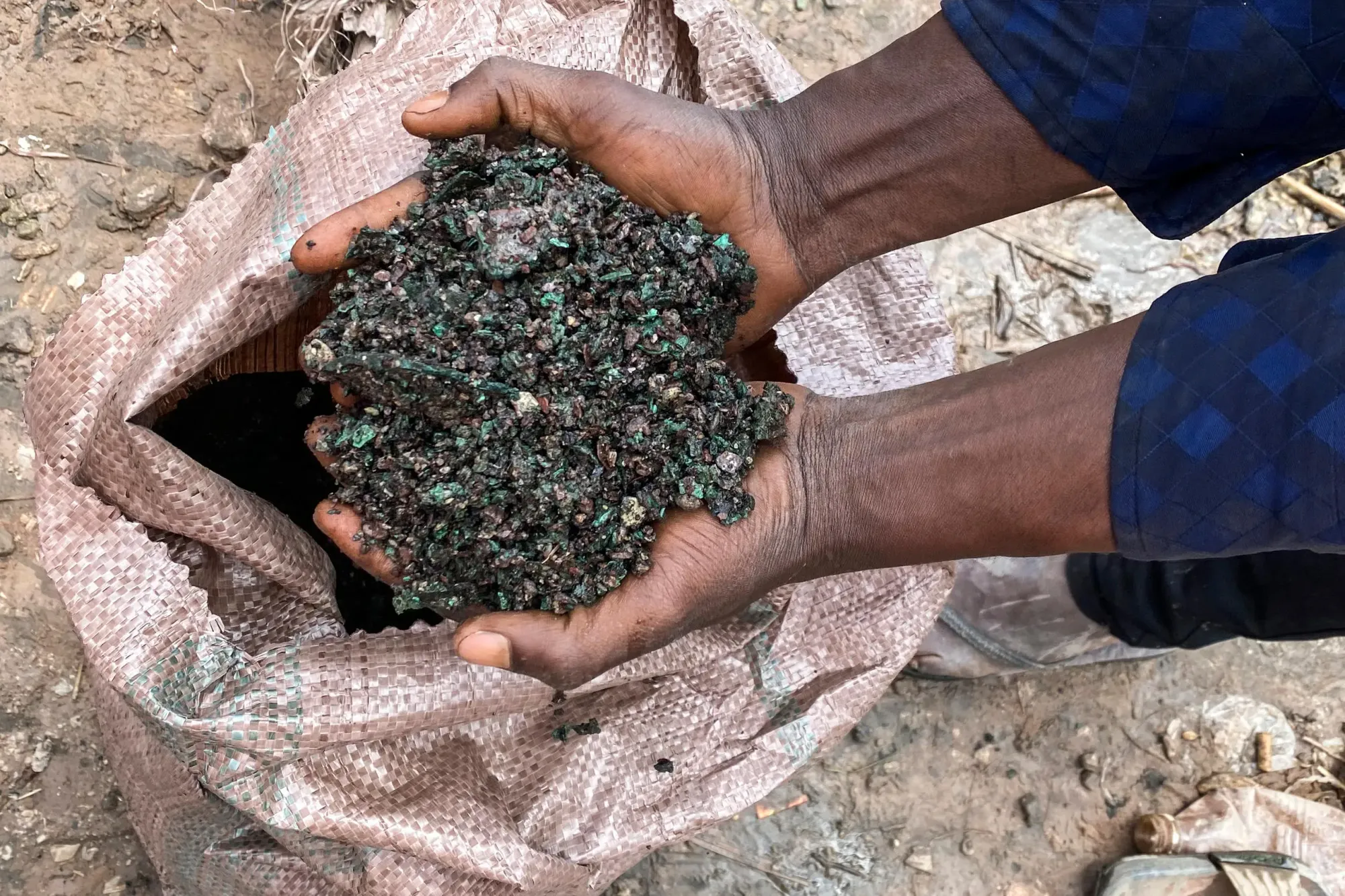
The cell phone is a daily mineral bomb: creating its lithium, cobalt, nickel, silica, copper, gold, silver, tantalum, aluminum, tin, and zinc guts requires over 60 raw materials. All need to be mined, refined, and manufactured intensively: mining alone directly involves about 47 million people (plus around 150 million indirectly), according to the Intergovernmental Forum on Mining, Minerals, Metals and Sustainable Development. Even worse: 80% of the carbon footprint of smartphones comes from this phase of mineral extraction to component manufacturing and assembly, details the United Nations Environment Programme (UNEP). There’s no intention to stop the problem. UNEP predicts that between 2020 and 2060, global resource extraction will increase by 60%.
The cell phone is a daily mineral bomb: creating its lithium, cobalt, nickel, silica, copper, gold, silver, tantalum, aluminum, tin, and zinc guts requires over 60 raw materials.
The environmental and human impact is tragic. The Internet, in its dominant capitalist form, is a downward spiral. In Digital Labour and Karl Marx, Christian Fuchs sheds light on the labor costs of digital media and the multiple forms of work that remain invisible to the user. From well-paid software engineers to "bloody, highly exploited Taylorist labor, and enslaved work in developing countries that produce hardware and extract 'conflict minerals'," all are victims of exploitation to increase the profit margins of large corporations.
I quote Fuchs because he puts it more forcefully than I could: "Digital media are connected to digital slavery. (...) They work under conditions of high exploitation and violence. If our digital media are based on the blood and death of enslaved workers, the question is what we can do about it." The old adage of Walter Benjamin is confirmed: "there is no document of culture that is not simultaneously a document of barbarism." There is no object that is not a testament to the scale of suffering, exploitation, and human oppression.
Fuchs discusses the crisis of suicides among hardware assemblers in Foxconn, the appalling exploitation of miners in the Democratic Republic of Congo, and the colonial outsourcing of software workers from India and the toxic environments of Silicon Valley. But the exploitation behind the apps, the operating system, the cables, the casing, the screen, the battery, the chips, the hard drives, the flash cards, the keyboards, and the cooling systems is revealed. I seek stories and testimonies from workers who sustain this massive supply chain. There is forced labor, child exploitation, passport confiscation, armed actor intervention, extreme precariousness, miserable wages, no union protection, smuggling, conditions that increase human trafficking and sexual exploitation. What can be said is that this is modern slavery.
Adding insult to injury: smartphones are highly disposable and lack durability. They are not produced to meet human needs in a lasting way: they are a product, and as such, the goal is to sell more of them. The wheel must keep turning. Planned obsolescence, constant updates, limited support, the fetishization of the new iPhone: all of these are the substrate of the ongoing need for renewal of these devices. Marx says in the Grundrisse: “There is no production without need. But consumption reproduces need.”
A vertical object born from human suffering and the earth is a dopamine bomb that impacts our brain biochemistry. The smartphone, for Byung-Chul Han, carries the definitive non-thing, a true “the medium is the message,” an instrument of domination that combines images and information, making the world “fully available and accessible at the moment it is consumable.” In No-Cosas, he dedicates a special essay to smartphones and how they chain us to voluntary slavery, anesthetizing our attention, destroying empathy, and burdening us with narcissism. I see an electronic pacifier, a virtual attachment object, an emotional insulator that lubricates our relationship with the world to eliminate all resistance, all boredom, all anxiety. The smartphone amputates the body so that only a scrolling finger remains.
However, alternatives to consumption are emerging. My friend Diego, a low-tech guru, shares information about the Fairphone, a European modular phone designed to be repaired at home using just a screwdriver and built with materials sourced from fair trade, recycled, or conflict-free zones. It’s a partial brake on a spiral that seems unstoppable. It’s an ethical and environmental solution at the hefty price of €549, a cost I can’t afford, even for my technical sovereignty.
Whatever the case, I’ve already started the morning off on the wrong foot.
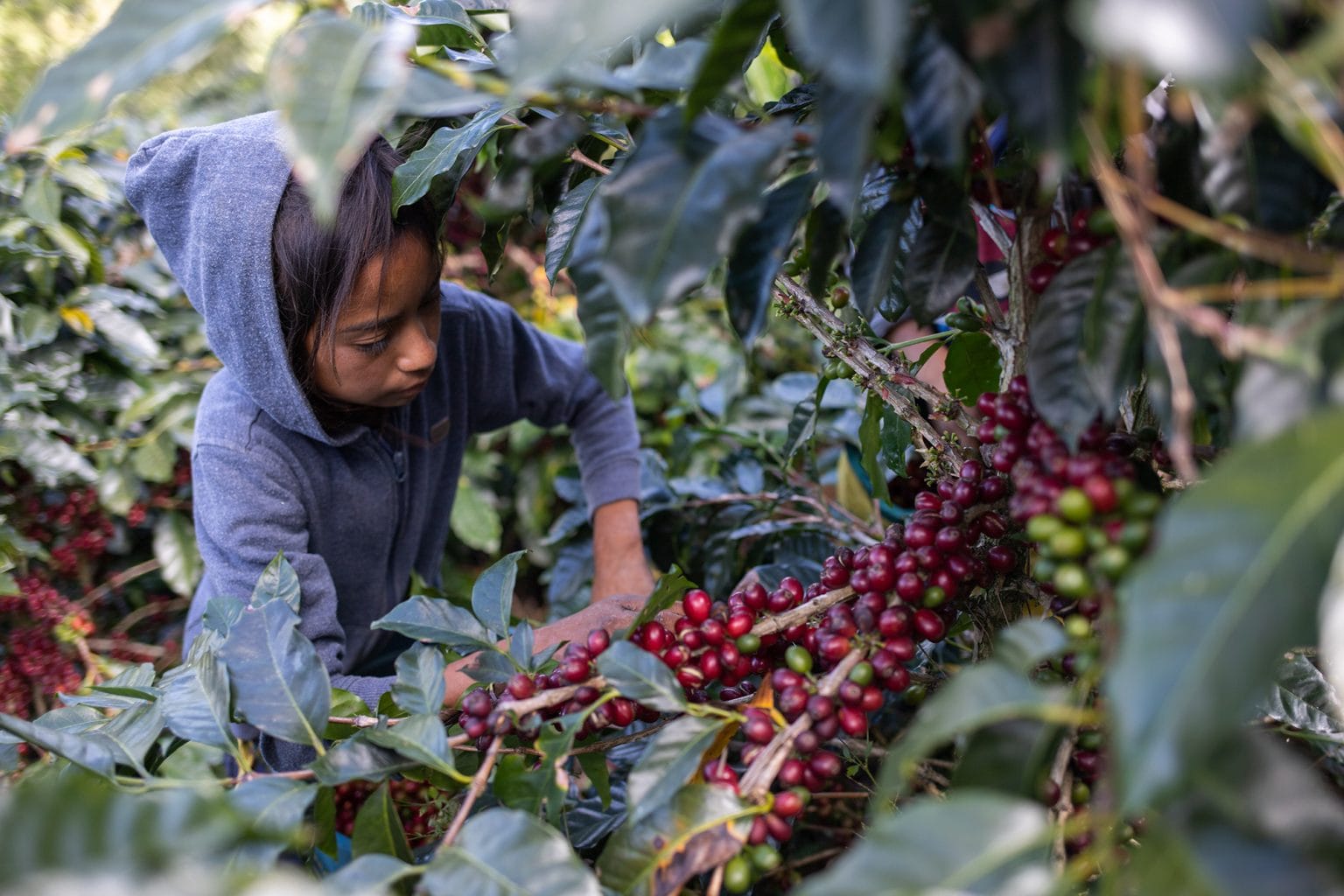
I grind coffee beans harvested in Colombia that I bought at my suburban Carrefour with a $7K discount, and yet they still cost around $30K: that’s about US$ 20 for half a kilo, and it’s my luxury expense for the day. According to Bloomberg, in 2025 a Colombian picker earned about US$ 0.25 per kilo of coffee cherries, collecting around 100 kilos daily according to the National Federation of Coffee Growers of Colombia. Yes: I squeeze US$ 40 per kilo from my meager salary while the picker gets 25 cents and barely makes the Colombian minimum wage. No one escapes this.
If we add the suffering of the Earth, the picture is even worse: according to an old study (from 2003) by the IHE Delft Institute for Water Education, about 140 liters of water are needed for the cultivation, production, and packaging required for a cup of coffee. The forecasts worsen: the A Brewing Storm report from the Climate Institute warns that rising global temperatures will halve the land suitable for coffee cultivation by 2050. Now I’m depressed.
At least, I resolve, coffee is a whole food with minimal processing. Very different are the vegan protein bar and rice cakes that I indulge in: a delicious and compact ultra-processed product that not only has its share of environmental and labor suffering in its production but also harms my own body with its dance of refined ingredients and chemical additives.
They are a mostly cheap alternative to their higher-quality protein counterparts, but they have a significant impact on my organs and my brain. A recent meta-analysis published in BMJ highlighted direct links between higher consumption of ultra-processed foods and an increased risk of deaths related to heart disease, type 2 diabetes, obesity, wheezing, anxiety, depression, and sleep problems. Another study published in Nutrients found a 44% higher risk of depression and a 48% higher risk of anxiety. No wonder I’m feeling down.
I have grown leaves, herbs, fruits, and vegetables: I sense the time it takes for their growth and the energy of the earth, water, and sun. I have seen my sister, a phenomenal gardener, kneeling for hours in the soil planting seeds, nurturing them, and harvesting them. The body of knowledge surrounding land practices has deep roots: it may be natural, but it is anything but easy. There is a tremendous nobility in witnessing the birth of food, eating the literal fruit of labor, and working the land by hand. All of this takes time and is fraught with unpredictability.
There is a tremendous nobility in witnessing the birth of food, eating the literal fruit of labor, and working the land by hand.
How different it is, in a second, to open a package and see a hegemony of caramel-flavored dietary supplements and eat it in another. While I chew, I read the ingredient list: “Pea protein concentrate, semi-bitter baking coating, chicory inulin, polydextrose, water, roasted almonds, isolated rice protein, isomaltulose, peanut paste, vegetable oil, salt, vitamin B6, stabilizer: glycerin, antioxidant: lecithin, flavorings: natural, coloring: caramel Y, preservatives: calcium propionate and potassium sorbate, sweetener: sucralose.”
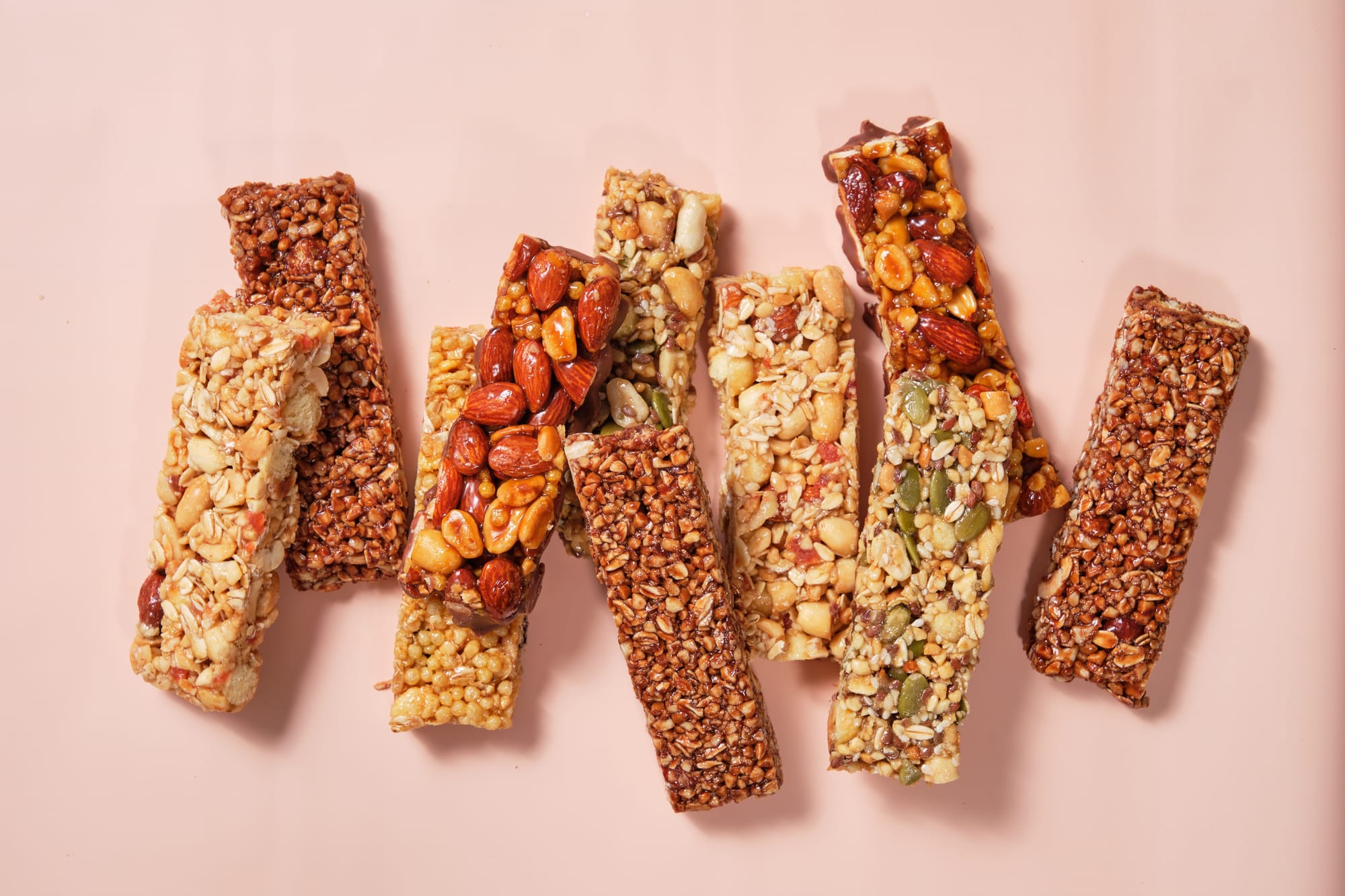
I break it apart with my fingers and can’t tell where an almond begins and an isolated rice protein ends. I didn’t have to cut, peel, wash, or interact with any ingredient: I just opened a package with my teeth. It’s an ultra-processed simulacrum wrapped in a package of questionable taste that will outlast my grandchildren. What a shock that food seems anything but food.
Fortunately, permaculture practices and family farming, along with organic and agroecological proposals, are becoming increasingly available. Today, it’s easier to find products with organic and agroecological seals backed by municipalities and provinces, laboratory analyses, Participatory Guarantee Systems (SPG), and field visits. Projects like El Click and the National Network of Municipalities and Communities Promoting Agroecology bring together the work of farmers and political, academic, technical, and scientific organizations to shift towards more sustainable practices for income and nutrients.
I drink my coffee in silence.
I sit in front of the PC and kick off the workday in my node of the International Division of Digital Labor: I am a worker in information and communication technologies who, by living in the Southern Cone, earns a fraction of what cloud workers in the US or Europe receive. Alienated, deeply alienated, I embody something similar to what Simone Weil narrates in the factory diaries of La Condición Obrera: “work is too mechanical to provide material for thought and yet prevents any other thought.”
 Luis Paz
There's something strange about working in an almost strictly virtual environment: hearing disembodied voices, phantoms on screens, interacting with an incorporeal world. Byung-Chul Han sums it up well in No-Things: “Being online is not synonymous with being connected. Today, the 'you' is replaced by an 'it.' Digital communication eliminates personal encounters, the face, the gaze, the physical presence. Thus, it accelerates the disappearance of the other. Ghosts inhabit the hell of the equal.” Perceiving reality through a digital window dilutes reality into information, unrealizing the world. It's incredibly odd.
Like in many other workspaces of the knowledge economy, we've been “invited” to work with artificial intelligence to inflate a bloated bubble of FOMO and financial speculation. I've become an evangelist against AI from a strictly human pulpit: the machine doesn't think; it regurgitates data, hallucinates facts, and spies on our behavior. Weak in imagination, allergic to metaphors, outsourcers of thought, users who extol its virtues amputate their critical capacity to produce more and more. I have a lot of distrust for the data it spits out. I distrust its purposes even more. If the medium is the message, what does AI turn us into?
There are still people debating whether LLMs have consciousness. I get the feeling that those who believe that have never taken the time to understand how one works.
— Fede Caccia (@fedeecaccia) May 12, 2025
The basics: LLMs don’t “understand” anything.
They adjust parameters to minimize a difference between two vectors… pic.twitter.com/6zFVMXXfBB
And above all, the machine relies on very human labor. As Hito Steyerl highlights in Hot Media: Images in the Age of Heat, generative artificial intelligence and its military-industrial logic are sustained by the digital and cognitive extractivism of a global network of hundreds of thousands of invisible and precarious workers. They are micro-workers: content moderators, data taggers, transcribers who inhabit conflict zones, exploited to train language models, detect traumatic content, and identify everyday objects. AI, whether generative or analytical, is not innocent; it also bolsters the shift towards technofascism, as Steyerl explains in this interview with Caja Negra. Among various topics, such as the thermodynamic paradigm, data entropy, and the impact of AI on art, Steyerl delves into how artistic uses of AI distract from the military implications of the technology and its role in the rise of fascism. Gaza and Ukraine are the undeniable proof.
Every Google search, every place I look up on Maps, every person I meet, every piece of content I interact with, every video I watch, every meme I laugh at, every word I write for this article is data recorded, evaluated, and stored. “The smartphone is not just an infomaton, but a very efficient informant that constantly monitors its user. Anyone who knows what happens within its algorithmic interior rightly feels pursued by it. It controls and programs us,” says my friend Byung-Chul.
Every video I watch, every meme I laugh at, every word I write for this article is data recorded, evaluated, and stored.
A lot has been written about the environmental costs of AI, and I don't intend to be original when I say that for Gemini or NanoBanana to remove the double chin from the latest photo of Javier Milei, data centers have to use massive amounts of water and electricity. According to a report published in the New Yorker, ChatGPT responds to about 200 million requests per day, consuming over half a million kilowatt-hours of electricity. According to a report by Brian Calvert citing the International Energy Agency (IEA), energy consumption associated with data centers, cryptocurrencies, and artificial intelligence could double by 2026, equivalent to Japan's electricity usage. The UN predicts that by 2030, the data centers powering artificial intelligence will consume 945 terawatt-hours of electricity (three times the annual combined consumption of Pakistan, Bangladesh, and Nigeria, countries with 650 million inhabitants). They would also consume more water than the 1.3 billion inhabitants of sub-Saharan Africa and occupy 14,500 square kilometers, double the metropolitan area of Jakarta.
As if that weren't enough, even my most modest interaction on the Internet chains my unpaid work to this distribution chain. Connecting, reading, writing, and inhabiting the digital ecosystem is prosumption work. Christian Fuchs sums it up well: “users consume existing information and create information, profiles, social relationships, and affections; and in that process, they create transaction data that is commodified by advertising companies like Facebook, Google, and Twitter, which sell that data as merchandise to advertisers offering targeted ads to users.”
Adding a little something to the theory of Technofeudalism by Yanis Varoufakis, Byung-Chul Han explains:
Platforms like Facebook or Google are the new feudal lords. Tirelessly, we cultivate their lands and produce valuable data, from which they then profit. We feel free, but we are completely exploited, surveilled, and controlled. In a system that exploits freedom, no resistance is created. Domination is consummated the moment it aligns with freedom.
And we love our captor: “We are too dependent on the digital drug, and we live dazed by the fever of communication, so there’s no ‘Enough!’, no voice of resistance.” We inhabit more A Brave New World than 1984: it’s a smart power that “doesn’t make us docile, but dependent and addicted,” sharing our opinions, affections, needs, and desires.
Above all, digitality threatens my learning: writing things down on paper is the only way I learned to study, cement concepts, and access my internal monologue. Few things are more beautiful than starting a new notebook (always bone-colored and dotted) with a black BIC (Crystal) and its marzipan scent. I take notes from my meetings and make a list of priorities for the day. Byung-Chul Han in No-Things quotes Heidegger and agrees with me: “Only ‘handwriting’ approaches the essential domain of the word. (...) Only the hand receives the gift of thought. (...) The hand does not count or calculate. It represents the uncountable, the incalculable, the ‘absolutely singular, which in its singularity is the only one and unifier before any number.’”
I’m a string of caligraphic atrocities, arcane scribbles, and medicinal cursive, but I love pressing the paper, sticking my nose against the ink, feeling my pen callus on my right middle finger, writing shopping lists, idea maps, notes to my husband. I like to think. Against random access memory and a language made of scraps, I build a paper resistance, a union of pens and ink, a vegetal trace of bad texts. But mine.
When was the last time you wrote by hand?
It’s my friend La Lu’s birthday. I sewed her a flared pair of pants and embroidered a patch that would look nice on a sweatshirt. While I could have ordered it from an ecommerce platform (whose owner is based in Uruguay to avoid taxes) and it would have arrived the same day, I prefer to clear my head and walk to the mall. A store eight blocks away sells clothes similar to Avellaneda at ridiculous prices. The sweater knitted in synthetic wool with black and white stripes costs me a whopping 18K, about the same as a medium Big Mac. Fast food and fast fashion intersect: immediate gratification, low cost, and unsustainable volumes.

The textile industry sucks up physical resources at an absurd rate. According to the UNEP, in 2023, "the fashion industry contributes 10% of global carbon emissions per year, more than the combined emissions of international flights and maritime shipping. If current trends continue, its greenhouse gas (GHG) emissions are expected to rise by over 60% by 2030." It makes sense: just the production of polyester, a petroleum-based fiber that takes 200 years to decompose, requires about 342 million barrels of oil each year. Dyeing it consumes around 43 million tons of chemicals, including highly polluting lead and chromium, annually. Making a t-shirt uses about 2,700 liters of water. All of this leads to, according to UNEP, 92 million tons of textile waste ending up in landfills each year.
In Stitched Up: The Anti-Capitalist Book of Fashion, Tansy E. Hoskins examines the exploitative practices of the fashion industry and the (very distorted) priorities of capital to shed light on the working conditions of laborers and the environmental costs. The book is about 10 years old and connects these two spheres with chilling precision:
The exploitation of the planet occurs due to the same imperatives that lead to the exploitation of people in sweatshops. Both stem from the alienation of nature (...). Losing sight of the fact that humans and the planet are completely intertwined is the starting point of our destruction.
Same, sister.
Hoskins highlights phenomena such as the desiccation of the Aral Sea in Uzbekistan, which was drained to irrigate 1.47 million hectares of cotton; she narrates how 2.5 billion tons of wastewater pollute 70% of rivers and lakes in China, creating “cancer villages”; she recounts how many crocodiles die to make a handbag in Australia, and details the collapse of Rana Plaza in 2013, in Bangladesh, where 1,134 people, mostly garment workers, lost their lives. Today, a survivor of the tragedy interviewed by El Español earns between 35 and 57 euros a month.
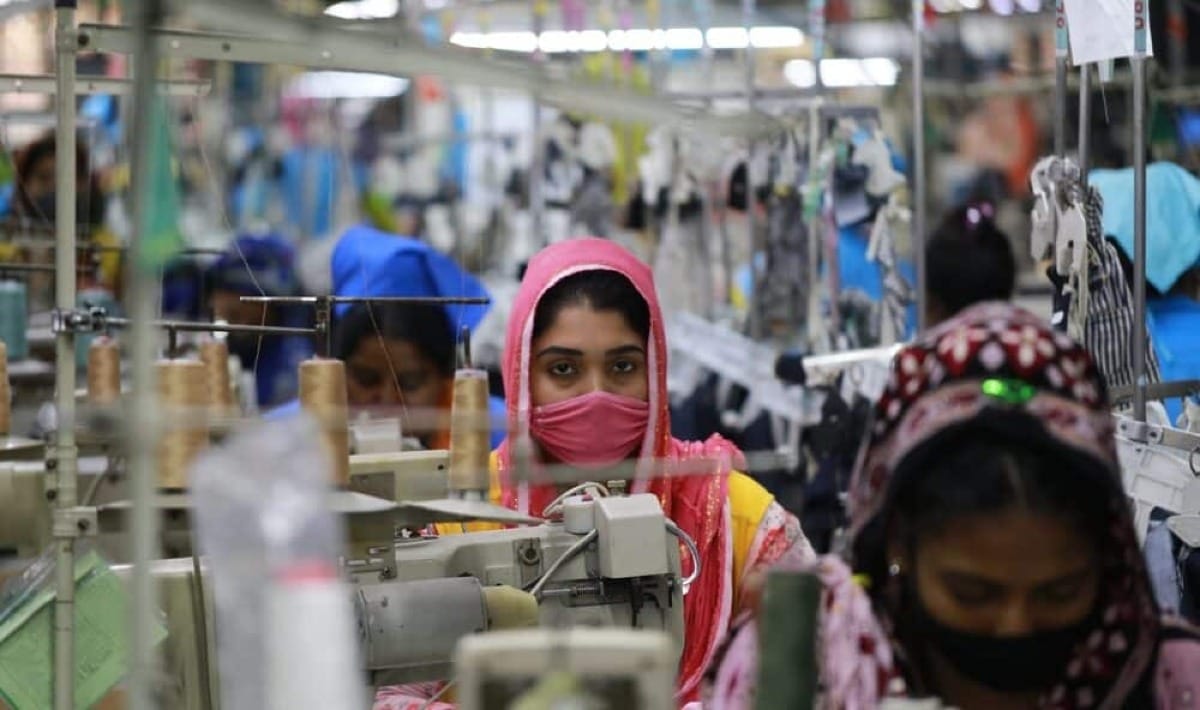
The factory conditions in sweatshops involve reduction to servitude, human trafficking, child labor, union repression, miserable wages, forced overtime, extreme minimum wages, and poor safety conditions. They primarily employ women between the ages of 18 and 35. This doesn’t just happen in Bangladesh, Vietnam, or Cambodia: it also occurs here, in Argentina. The human cost of fast fashion is exorbitant.
Part of me believes that the fashion industry is sustained by the substrate of social media and the 52 microtrends that can emerge in a year. Influencers abound, trafficking ideology with their Outfits of the Day or Get Ready With Me, an ode to overconsumption, emotional shopping, and digital convenience that far exceeds the basic need for warmth. In northern latitudes, the overconsumption core constitutes a thread of hauls to present a meticulously curated aesthetic, a symbol of status and wealth, a social proof of the influencer's superiority. Desire is planted on Instagram or TikTok, and the psychic combustion compels us to buy what we don’t need but want.
Desire is planted on Instagram or TikTok, and the psychic combustion compels us to buy what we don’t need but want.
I know I could knit the sweater: I really enjoy knitting and take my work to waiting rooms, friends' houses, public transport, and my couch. I always need to keep my hands busy. Byung-Chul Han quotes Roland Barthes and asserts that "the sense of touch is (...) 'the most demystifying (...), unlike sight, which is the most magical.' The beautiful in an emphatic sense is untouchable. It imposes distance. Before the sublime, we step back in reverence. In prayer, we join our hands. The sense of touch nullifies distance. It cannot astonish. It demystifies, desacralizes, and profanes what it touches." Everything that is touched is a claim to sovereignty.
Besides knitting, I enjoy embroidery and make my own clothes with my Gadnic sewing machine (yes, I’m aware of the contradiction). More than a quest for expressiveness and originality, it’s about recreating independence to meet my basic needs. From designing or selecting patterns (FreeSewing is the best) to knowing how to use a machine, it’s a constellation of knowledge anchored in a search that is as aesthetic as it is sovereign. This knowledge, even for our grandmothers, was part of everyday life. The book Material Literacy in 18th-Century Britain captures very well how widespread manual, tactile, and tacit knowledge was that supported fashion, tailoring, and textile production. From amateurs and consumers to expert professionals, the skills needed to sew, embroider, and work with textile arts were common across all genders and ages. The relationship between manufacturing and the final object was redefined when the Industrial Revolution transformed domestic production into large-scale mechanized industry. The gap between creator, product, and consumer has only widened since then.

I buy the sweater. Shaping, cutting, and sewing the pants took me about 5 hours. Making the hand-knitted sweater with flat needles could have taken me another 60 hours, a week of sewing for which I simply don’t have time, the only capital I truly possess. I could have bought one second-hand from thrift stores or from circular fashion shops, which are becoming more common. I could have chosen not to buy a garment at all. I could, but I didn’t do any of that. I sew on the patch I embroidered like a badge, as a voluntary torment, as an absurd ethical posturing.
After going to the gym to lift weights while listening to the radio, I sit down to knit booties for my friends' soon-to-arrive baby while tuning into another episode of Twin Peaks that I pirated. On the stove, a vegan lentil stew with organic soy bubbles. The bread I enjoy kneading at night rises quietly, a storm of chemical mysteries on the countertop.
There are many things I don’t know: I’m not a graduate in political science or philosophy, I’ve never worked in a factory, my training isn’t in production techniques, I don’t hold titles related to those fields of knowledge. In other words: I’m aware that I have no authority to raise various issues (not to mention this article). My only talent is to ask myself questions, feel ashamed of my ignorance, and ask myself even more questions. “Faire l’idiot,” Deleuze would say. Right now, the question is: is this way of life sustainable? Why? Do I want it for myself?
Paraphrasing Mark Fisher, it’s easier to imagine accepting climate collapse and the suffering of humans, animals, and the earth than to stop using the Internet, drinking coffee, or buying clothes. Material literacy is a consciousness that arises from objects and provides a physical anchor against the digital phantasmagoria, an invitation to reconnect manually with inhabiting the corporeal world. It’s also a critical stance that questions the dynamics between production and consumption.
Material literacy is a consciousness that arises from objects and provides a physical anchor against the digital phantasmagoria, an invitation to reconnect manually with inhabiting the corporeal world.
You don’t need to learn to knit (it would be nice if you did) or to never use Artificial Intelligence again (it would be nice if you did), but inhabiting the material world requires shaking off the anesthesia, reclaiming curiosity, forcing friction against immediacy, creating discomfort.
What can I say, living in the material world.
"In the course of digitalization, we have lost all awareness of materials. A new 'romanticization' of the world would have to presuppose its rematerialization," says Byung-Chul Han. And I think he’s right. If you’ve made it this far and are interested in the topic, here are six prompts that can guide you on this journey.
Y a cada colaborador se le paga por su trabajo. Las dos cosas dependen de los suscriptores.